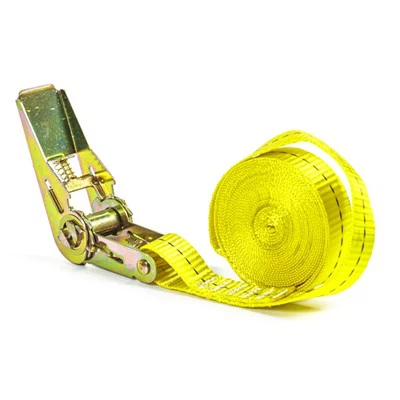
Hey there! As a supplier of high-quality ratchet straps, I've had my fair share of customers asking about how these straps perform in cold weather. It's a valid concern, especially if you're using these straps in regions with harsh winters or transporting goods during the colder months. So, let's dive right in and explore this topic.
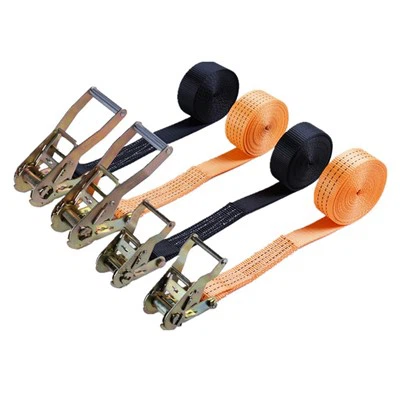
First off, let's talk about what makes a ratchet strap high quality. A top-notch ratchet strap is made from durable materials that can withstand a lot of wear and tear. The webbing is usually made from polyester, which is known for its strength, resistance to UV rays, and ability to handle heavy loads. The ratchet mechanism is also crucial. It should be made from high-quality metal, like steel, that can lock the strap securely and release it smoothly.
Now, when it comes to cold weather, there are a few factors that can affect how well a ratchet strap performs. One of the main issues is the flexibility of the webbing. In cold temperatures, the polyester webbing can become stiffer. This stiffness can make it a bit more challenging to thread the strap through the ratchet and tighten it properly. You might find that you have to apply a bit more force to get the strap to move through the mechanism.


But here's the good news. Our high-quality ratchet straps are designed to minimize this problem. We use a special type of polyester that has better cold-weather flexibility. Even in freezing temperatures, the webbing retains enough flexibility to be easily manipulated. So, you won't have to struggle as much to get your load secured.
Another aspect to consider is the ratchet mechanism itself. Cold weather can cause metal to contract slightly. If the ratchet isn't made from high-quality materials, this contraction could lead to issues with the locking and releasing functions. For example, the teeth on the ratchet might not engage as well, or the release lever might be harder to operate.
Our ratchet straps are built to handle these challenges. The ratchets are made from high-grade steel that is resistant to the effects of cold weather. The design of the ratchet mechanism is also optimized to ensure smooth operation even in low temperatures. You can trust that the ratchet will lock securely and release easily, no matter how cold it gets.
Let's take a look at some specific types of ratchet straps and how they perform in cold weather.
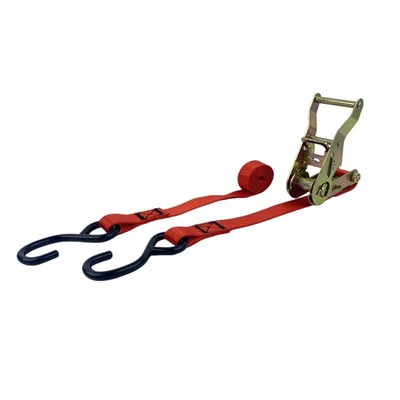
Marine Ratchet Straps are often used in cold, wet environments. These straps need to be extra durable because they're exposed to saltwater, which can be corrosive. In cold weather, the combination of saltwater and low temperatures can be tough on any strap. But our marine ratchet straps are up to the task. The webbing is treated to resist moisture and salt, and the ratchet is coated to prevent rust. So, you can use these straps to secure your boat or other marine equipment in cold, salty conditions without worrying about damage.
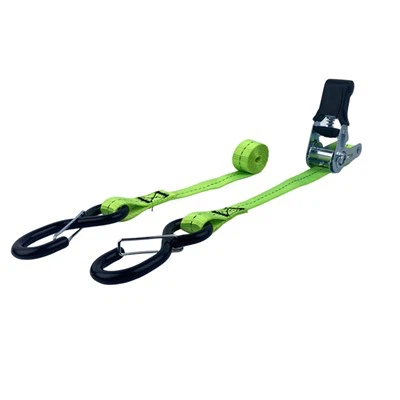
Motorcycle Cargo Straps are another popular type. When you're transporting a motorcycle in cold weather, you need straps that can hold the bike firmly in place. Our motorcycle cargo straps are designed with this in mind. The webbing has a high tensile strength to handle the weight of the motorcycle, and the ratchet ensures a tight and secure hold. Even if you're riding through snowy or icy conditions, you can be confident that your motorcycle will stay put.
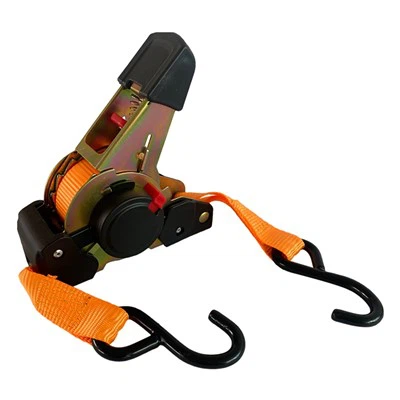
Retractable Ratchet Tie Downs are great for convenience. They allow you to quickly and easily secure your load. In cold weather, the retractable feature might seem like it could be a problem. But again, our high-quality design comes to the rescue. The retractable mechanism is built to work smoothly in cold temperatures. You can still retract and extend the strap with ease, making it a practical choice for cold-weather use.
In addition to the performance aspects, it's also important to think about the safety of using ratchet straps in cold weather. When the webbing is stiffer, there's a slightly higher risk of the strap fraying if it's not handled properly. That's why it's always a good idea to inspect your straps before each use, especially in cold conditions. Look for any signs of damage, like cuts or fraying, and replace the strap if necessary.
Also, make sure to clean your ratchet straps after use in cold and wet conditions. Salt, snow, and ice can leave behind residue that can damage the webbing and the ratchet over time. A simple rinse with fresh water and a gentle drying can go a long way in extending the life of your straps.
So, there you have it. Our high-quality ratchet straps are well-equipped to handle the challenges of cold weather. Whether you're using them for marine applications, motorcycle transport, or other cargo securing needs, you can rely on their performance.
If you're in the market for high-quality ratchet straps that can perform in cold weather, don't hesitate to reach out. We're here to help you find the right straps for your specific needs. Whether you have a small load or a large one, we have a solution for you. Let's get your cargo secured safely and efficiently, no matter the temperature outside.
References
- General knowledge about ratchet strap materials and cold-weather effects.
- In-house product testing data on the performance of our high-quality ratchet straps in cold weather.