As a supplier of rope tie down straps, ensuring that these straps are evenly tensioned is crucial for the safety and stability of the load being secured. In this blog post, I will share some practical methods and considerations based on my experience in the industry to help you achieve even tension in rope tie down straps.
Understanding the Importance of Even Tension
Before delving into the methods of achieving even tension, it's essential to understand why it matters. Unevenly tensioned straps can lead to a variety of problems. For instance, if one strap is significantly tighter than the others, it may bear more weight than it's designed to handle, increasing the risk of breakage. On the other hand, a loose strap may not provide sufficient restraint, allowing the load to shift during transit. This can cause damage to the load, the vehicle, or even pose a safety hazard to other road users.
Pre - Inspection and Selection of Straps
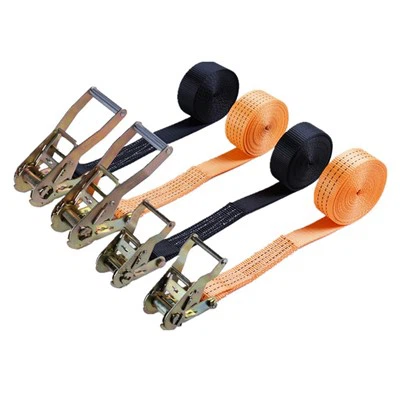
The first step in ensuring even tension is to start with high - quality straps. Our High Quality Ratchet Straps are designed to meet strict industry standards, providing reliable performance. Before using the straps, conduct a thorough inspection. Check for any signs of wear, such as fraying, cuts, or weakened areas. A damaged strap may not be able to hold the tension evenly or may break under stress.
Also, make sure to select the appropriate length and width of the straps for the load. Using straps that are too short or too narrow may not distribute the tension properly. For example, if you're securing a large, heavy load, wider straps can help spread the force more evenly.
Proper Placement of Straps
The way you place the rope tie down straps is crucial for achieving even tension. First, identify the attachment points on the load and the vehicle. These points should be strong and stable enough to withstand the tension. When placing the straps, try to position them symmetrically around the load. For example, if you're using four straps to secure a rectangular load, place two on each side at equal distances from the center.
This symmetrical placement helps distribute the weight of the load evenly among the straps. Additionally, ensure that the straps are routed in a straight line as much as possible. Avoid sharp bends or kinks, as these can cause uneven stress distribution and reduce the effectiveness of the tension.
Using the Right Tools
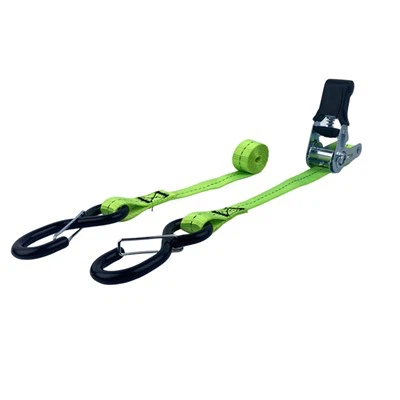
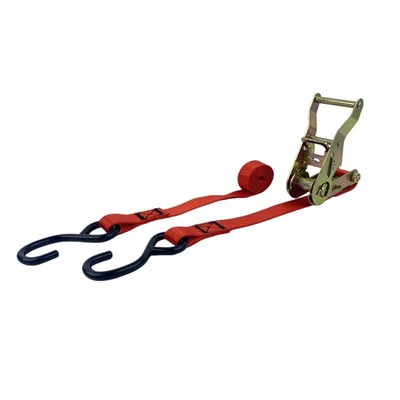
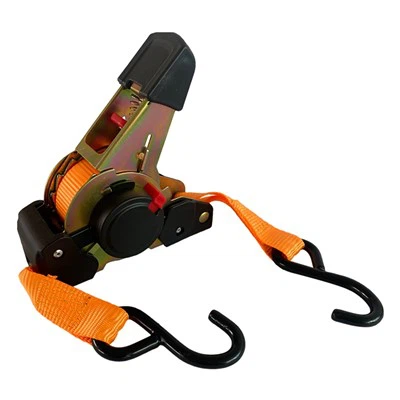
To achieve even tension, using the right tools is essential. Ratchet straps are a popular choice as they allow for easy adjustment of tension. Our Professional Ratchet Straps come with smooth - operating ratchets that make it easier to apply and maintain the desired tension.

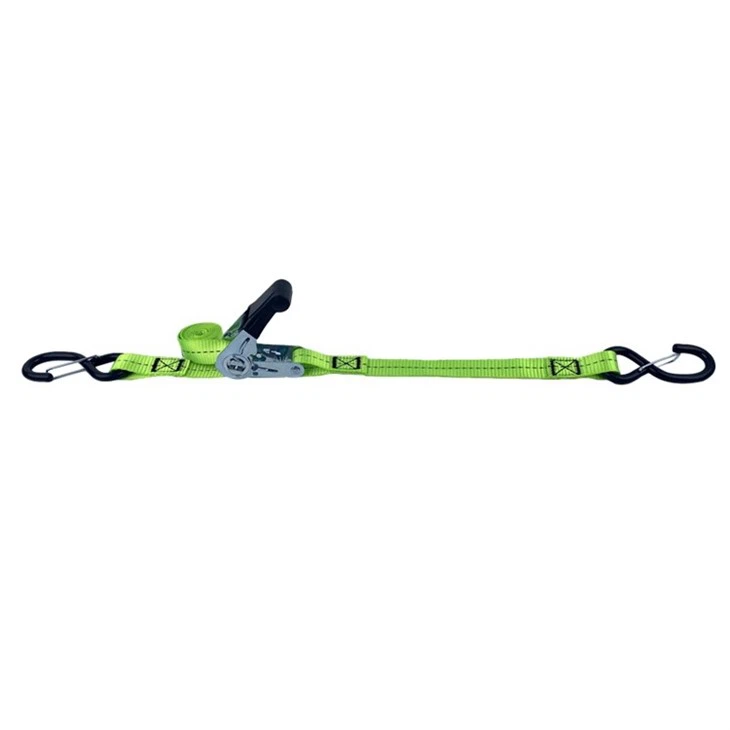
When tightening the ratchet straps, use a consistent method. Start by tightening all the straps slightly, then go back and gradually increase the tension on each strap in a systematic way. For example, you can start with one side and work your way around the load, tightening each strap a little bit at a time. This helps prevent over - tightening one strap while leaving others loose.
Measuring Tension
To ensure that the tension is truly even, it can be helpful to measure the tension in each strap. There are tension - measuring devices available on the market that can provide an accurate reading of the force applied to the strap. By using these devices, you can compare the tension in each strap and make adjustments as needed.
When measuring the tension, take multiple readings at different points along the strap. This can help identify any areas where the tension may be uneven. If you find that one strap has significantly more or less tension than the others, adjust the ratchet accordingly until the tension is balanced.
Working in Teams
If possible, work with a partner when tensioning the straps. One person can operate the ratchet while the other observes the load and the straps. This allows for better communication and ensures that the tension is being applied evenly. The observer can also check for any signs of movement or shifting of the load, which may indicate uneven tension.
Regular Checks During Transit
Even after you've achieved what you think is even tension, it's important to perform regular checks during transit. Vibration, road conditions, and changes in speed can all affect the tension in the straps. Make stops at regular intervals to inspect the straps and the load. If you notice that the tension has changed or that the load has shifted, readjust the straps immediately.
Training and Experience
Proper training is essential for anyone involved in using rope tie down straps. Our company offers training resources to help users understand the correct procedures for tensioning the straps. With experience, you'll become more proficient at achieving even tension. Over time, you'll be able to quickly identify potential problems and make the necessary adjustments.
Conclusion
Ensuring that rope tie down straps are evenly tensioned is a multi - step process that requires careful attention to detail. From selecting high - quality straps to proper placement, using the right tools, and regular checks, every step plays a crucial role. By following these guidelines, you can enhance the safety and stability of your loads during transit.
If you're interested in purchasing our Straps and Tie Downs or have any questions about achieving even tension in rope tie down straps, feel free to contact us for a detailed discussion. We're committed to providing you with the best products and solutions for your load - securing needs.
References
- Industry Standards for Rope Tie Down Straps, [Publisher], [Year]
- Best Practices in Load Securement, [Author], [Year]
- Ratchet Strap Operating Manuals, [Manufacturer], [Year]