As a supplier of Straps and Tie Downs, ensuring that straps and tie - downs are evenly tightened is crucial for the safety and security of cargo during transportation. In this blog, I'll share some practical methods and considerations to achieve this goal.
Understanding the Importance of Even Tightening
Before delving into the methods, it's essential to understand why even tightening matters. Unevenly tightened straps can lead to an imbalance in the force distribution on the cargo. This imbalance may cause the cargo to shift during transit, which not only risks damage to the goods but also poses a significant safety hazard on the road. For example, if one side of a large piece of machinery is secured more tightly than the other, the weight may be unevenly distributed, potentially causing the vehicle to become unstable.
Pre - Inspection and Preparation
The first step in ensuring even tightening is a thorough pre - inspection of the straps and tie - downs. Check for any signs of wear, damage, or fraying. Damaged straps may not be able to hold the load properly, and using them can lead to uneven tightening and potential failure. Make sure all hooks, buckles, and ratchets are in good working condition.
Next, measure the length of the straps needed for the specific cargo. This helps in selecting the appropriate straps and ensures that there is no excess or shortage of strap length, which can affect the tightening process. For instance, if a strap is too long, it may be difficult to achieve the right tension, and if it's too short, it may not be able to secure the cargo effectively.
Using the Right Tools
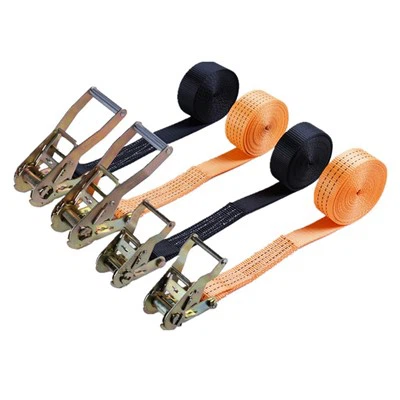
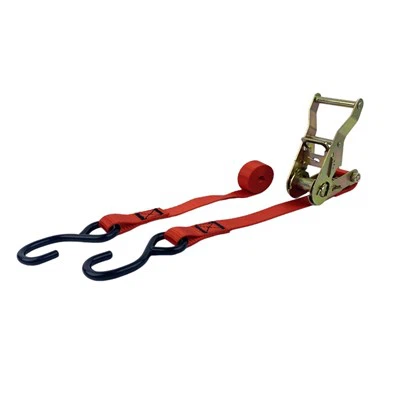
Using the correct tools is vital for even tightening. Ratchet straps are a popular choice as they allow for precise adjustment of tension. When using a ratchet strap, start by threading the strap through the ratchet mechanism correctly. Make sure the strap is flat and not twisted, as a twisted strap can prevent even tension distribution.
For larger or irregularly shaped cargo, multiple straps may be required. In such cases, using a load - leveling device can be beneficial. These devices help in distributing the load evenly across multiple straps, ensuring that each strap bears an appropriate amount of weight.


Step - by - Step Tightening Process
- Initial Placement: Place the straps around the cargo in the appropriate positions. For rectangular - shaped cargo, it's generally recommended to place the straps at the corners or along the edges to provide maximum stability. Make sure the hooks are securely attached to the cargo and the vehicle's anchor points.
- Initial Tightening: Begin by tightening all the straps slightly. This helps in positioning the cargo correctly and getting a general idea of the tension needed. Do not over - tighten at this stage, as it may be difficult to make adjustments later.
- Sequential Tightening: Use a sequential tightening method. Start with one strap and tighten it to a moderate level. Then move to the next strap and repeat the process. This ensures that the tension is gradually built up evenly across all the straps. For example, if you have four straps securing a pallet of goods, tighten one strap, then the strap opposite to it, followed by the remaining two straps.
- Checking Tension: After each round of tightening, check the tension of all the straps. You can use a tension gauge to measure the force applied to the straps. This helps in ensuring that all the straps have similar tension levels. If one strap has significantly more or less tension than the others, make the necessary adjustments.
- Final Tightening: Once all the straps have similar tension levels, perform a final tightening to reach the desired tension for the cargo. Be careful not to over - tighten, as this can damage the straps or the cargo.
Special Considerations for Different Types of Straps
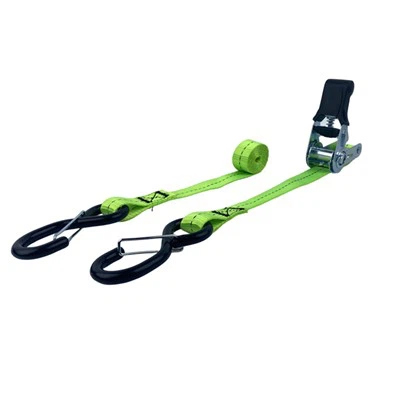
- Lashing Straps with Hooks: These straps are commonly used for securing various types of cargo. When using lashing straps with hooks, make sure the hooks are the right size and shape for the cargo and the anchor points. The hooks should be able to grip firmly without slipping. Also, ensure that the strap is threaded through the hook correctly to prevent any loosening during transit.
- Tractor Tie Down Straps: Tractors are large and heavy pieces of equipment, so the tie - down straps need to be strong and reliable. When securing a tractor, use multiple straps to distribute the weight evenly. Place the straps at strategic points on the tractor, such as the axles and the frame. Make sure the straps are long enough to reach the anchor points on the trailer or truck without being too loose.
- Retractable Ratchet Tie Down: Retractable ratchet tie - downs offer convenience and ease of use. They are ideal for smaller cargo or for situations where quick and easy securing is required. When using a retractable ratchet tie - down, ensure that the retractable mechanism is working properly. Pull out the strap to the desired length and tighten it using the ratchet. Check for any signs of the strap retracting too much or not staying in place.
Regular Checks During Transit
Even after ensuring proper tightening at the start, it's important to conduct regular checks during transit. Vibrations, changes in road conditions, and temperature variations can all affect the tension of the straps. Stop at regular intervals to inspect the straps and the cargo. If you notice any signs of loosening, re - tighten the straps immediately.
Conclusion
Ensuring that straps and tie - downs are evenly tightened is a multi - step process that requires careful planning, the use of the right tools, and regular checks. By following the methods and considerations outlined in this blog, you can enhance the safety and security of your cargo during transportation.
As a supplier of Straps and Tie Downs, we are committed to providing high - quality products that meet your needs. If you have any questions about our products or need assistance in selecting the right straps for your cargo, we encourage you to contact us for a procurement discussion. Our team of experts is ready to help you find the best solutions for your cargo - securing requirements.
References
- Transportation Safety Administration Guidelines on Cargo Securement
- Industry Standards for Straps and Tie - Downs Manufacturing