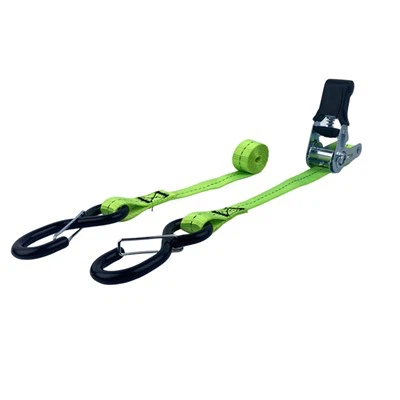
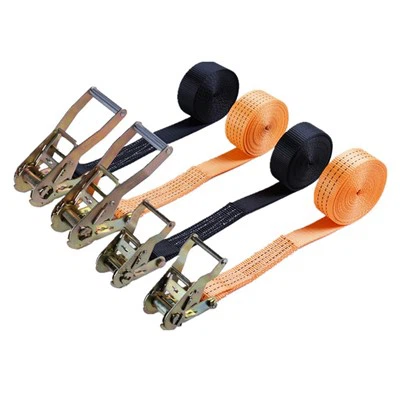
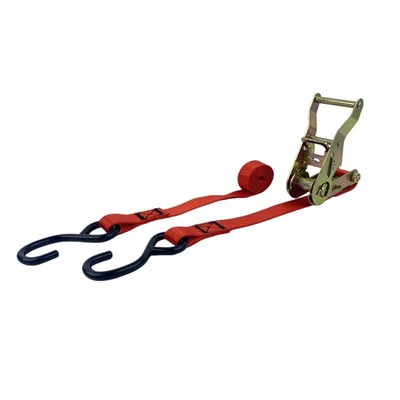
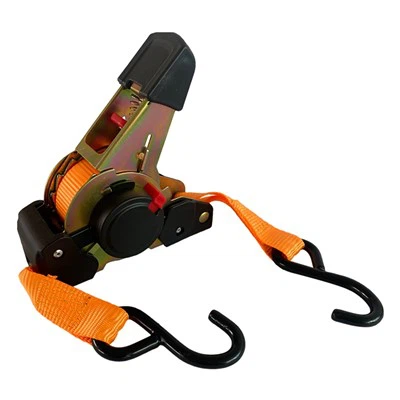
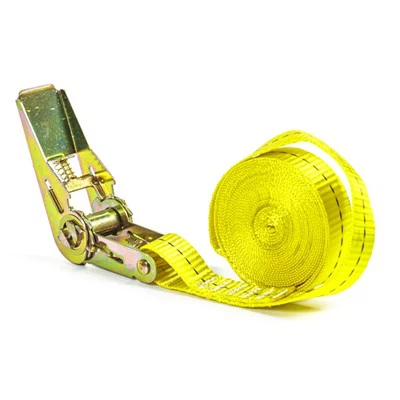
As a supplier of 1000 Lb Ratchet Straps, I often encounter customers who face the issue of damaged ratchet straps. In this blog, I'll share some practical steps on how to repair a damaged 1000 Lb Ratchet Strap, which can save you both time and money.
Identifying the Damage
The first step in repairing a 1000 Lb Ratchet Strap is to accurately identify the damage. There are several common types of damage that you might come across.
Wear and Tear on the Webbing
The webbing of the ratchet strap is often subject to friction, abrasion, and UV exposure. Over time, these factors can cause the webbing to fray, thin out, or develop holes. Inspect the entire length of the webbing carefully, paying close attention to areas near the hooks and the ratchet mechanism, as these are usually the most stressed parts.
Hook Damage
The hooks on the ratchet strap can also get damaged. They might become bent, cracked, or have their edges worn down. A damaged hook can compromise the security of the strap, so it's crucial to check them thoroughly. If a hook is bent, it may not hold the load properly, and a cracked hook could break under stress.
Ratchet Mechanism Issues
The ratchet mechanism is the heart of the ratchet strap, and it can experience several problems. The pawl, which engages with the ratchet wheel to hold the tension, might get stuck or worn out. The ratchet wheel itself could have teeth that are chipped or worn, preventing it from functioning correctly. You may also find that the handle is loose or broken, making it difficult to tighten or loosen the strap.
Repairing the Webbing
Once you've identified the damage to the webbing, there are a few ways to repair it.
Patching Small Holes and Tears
For small holes and tears in the webbing, you can use a heavy - duty fabric patch. First, clean the area around the hole or tear to ensure good adhesion. Cut a patch from a similar type of heavy - duty fabric, making sure it's large enough to cover the damaged area with a margin of at least an inch on all sides. Apply a strong fabric adhesive to the back of the patch and carefully press it onto the damaged area. Use a roller or a flat object to smooth out any air bubbles and ensure a good bond. Let the adhesive dry completely according to the manufacturer's instructions.
Replacing Severely Damaged Webbing
If the webbing is severely frayed, has large tears, or is otherwise beyond repair, you'll need to replace it. Start by removing the old webbing from the ratchet mechanism and the hooks. You can do this by carefully cutting any stitching or fasteners that hold the webbing in place. Then, measure the length of the old webbing and cut a new piece of 1000 Lb rated webbing to the same length. Thread the new webbing through the ratchet mechanism and attach it to the hooks using the appropriate stitching or fasteners. Make sure the stitching is strong and secure to prevent the webbing from coming loose.
Fixing Hook Damage
When it comes to hook damage, the approach depends on the severity of the problem.
Straightening Bent Hooks
If a hook is only slightly bent, you can try to straighten it. Use a pair of pliers or a vice to hold the hook firmly. Then, gently apply pressure to bend the hook back into its original shape. Be careful not to over - bend the hook, as this can weaken the metal. After straightening, check the hook for any signs of cracking or stress. If you're unsure about the integrity of the hook after straightening, it's best to replace it.


Replacing Damaged Hooks
For hooks that are cracked, have severely worn edges, or cannot be straightened, replacement is the best option. You can purchase replacement hooks from a hardware store or directly from a 1000 Lb Ratchet Straps supplier. Remove the old hook by cutting or unfastening it from the webbing. Then, attach the new hook using the same method as when you replaced the webbing. Make sure the new hook is securely attached and that it's rated for 1000 Lbs of tension.
Repairing the Ratchet Mechanism
Repairing the ratchet mechanism requires a bit more technical knowledge, but it's still doable.
Cleaning and Lubricating
If the ratchet mechanism is not working smoothly, it may just need to be cleaned and lubricated. First, disassemble the ratchet mechanism as much as possible. Use a brush to remove any dirt, debris, or rust from the parts. You can use a degreaser to clean stubborn grime. After cleaning, dry the parts thoroughly. Then, apply a high - quality lubricant, such as a silicone - based lubricant, to the moving parts. Reassemble the ratchet mechanism and test it to see if it functions properly.
Replacing Worn Parts
If the pawl, ratchet wheel, or handle is worn or damaged, you'll need to replace these parts. You can usually find replacement parts from the manufacturer of the ratchet strap or from a specialized hardware store. Follow the manufacturer's instructions to disassemble the ratchet mechanism and replace the worn parts. Make sure to install the new parts correctly, as improper installation can lead to further problems.
Preventive Maintenance
To avoid having to repair your 1000 Lb Ratchet Straps frequently, it's important to practice preventive maintenance.
Regular Inspections
Inspect your ratchet straps regularly, especially before and after each use. Look for any signs of wear, damage, or malfunction. By catching problems early, you can prevent them from becoming more serious and potentially dangerous.
Proper Storage
Store your ratchet straps in a cool, dry place away from direct sunlight and sharp objects. Sunlight can cause the webbing to deteriorate over time, and sharp objects can cut or damage the straps. You can also coil the straps neatly and use a strap hanger or a storage container to keep them organized.
Correct Usage
Use the ratchet straps correctly according to their rated capacity. Overloading a strap can cause premature wear and damage. Also, make sure to use the straps in the correct way, such as not twisting the webbing and ensuring that the hooks are properly attached to the load.
Conclusion
Repairing a damaged 1000 Lb Ratchet Strap is a skill that can save you money and keep your equipment in good working condition. By following the steps outlined above, you can identify and fix common problems with the webbing, hooks, and ratchet mechanism. Remember, if you're ever unsure about the safety or integrity of a repaired strap, it's best to replace it.
As a supplier of 1000 Lb Ratchet Straps, we offer a wide range of high - quality products, including Truck Ratchet Tie Down Straps and Automotive Tie Down Straps. If you're in the market for new ratchet straps or need advice on repairs, feel free to contact us for procurement and further discussions.
References
- "Ratchet Straps: A Guide to Selection, Use, and Maintenance" - Industry Publication
- Manufacturer's Manuals for 1000 Lb Ratchet Straps