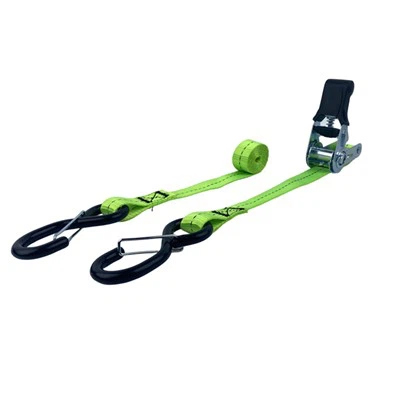
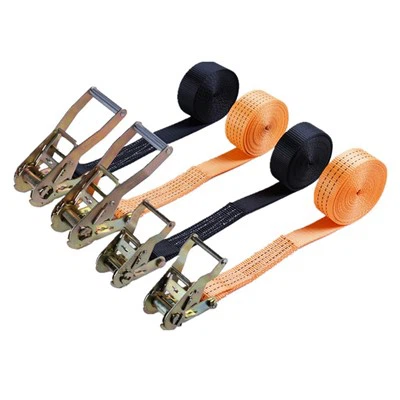
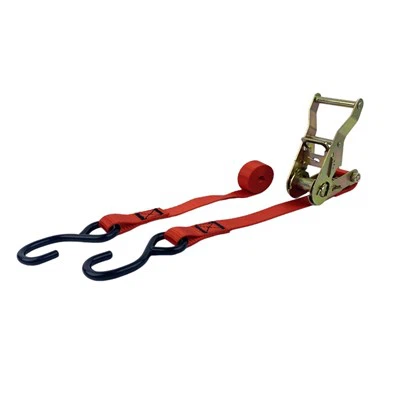
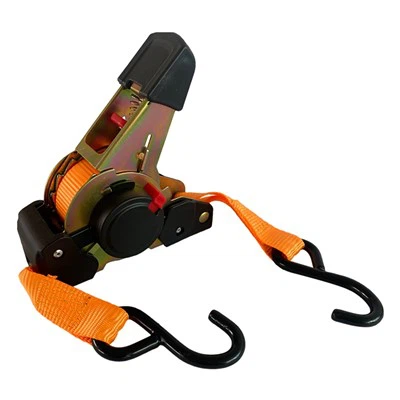
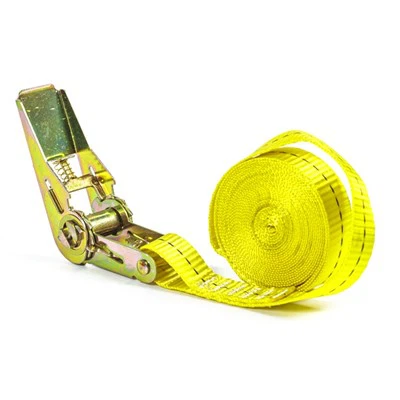
Hey there! As a supplier of Lashing Straps with Hooks, I get asked a lot about how to make sure the hooks on lashing straps are properly attached. It's a crucial question because a poorly attached hook can lead to all sorts of problems, from your cargo shifting during transport to even more serious safety hazards. So, let's dive right into it and talk about the steps you can take to ensure those hooks are on there nice and tight.
First off, let's understand the importance of proper hook attachment. When you're using lashing straps, whether it's for securing a piece of furniture in the back of a truck or tying down a motorcycle on a trailer, the hooks are the first line of defense. They're what keep the strap connected to your cargo and the anchor point. If they're not attached correctly, the whole system can fail, and that's a risk no one wants to take.
Inspect the Hooks and Straps Before Use
Before you even start attaching the hooks, you need to give them and the straps a good once-over. Look for any signs of damage, like cracks, bends, or rust on the hooks. A damaged hook might not hold up under the pressure, so it's better to replace it right away. Also, check the straps for fraying, cuts, or any other signs of wear and tear. You can find a variety of high - quality lashing straps on our website, including Automotive Tie Down Straps, Rope Tie Down Straps, and Motorcycle Cargo Straps.
Choose the Right Hook for the Job
There are different types of hooks available, and each is designed for a specific purpose. For example, J - hooks are great for securing to flat surfaces or rails, while S - hooks are more versatile and can be used in a variety of situations. Grab - hooks are ideal for quickly attaching to cargo with loops or holes. Make sure you pick the right hook based on your cargo and the anchor point. Using the wrong hook can lead to a loose attachment, so take the time to choose wisely.


Select the Appropriate Anchor Point
The anchor point is where you'll be attaching the hook, and it needs to be strong and stable. It could be a D - ring on a trailer, a floor tie - down in a truck, or a sturdy part of your cargo itself. Avoid using weak or flimsy anchor points, as they won't be able to hold the weight and tension of the strap. Also, make sure the anchor point is clean and free of debris, as dirt or grease can reduce the grip of the hook.
Attach the Hook Correctly
Now, let's get to the actual attachment process. When you're attaching the hook to the anchor point, make sure it's fully engaged. For example, if you're using a J - hook, slide it over the rail or bar until it's firmly in place. With an S - hook, open it up and place it around the anchor point, then close it tightly. The hook should fit snugly and not be able to move around easily.
Check the Orientation of the Hook
The orientation of the hook matters a lot. You want the hook to be facing in the right direction so that it can handle the tension of the strap properly. For example, if you're pulling the strap in a certain direction, the hook should be oriented in a way that it won't come loose under that tension. A hook that's facing the wrong way might pop off easily, so double - check this before you start tightening the strap.
Tighten the Strap
Once the hook is attached, it's time to tighten the strap. Use a ratchet or a buckle to apply tension to the strap. You want to make it tight enough so that the cargo is secure, but not so tight that it damages the cargo or the strap. As you're tightening, keep an eye on the hook to make sure it stays in place. If you notice the hook starting to move or come loose, stop and readjust it.
Do a Final Check
After you've tightened the strap, do a final check. Give the cargo a little shake (if it's safe to do so) and see if the hook holds up. Check the tension of the strap and make sure it's still tight. Also, look at the hook and the anchor point to make sure there are no signs of stress or movement. If everything looks good, you're good to go!
Regular Maintenance
Even after you've properly attached the hooks and secured your cargo, it's important to do regular maintenance. Check the hooks and straps before each use, and clean them if they get dirty or wet. This will help extend their lifespan and ensure that they continue to work effectively.
In conclusion, making sure the hooks on lashing straps are properly attached is all about taking the time to do it right. By following these steps, you can ensure the safety and security of your cargo during transport. If you have any questions or need more information about our Lashing Straps with Hooks, don't hesitate to reach out. We're here to help you find the best solutions for your cargo - securing needs. Whether you're in the automotive industry, transporting motorcycles, or just need to secure some household items, we've got the right products for you. So, if you're interested in purchasing our high - quality lashing straps, feel free to contact us for a quote and start a procurement discussion.
References
- General knowledge of cargo securing and lashing strap usage.
- Experience as a supplier of Lashing Straps with Hooks.