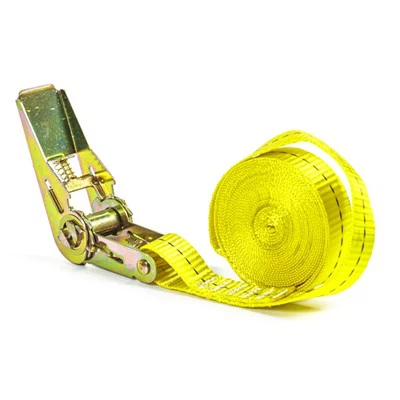
As a supplier of Cargo Buckle Ratchet Straps, I often encounter customers who are curious about how to measure the strength of these essential tools. Understanding the strength of cargo buckle ratchet straps is crucial for ensuring the safety and security of your cargo during transportation. In this blog post, I will share some key methods and considerations for measuring the strength of these straps.


Understanding the Key Strength Metrics
Before delving into the measurement methods, it's important to understand the key strength metrics associated with cargo buckle ratchet straps. The two primary metrics are Working Load Limit (WLL) and Breaking Strength.
The Working Load Limit (WLL) is the maximum load that a strap is designed to safely handle under normal working conditions. It is typically a fraction of the strap's breaking strength, usually around one-third. This safety factor accounts for variables such as shock loading, abrasion, and environmental conditions.
The Breaking Strength, on the other hand, is the minimum load at which the strap is expected to break. This is a theoretical value determined through laboratory testing. However, it's important to note that in real-world applications, the actual breaking strength may be affected by factors such as wear and tear, improper use, and exposure to harsh environments.
Measuring the Working Load Limit (WLL)
The WLL of a cargo buckle ratchet strap is usually marked on the strap itself. This marking is a result of rigorous testing conducted by the manufacturer to ensure compliance with industry standards. When purchasing ratchet straps, it's essential to choose ones with a WLL that meets or exceeds the weight of your cargo.
To determine the appropriate WLL for your needs, you need to consider the weight of the cargo, the type of transportation, and the potential forces that the strap will be subjected to during transit. For example, if you're transporting heavy machinery, you'll need straps with a higher WLL compared to transporting lighter items like furniture.
Measuring the Breaking Strength
Measuring the breaking strength of a cargo buckle ratchet strap is a more complex process that typically requires specialized equipment and should be conducted in a controlled laboratory environment. However, as a supplier, I can provide some insights into the general testing methods used by manufacturers.
One common method is the tensile test, which involves applying a gradually increasing load to the strap until it breaks. During the test, the force applied to the strap is measured using a load cell, and the results are recorded to determine the breaking strength.
It's important to note that the breaking strength of a strap can be affected by various factors, including the material of the strap, the construction method, and the quality of the buckle and ratchet mechanism. For example, straps made from high-strength polyester webbing are generally stronger than those made from nylon.
Factors Affecting the Strength of Cargo Buckle Ratchet Straps
In addition to the material and construction, there are several other factors that can affect the strength of cargo buckle ratchet straps. These include:
- Abrasion: Continuous rubbing against rough surfaces can weaken the strap over time, reducing its strength and increasing the risk of failure. To prevent abrasion, it's important to use protective sleeves or padding when securing the strap to the cargo.
- UV Exposure: Prolonged exposure to sunlight can cause the material of the strap to degrade, reducing its strength and durability. To minimize the effects of UV exposure, it's recommended to store the straps in a cool, dry place when not in use.
- Temperature: Extreme temperatures can also affect the strength of the strap. For example, cold temperatures can make the material more brittle, while high temperatures can cause it to stretch and lose its elasticity. When using ratchet straps in extreme temperatures, it's important to choose ones that are specifically designed for these conditions.
- Improper Use: Using the strap incorrectly, such as overloading it or using it with damaged components, can significantly reduce its strength and increase the risk of failure. It's important to follow the manufacturer's instructions and guidelines when using ratchet straps to ensure their safe and effective use.
Choosing the Right Cargo Buckle Ratchet Straps
When choosing cargo buckle ratchet straps, it's important to consider the specific needs of your application. Here are some key factors to keep in mind:
- Working Load Limit (WLL): As mentioned earlier, the WLL of the strap should meet or exceed the weight of your cargo. Make sure to choose straps with a WLL that is appropriate for your specific application.
- Material: The material of the strap plays a crucial role in its strength and durability. Polyester webbing is a popular choice for cargo straps due to its high strength, abrasion resistance, and UV resistance. Nylon webbing is also a good option, but it is more prone to stretching and may not be as durable as polyester.
- Buckle and Ratchet Mechanism: The quality of the buckle and ratchet mechanism is also important. Look for straps with a sturdy buckle and a smooth-operating ratchet mechanism to ensure easy and secure tightening.
- Length and Width: The length and width of the strap will depend on the size and shape of your cargo. Make sure to choose straps that are long enough to reach around the cargo and wide enough to distribute the load evenly.
Our Product Range
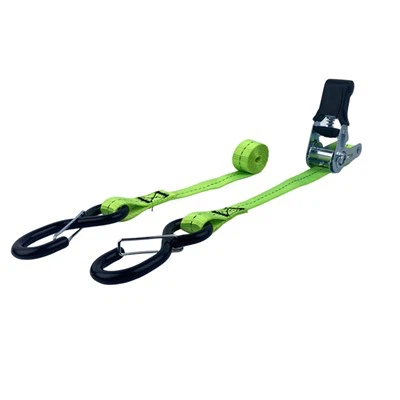
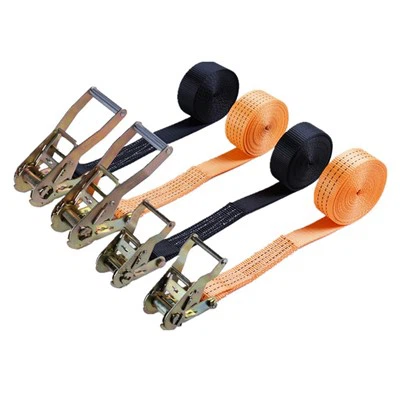
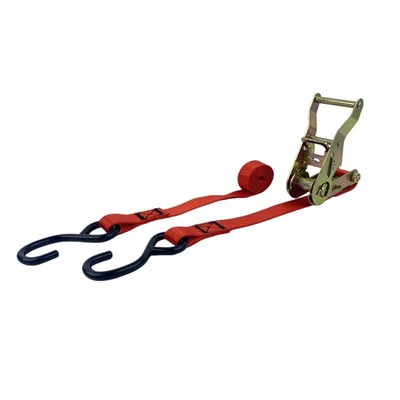
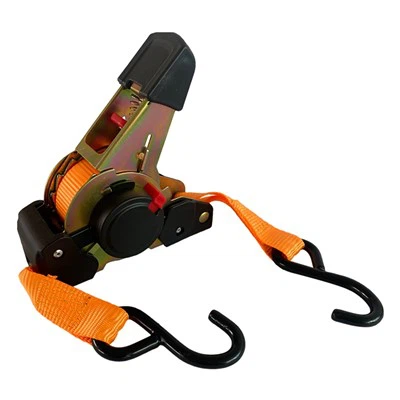
As a leading supplier of cargo buckle ratchet straps, we offer a wide range of products to meet the diverse needs of our customers. Our product range includes Marine Ratchet Straps, 1000 Lb Ratchet Straps, and Car Transporter Ratchet Straps.
Our marine ratchet straps are specifically designed for use in marine environments, where they are exposed to saltwater, UV rays, and other harsh conditions. These straps are made from high-strength polyester webbing and feature a corrosion-resistant buckle and ratchet mechanism to ensure long-lasting performance.
Our 1000 lb ratchet straps are ideal for securing medium to heavy loads, such as furniture, appliances, and machinery. These straps have a WLL of 1000 lbs and are available in various lengths and widths to meet your specific needs.
Our car transporter ratchet straps are designed for use in the automotive industry, where they are used to secure vehicles during transportation. These straps are made from high-strength polyester webbing and feature a padded buckle to prevent damage to the vehicle's paintwork.
Conclusion
Measuring the strength of cargo buckle ratchet straps is an important step in ensuring the safety and security of your cargo during transportation. By understanding the key strength metrics, choosing the right straps for your application, and following the manufacturer's instructions and guidelines, you can minimize the risk of failure and ensure a successful and stress-free transportation experience.
If you have any questions or need further information about our cargo buckle ratchet straps, please don't hesitate to contact us. We are always happy to help you find the right products for your needs and provide you with expert advice and support.
References
- American Society for Testing and Materials (ASTM). (20XX). Standard Specification for Cargo Tie-Down Straps.
- National Highway Traffic Safety Administration (NHTSA). (20XX). Cargo Securement Rules.
- Manufacturer's Product Manuals and Specifications.