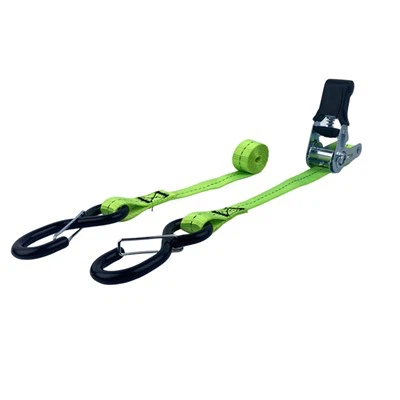
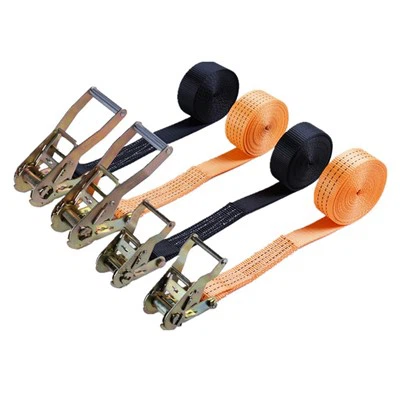
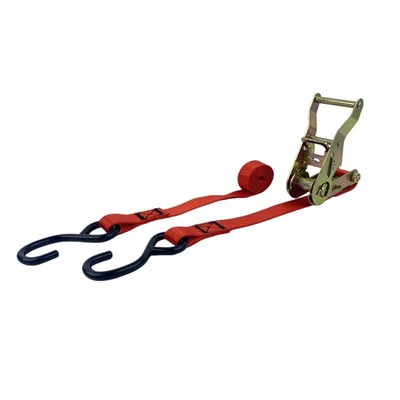
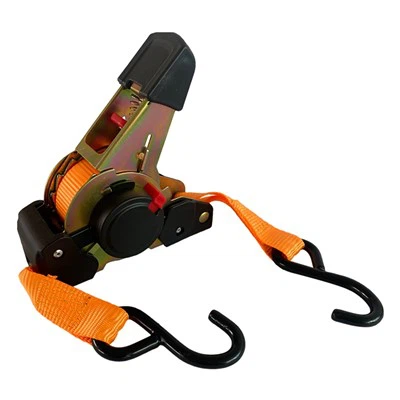
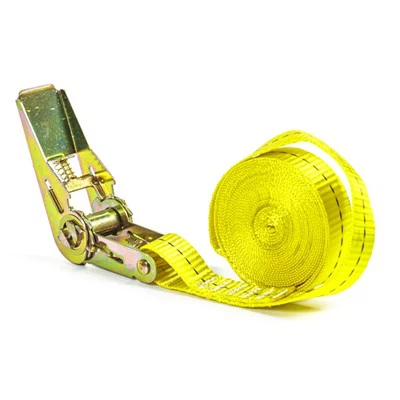
Hey there! As a supplier of ratchet strap tensioners, I've often been asked about the visibility of the markings on these essential tools. In this blog post, I'll dive deep into what that visibility means, why it's crucial, and how it impacts your experience with ratchet strap tensioners.


Let's start by understanding what markings on a ratchet strap tensioner are all about. These markings typically include things like the working load limit (WLL), the maximum breaking strength, and sometimes the manufacturer's details. The working load limit is the maximum amount of weight the strap should be used to secure under normal conditions. The maximum breaking strength, on the other hand, is the amount of force it would take to actually break the strap.
Now, the visibility of these markings is super important. Imagine you're in a hurry to secure a load on your truck or trailer. You need to quickly check the working load limit to make sure you're using the right strap for the job. If the markings are faded, smudged, or just plain hard to read, it can lead to some serious problems. You might end up using a strap that's not strong enough for the load, which could result in the load shifting during transit. That's not only dangerous for other drivers on the road but can also cause damage to your cargo.
So, what factors affect the visibility of these markings? Well, one of the biggest factors is the environment in which the ratchet strap tensioner is used. If it's constantly exposed to harsh weather conditions, like rain, sun, and extreme temperatures, the markings can start to fade over time. For example, if you're using Marine Ratchet Straps on a boat, they're going to be exposed to saltwater, which can be very corrosive. This can eat away at the ink or paint used for the markings, making them less visible.
Another factor is the quality of the markings themselves. Some manufacturers use high - quality, durable inks or engraving methods that are more resistant to wear and tear. Others might cut corners and use cheaper materials that don't hold up as well. As a supplier, I always make sure to source ratchet strap tensioners with high - quality markings. We want our customers to have no trouble reading the important information on the straps, no matter how long they've been in use.
The type of material the ratchet strap is made from can also play a role. For instance, if the strap is made from a rough or textured material, it can be more difficult to apply clear markings. The texture can cause the ink to spread unevenly or not adhere properly, resulting in fuzzy or hard - to - read markings. On the other hand, smooth materials tend to provide a better surface for clear and long - lasting markings.
Now, let's talk about how to maintain the visibility of the markings. First of all, it's a good idea to clean your ratchet strap tensioners regularly. Use a mild soap and water to gently wash away any dirt, grime, or salt that might be covering the markings. Avoid using harsh chemicals or abrasive cleaners, as these can damage the markings.
Secondly, when you're not using the straps, store them in a cool, dry place. This can help prevent the markings from fading due to exposure to sunlight and extreme temperatures. If possible, keep them out of direct sunlight and away from areas where they might be exposed to moisture.
If you notice that the markings on your ratchet strap tensioner are starting to fade, don't just ignore it. You can try using a marker to re - mark the important information, but make sure to use a permanent marker that's suitable for the material of the strap. However, if the markings are too far gone, it might be time to replace the strap. It's better to be safe than sorry when it comes to securing your cargo.
Different industries have different requirements when it comes to the visibility of markings on ratchet strap tensioners. For example, in the transportation industry, strict regulations govern the use of these straps. The markings need to be clearly visible at all times so that inspectors can easily verify the working load limit and other important information.
In the motorcycle industry, Motorcycle Cargo Straps are often used to secure luggage and other equipment. Riders need to be able to quickly check the markings to ensure they're using the right strap for their load. Since motorcycles are often exposed to the elements during rides, the visibility of the markings becomes even more crucial.
For heavy - duty applications, like securing large machinery or construction materials, 5 Ton Straps are commonly used. These straps need to have highly visible markings because the loads they're securing are extremely heavy. A small mistake in reading the markings could lead to a catastrophic failure.
As a supplier, we're constantly looking for ways to improve the visibility of the markings on our ratchet strap tensioners. We're in touch with manufacturers to explore new marking technologies and materials that can withstand even the toughest conditions. We also offer training and resources to our customers on how to properly maintain the visibility of the markings.
If you're in the market for ratchet strap tensioners, don't overlook the importance of the visibility of the markings. It's a small detail that can make a big difference in the safety and efficiency of your cargo - securing operations. Whether you're a professional transporter, a motorcycle enthusiast, or someone who just needs to secure a load every once in a while, choosing a ratchet strap tensioner with clear and durable markings is essential.
If you have any questions about our ratchet strap tensioners or want to discuss your specific needs, feel free to reach out. We're here to help you find the right solution for your cargo - securing requirements. We can provide you with detailed information about the markings, the materials used, and how to best maintain them. Let's work together to ensure your loads are always secure and your operations run smoothly.
References
- General knowledge of ratchet strap tensioner manufacturing and usage.
- Industry standards and regulations regarding cargo - securing equipment.