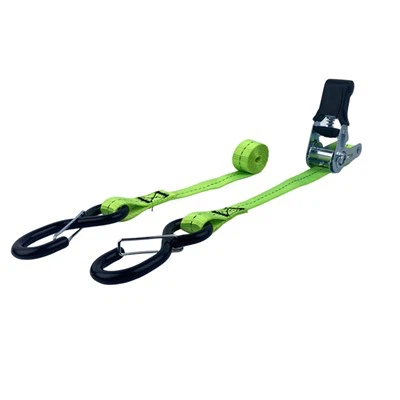
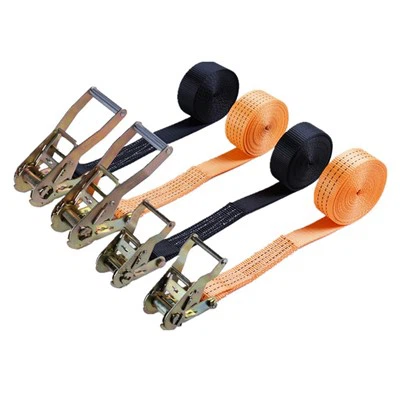
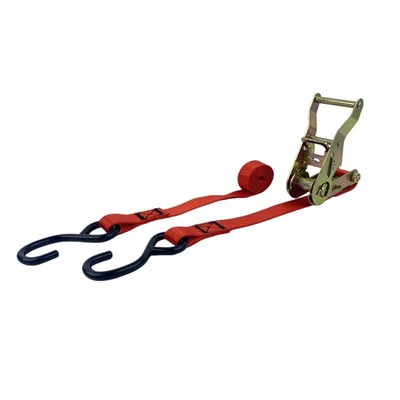
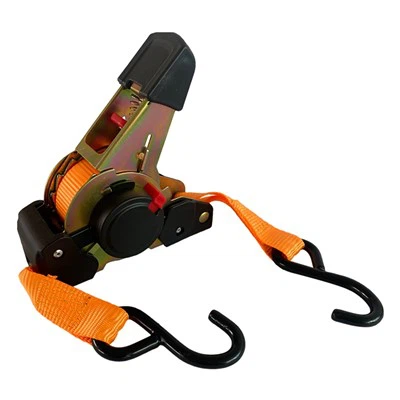
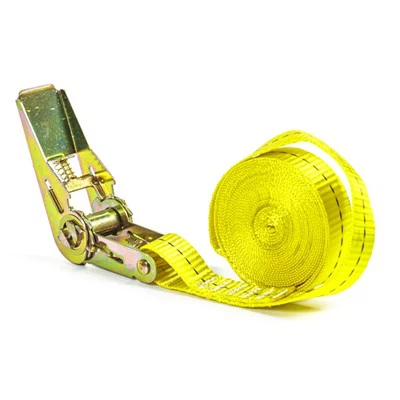
Hey there! I'm a supplier of Extra Long Ratchet Straps, and I've seen my fair share of issues when it comes to these straps slipping. It's a common problem that can be a real headache, especially when you're trying to secure heavy loads. But don't worry, I've got some tips and tricks up my sleeve to help you prevent those extra long ratchet straps from slipping.
Understanding the Problem
Before we dive into the solutions, let's first understand why extra long ratchet straps tend to slip. There are a few reasons for this:
- Friction: The main way a ratchet strap holds a load in place is through friction. If the surface of the load or the strap itself is smooth, there won't be enough friction to keep the strap from moving.
- Tension: If the strap isn't tightened enough, it can easily slip. On the other hand, if it's over - tightened, it can damage the strap or the load.
- Load Movement: When the load shifts during transit, it can cause the strap to loosen and slip.
Tips to Prevent Slipping
1. Choose the Right Strap
First things first, make sure you're using the right Extra Long Ratchet Straps for the job. Look for straps with a high - quality webbing material. A rough or textured webbing will provide more friction against the load. Our High Quality Ratchet Straps are made from durable materials that offer excellent grip.
Also, consider the width of the strap. Wider straps generally distribute the load more evenly and provide more surface area for friction. For heavy or large loads, a wider strap is often a better choice.
2. Prepare the Load Surface
The surface of the load plays a crucial role in preventing strap slippage. If the load has a smooth surface, you can use a non - slip mat or a piece of rubber between the strap and the load. This will increase the friction and keep the strap in place.
For example, if you're securing a piece of furniture with a smooth wooden surface, place a rubber mat on the surface before applying the strap. This simple step can make a big difference.
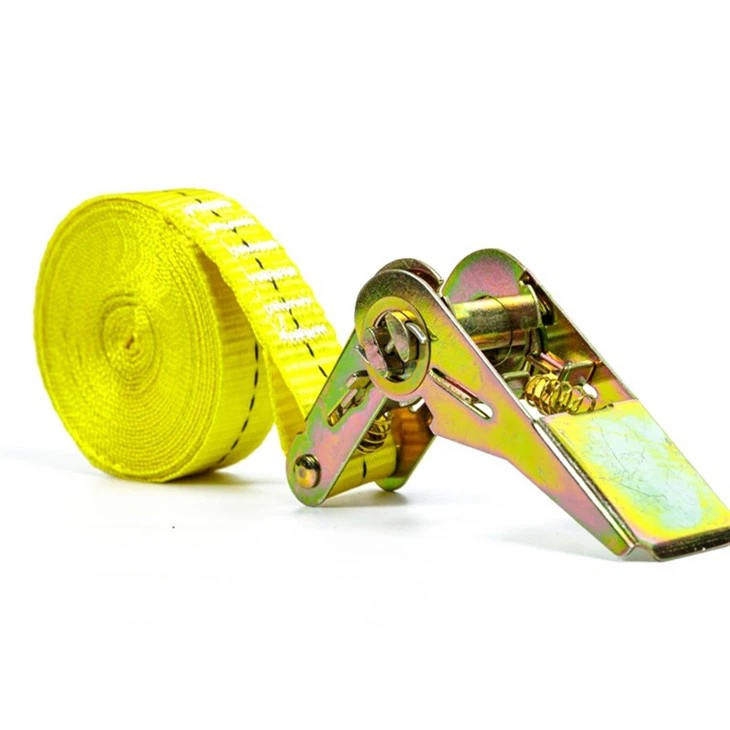

3. Proper Tightening
Tightening the ratchet strap correctly is essential. Start by threading the strap through the ratchet and around the load. Then, start cranking the ratchet slowly. As you crank, make sure the strap is straight and not twisted.
Keep tightening until you feel a good amount of tension. You can use a tension gauge to ensure you're applying the right amount of force. But be careful not to over - tighten, as this can damage the strap or the load.
4. Use Strap Protectors
Strap protectors are a great way to prevent the strap from slipping and also protect the load from damage. They can be placed at the points where the strap comes into contact with the load.
For instance, if you're securing a metal pipe, a strap protector can prevent the sharp edges of the pipe from cutting into the strap and also keep the strap from slipping off the rounded surface.
5. Double - Strapping
For especially heavy or unstable loads, consider using double - strapping. This means using two ratchet straps in parallel to secure the load. Double - strapping distributes the load more evenly and provides an extra layer of security.
If one strap were to slip or fail, the other strap would still hold the load in place. Just make sure to tighten both straps evenly.
6. Check the Straps Regularly
Once you've secured the load, it's important to check the straps regularly, especially during long trips. Vibrations and movement can cause the straps to loosen over time.
Stop every few hours and give the straps a quick inspection. If you notice any signs of slippage or looseness, tighten the straps immediately.
Specific Applications
Automotive Tie - Downs
If you're using Automotive Tie Down Straps to secure a vehicle for transport, there are some additional considerations.
- Anchor Points: Make sure you're using the correct anchor points on the vehicle. These are usually specified in the vehicle's manual. Using the wrong anchor points can lead to uneven stress on the straps and increase the risk of slippage.
- Angle of the Straps: The angle at which the straps are attached to the vehicle can also affect their performance. Straps should be attached at a 45 - degree angle or less to the vehicle's frame. This ensures that the maximum amount of force is transferred to the anchor points and reduces the risk of the straps slipping.
Conclusion
Preventing extra long ratchet straps from slipping is all about choosing the right equipment, preparing the load surface, tightening the straps correctly, and performing regular checks. By following these tips, you can ensure that your loads are secure and that your ratchet straps do their job effectively.
If you're in the market for high - quality ratchet straps, whether it's Extra Long Ratchet Straps, High Quality Ratchet Straps, or Automotive Tie Down Straps, we've got you covered. Our products are designed to provide maximum security and durability. If you have any questions or want to discuss your specific needs, feel free to reach out to us. We're always happy to help you find the perfect solution for your strapping requirements.
References
- General knowledge on ratchet strap usage and safety from years of industry experience.
- Research on materials and design of high - quality ratchet straps.