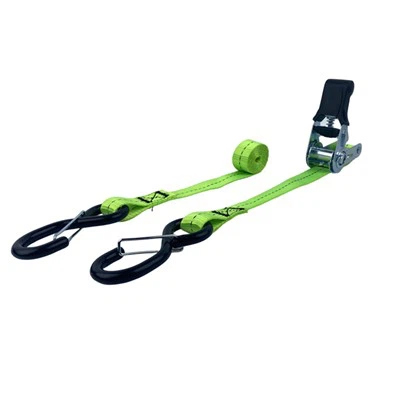
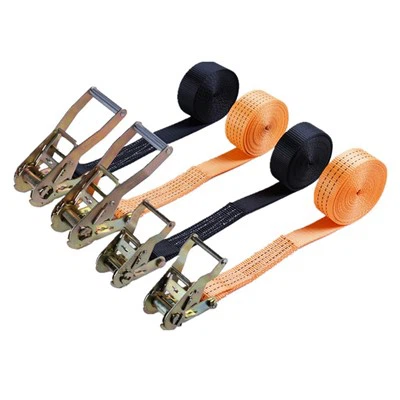
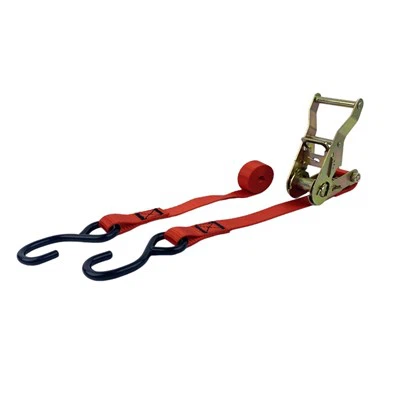
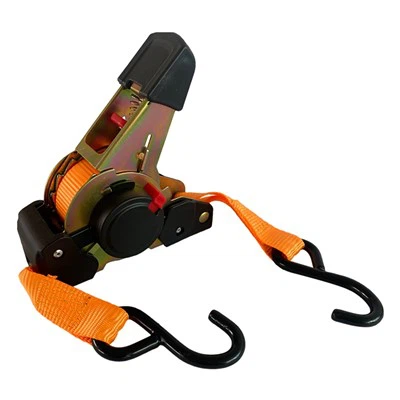
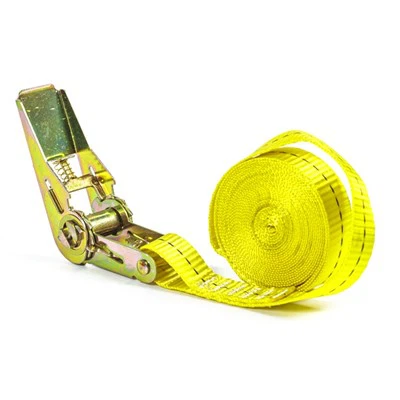
As a supplier of Tow Truck Tie Down Straps, I've encountered numerous queries from customers regarding the common issue of a stuck ratchet on these essential straps. A stuck ratchet can be a real headache, especially when you're in the middle of securing a load or trying to release it quickly. In this blog post, I'll share some effective methods to remove a stuck ratchet on tow truck tie - down straps, along with some preventive measures to avoid this problem in the future.
Understanding the Problem
Before we dive into the solutions, it's important to understand why a ratchet might get stuck in the first place. There are several potential causes:
- Dirt and Debris: Over time, dirt, dust, and other debris can accumulate inside the ratchet mechanism. This can clog the gears and prevent them from moving smoothly.
- Rust and Corrosion: Exposure to moisture, especially in harsh weather conditions, can cause the metal parts of the ratchet to rust. Rust can make the gears sticky and difficult to turn.
- Over - Tightening: If the strap is over - tightened, it can put excessive pressure on the ratchet mechanism, causing it to jam.
- Mechanical Failure: Sometimes, a part of the ratchet may break or wear out, leading to a stuck ratchet.
Tools You'll Need
To remove a stuck ratchet, you'll need a few basic tools:
- Wrench: A socket wrench or an adjustable wrench can be used to loosen any nuts or bolts on the ratchet.
- Lubricant: A good quality lubricant, such as WD - 40 or a silicone - based lubricant, can help to free up the gears.
- Brush: A small brush, like a toothbrush, can be used to clean out dirt and debris from the ratchet.
- Pliers: Pliers can be handy for gripping and moving small parts.
Step - by - Step Guide to Removing a Stuck Ratchet
Step 1: Safety First
Before you start working on the stuck ratchet, make sure the tow truck and the load are secure. If the load is heavy, use additional support to prevent it from shifting. Wear safety gloves and goggles to protect yourself from any flying debris.
Step 2: Inspect the Ratchet
Take a close look at the ratchet to identify the cause of the problem. Check for any visible signs of damage, such as broken parts or excessive rust. Look for any dirt or debris that may be clogging the mechanism.
Step 3: Clean the Ratchet
Use the brush to gently clean out any dirt and debris from the ratchet. Pay special attention to the gears and the areas around the pawl. If the dirt is stubborn, you can use a small amount of solvent on the brush to help loosen it. Make sure to dry the ratchet thoroughly after cleaning.
Step 4: Apply Lubricant
Spray the lubricant into the ratchet mechanism. Focus on the gears, the pawl, and any other moving parts. Work the lubricant into the mechanism by moving the handle back and forth a few times. Let the lubricant sit for a few minutes to penetrate the parts.
Step 5: Loosen the Strap
If the ratchet is stuck because the strap is over - tightened, try to loosen the strap slightly. Use the wrench to loosen any nuts or bolts that are holding the strap in place. Be careful not to loosen the strap too much, as this could cause the load to shift.
Step 6: Try to Operate the Ratchet
Once you've cleaned and lubricated the ratchet, try to operate the handle. If it still doesn't move, you may need to apply more force. Use the pliers to grip the handle and try to turn it gently. If the ratchet still won't budge, you may need to disassemble it.
Step 7: Disassemble the Ratchet
If all else fails, you may need to disassemble the ratchet. Use the wrench to remove any nuts or bolts that are holding the ratchet together. Carefully take the ratchet apart, making sure to keep track of all the parts. Inspect each part for damage and clean them thoroughly.

Step 8: Reassemble and Test
After you've cleaned and inspected all the parts, reassemble the ratchet. Make sure all the parts are in the correct position and tightened properly. Apply a small amount of lubricant to the gears and moving parts before reassembling. Once the ratchet is reassembled, test it to make sure it's working properly.
Preventive Measures
To avoid a stuck ratchet in the future, follow these preventive measures:
- Regular Cleaning: Clean the ratchet regularly to remove dirt and debris. This will help to keep the mechanism running smoothly.
- Lubrication: Apply lubricant to the ratchet at regular intervals. This will prevent rust and corrosion and keep the gears moving freely.
- Proper Tightening: Don't over - tighten the strap. Follow the manufacturer's instructions for the correct amount of tension.
- Inspection: Inspect the ratchet regularly for signs of wear and tear. Replace any damaged parts immediately.
Our Product Range
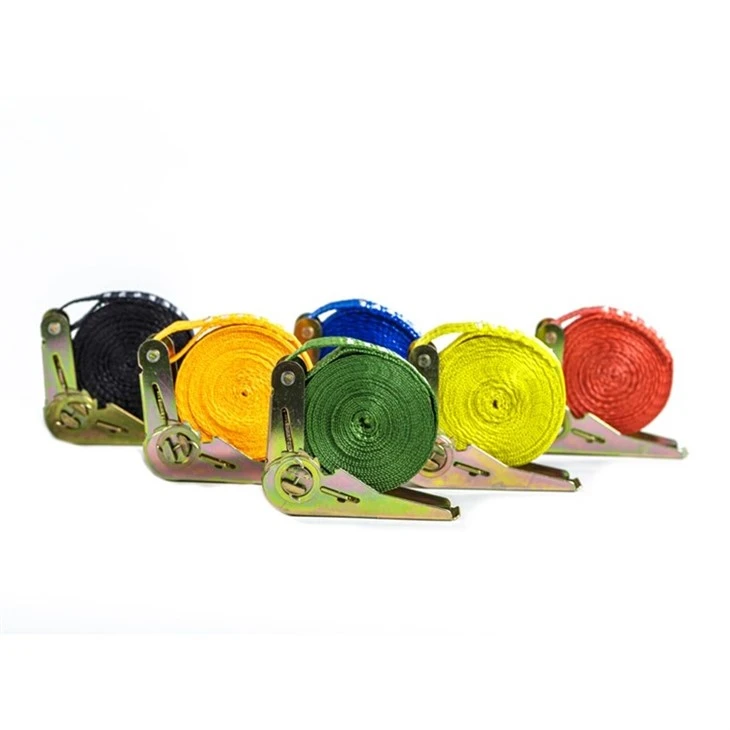
As a Tow Truck Tie Down Straps supplier, we offer a wide range of high - quality products to meet your needs. Our Box Truck Ratchet Straps are designed to provide secure and reliable fastening for box trucks. They are made from durable materials and feature strong ratchet mechanisms.
We also have a variety of Straps and Tie Downs that can be used for different types of loads. Whether you need to secure a small item or a large piece of equipment, we have the right strap for you.
If you're looking for shorter straps, our Short Tie Down Straps with Hooks are a great option. They are easy to use and provide a strong hold.
Contact Us for Procurement
If you're interested in purchasing our Tow Truck Tie Down Straps or have any questions about our products, please feel free to contact us. We have a team of experts who can assist you in choosing the right products for your specific needs. We offer competitive prices and excellent customer service.
References
- "Truck Tie - Down Straps: A Guide to Safe and Secure Loading" by Trucking Safety Magazine
- Manufacturer's manuals for tow truck tie - down straps