When it comes to securing a large load, one of the most crucial decisions you'll face is determining how many extra long ratchet straps you need. As a trusted supplier of Extra Long Ratchet Straps, I've encountered numerous customers grappling with this very question. In this blog post, I'll share some insights and guidelines to help you make an informed decision.
Understanding the Basics of Ratchet Straps
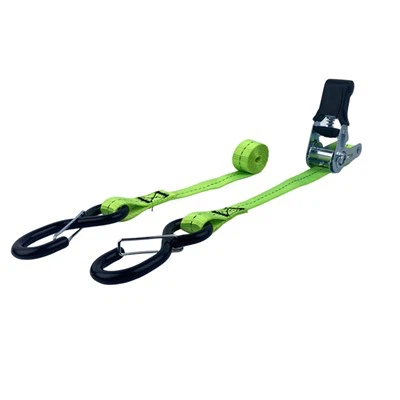
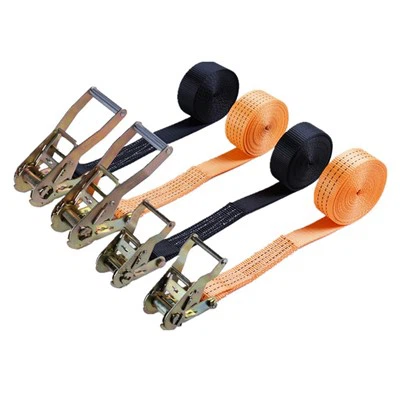
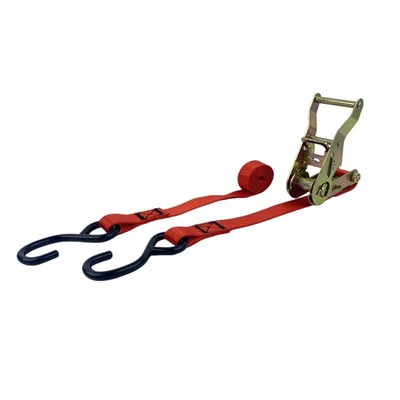
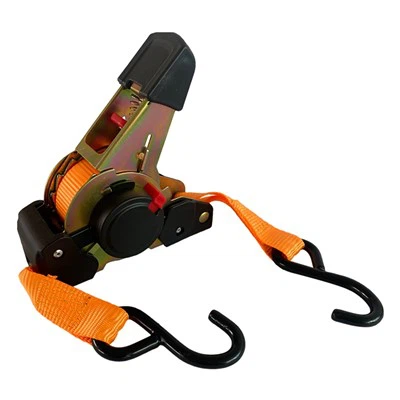
Before delving into the quantity required, it's essential to understand what ratchet straps are and how they work. Ratchet straps are a type of tie-down strap that uses a ratcheting mechanism to tighten the strap securely around a load. They are commonly used in various industries, including transportation, construction, and agriculture, to secure heavy and bulky items during transit.
Our Truck Ratchet Tie Down Straps are designed to provide maximum strength and durability, ensuring that your load remains secure even under the most challenging conditions. These straps are made from high-quality materials and are available in a variety of lengths and widths to suit your specific needs.
Factors to Consider When Determining the Number of Straps
Several factors come into play when deciding how many extra long ratchet straps you need for a large load. Here are some key considerations:
1. Size and Weight of the Load
The size and weight of the load are perhaps the most significant factors in determining the number of straps required. Larger and heavier loads will generally require more straps to ensure stability and prevent shifting during transit. As a general rule of thumb, you should use at least one strap for every 10 feet of load length and one strap for every 500 pounds of load weight. However, this is just a starting point, and you may need to adjust the number of straps based on the specific characteristics of your load.
2. Shape and Configuration of the Load
The shape and configuration of the load can also impact the number of straps needed. Irregularly shaped loads or those with protruding parts may require additional straps to secure them properly. For example, a load with sharp edges or corners may need extra straps to prevent damage to the straps and ensure a secure fit. Additionally, loads that are prone to shifting or rolling, such as barrels or cylinders, may require more straps to keep them in place.
3. Type of Vehicle and Transportation Conditions
The type of vehicle you're using to transport the load and the transportation conditions can also influence the number of straps required. If you're using a flatbed truck or trailer, you'll typically need more straps to secure the load compared to a closed van or box truck. This is because flatbed vehicles expose the load to more wind and vibration, increasing the risk of shifting. Similarly, if you're transporting the load over rough terrain or long distances, you may need to use additional straps to ensure the load remains stable.
4. Local Regulations and Safety Standards
It's important to familiarize yourself with the local regulations and safety standards regarding load securing. Different states and countries may have specific requirements regarding the number and type of straps that must be used for certain types of loads. Failure to comply with these regulations can result in fines and penalties, as well as pose a safety risk to yourself and others on the road. Make sure to check the local laws and regulations before transporting your load and ensure that you're using the appropriate number and type of straps.
Calculating the Number of Straps
Once you've considered the factors above, you can calculate the number of extra long ratchet straps you need for your large load. Here's a step-by-step guide:
Step 1: Measure the Length and Width of the Load
Use a measuring tape to determine the length and width of the load. Make sure to measure the longest and widest points of the load to ensure that you have an accurate measurement.
Step 2: Determine the Weight of the Load
If you know the weight of the load, you can use this information to calculate the number of straps required. If you don't know the weight of the load, you can estimate it based on the type of material and the size of the load. You can also use a weighing scale to measure the weight of the load if possible.
Step 3: Calculate the Number of Straps Based on the Load Length and Weight
As mentioned earlier, you should use at least one strap for every 10 feet of load length and one strap for every 500 pounds of load weight. For example, if your load is 20 feet long and weighs 1,500 pounds, you would need at least two straps for the length (20 feet / 10 feet = 2) and three straps for the weight (1,500 pounds / 500 pounds = 3). In this case, you would need a total of five straps to secure the load.
Step 4: Adjust the Number of Straps Based on the Shape and Configuration of the Load
If your load has an irregular shape or protruding parts, you may need to add additional straps to ensure a secure fit. For example, if your load has sharp edges or corners, you may need to use extra straps to prevent damage to the straps and ensure a tight fit. Similarly, if your load is prone to shifting or rolling, you may need to use more straps to keep it in place.
Step 5: Consider the Type of Vehicle and Transportation Conditions
If you're using a flatbed truck or trailer, you'll typically need more straps to secure the load compared to a closed van or box truck. Additionally, if you're transporting the load over rough terrain or long distances, you may need to use additional straps to ensure the load remains stable. Adjust the number of straps accordingly based on the type of vehicle and transportation conditions.
Additional Tips for Securing a Large Load
In addition to using the appropriate number of extra long ratchet straps, here are some additional tips to help you secure a large load safely:
- Inspect the Straps Before Use: Before using the ratchet straps, inspect them for any signs of damage or wear. Look for cuts, frays, or other defects that could compromise the strength of the straps. If you notice any damage, replace the straps immediately.
- Use Proper Knots and Tie-Downs: Make sure to use proper knots and tie-downs when securing the load with the ratchet straps. This will help to prevent the straps from coming loose during transit. Follow the manufacturer's instructions for tying the knots and using the tie-downs.
- Distribute the Weight Evenly: When loading the vehicle, make sure to distribute the weight of the load evenly. This will help to prevent the load from shifting during transit and reduce the risk of damage to the vehicle and the load.
- Check the Straps Regularly: During transit, check the ratchet straps regularly to ensure that they remain tight and secure. If you notice any signs of loosening or shifting, stop the vehicle and tighten the straps as needed.
- Use Additional Safety Equipment: In addition to ratchet straps, you may also want to consider using additional safety equipment, such as corner protectors, load bars, or chains, to secure the load. This will provide an extra layer of protection and help to prevent damage to the load and the vehicle.
Conclusion
Determining how many extra long ratchet straps you need for a large load requires careful consideration of several factors, including the size and weight of the load, the shape and configuration of the load, the type of vehicle and transportation conditions, and the local regulations and safety standards. By following the guidelines outlined in this blog post and using the appropriate number of straps, you can ensure that your load remains secure and stable during transit.


As a leading supplier of Extra Long Ratchet Straps, we offer a wide range of high-quality products to meet your specific needs. Our Automotive Tie Down Straps and Rope Tie Down Straps are designed to provide maximum strength and durability, ensuring that your load remains secure even under the most challenging conditions.
If you have any questions or need assistance in determining the number of extra long ratchet straps you need for your large load, please don't hesitate to contact us. Our team of experts is always available to help you find the right solution for your needs. We look forward to working with you and helping you secure your load safely and efficiently.
References
- Federal Motor Carrier Safety Administration (FMCSA). (n.d.). Cargo Securement Rules. Retrieved from [FMCSA Website]
- American Society of Transportation Officials (AASHTO). (n.d.). Standard Specifications for Transportation Materials and Methods of Sampling and Testing. Retrieved from [AASHTO Website]