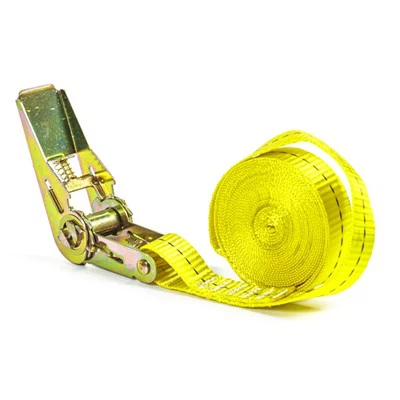
Adjusting the length of ratchet straps and tie downs accurately is crucial for ensuring the safety and stability of your cargo during transportation. As a leading supplier of Ratchet Straps and Tie Downs, I understand the importance of this process and am here to share some valuable insights on how to achieve precise length adjustments.
Understanding the Basics of Ratchet Straps and Tie Downs
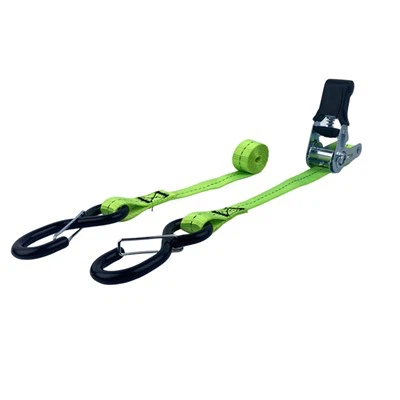
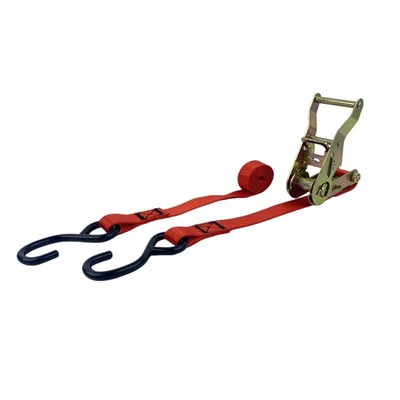
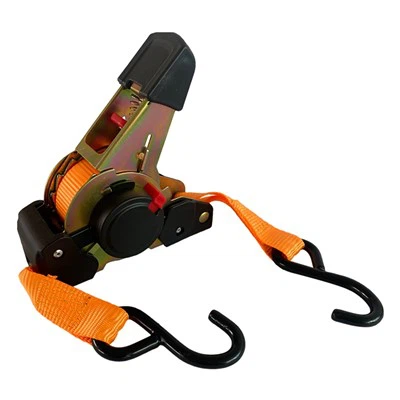
Before delving into the adjustment process, it's essential to have a clear understanding of what ratchet straps and tie downs are and how they work. Ratchet straps are a type of securing device that consists of a webbing strap, a ratchet mechanism, and hooks at each end. The ratchet mechanism allows you to tighten the strap by turning the handle, creating tension that holds the cargo in place. Tie downs, on the other hand, are a broader category of securing devices that include ratchet straps, cam buckles, and bungee cords. They are used to secure various types of cargo to a vehicle or trailer.
Tools Required for Adjusting Ratchet Straps and Tie Downs
To adjust the length of ratchet straps and tie downs accurately, you'll need a few basic tools. These include:
- Measuring Tape: A measuring tape is essential for determining the exact length of the strap required for your cargo.
- Scissors or a Utility Knife: You'll need a sharp cutting tool to trim the excess webbing from the strap once you've adjusted the length.
- Safety Gloves: Safety gloves are recommended to protect your hands from the sharp edges of the webbing and the ratchet mechanism.
Step-by-Step Guide to Adjusting Ratchet Straps and Tie Downs
Now that you have the necessary tools, let's walk through the step-by-step process of adjusting the length of ratchet straps and tie downs accurately.
Step 1: Measure the Required Length
The first step is to measure the distance between the anchor points on your vehicle or trailer and the cargo you need to secure. Use a measuring tape to get an accurate measurement. Make sure to add a few extra inches to the measurement to allow for tightening the strap.
Step 2: Select the Right Strap
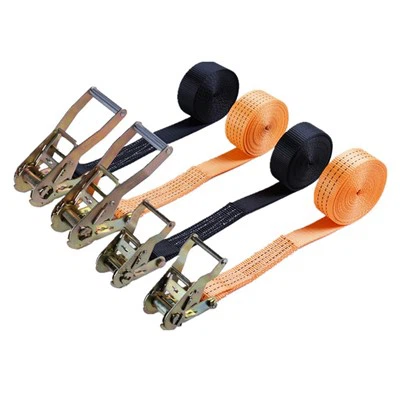
Once you have the measurement, select a ratchet strap or tie down that is long enough to reach the anchor points and secure the cargo. Consider the weight and size of the cargo when choosing the strap. For heavier loads, you may need a 5000kg Ratchet Straps to ensure sufficient strength and stability.
Step 3: Loosen the Ratchet Mechanism
If you're using a ratchet strap, loosen the ratchet mechanism by pulling the release lever. This will allow you to feed the webbing through the ratchet and adjust the length.


Step 4: Feed the Webbing Through the Ratchet
Insert the end of the webbing strap through the ratchet mechanism, following the manufacturer's instructions. Make sure the webbing is threaded correctly to ensure smooth operation of the ratchet.
Step 5: Adjust the Length
Once the webbing is threaded through the ratchet, adjust the length of the strap to match the measurement you took earlier. Pull the excess webbing through the ratchet until the strap reaches the desired length.
Step 6: Tighten the Ratchet
Once the strap is at the correct length, tighten the ratchet mechanism by turning the handle clockwise. Keep turning the handle until the strap is taut and the cargo is securely fastened. Make sure to check the tension of the strap periodically to ensure it remains tight during transportation.
Step 7: Trim the Excess Webbing
After tightening the strap, use scissors or a utility knife to trim the excess webbing from the end of the strap. Leave a few inches of webbing to prevent the strap from slipping out of the ratchet.
Step 8: Secure the Hooks
Attach the hooks at each end of the strap to the anchor points on your vehicle or trailer and the cargo. Make sure the hooks are securely fastened to prevent the strap from coming loose during transportation.
Tips for Accurate Length Adjustment
Here are some additional tips to help you adjust the length of ratchet straps and tie downs accurately:
- Use a Template: If you need to adjust multiple straps to the same length, create a template using a piece of cardboard or wood. This will ensure consistency and save you time.
- Double-Check the Measurement: Before cutting the webbing, double-check the measurement to make sure you have the correct length. It's better to be a little cautious and leave a little extra webbing than to cut it too short.
- Practice Makes Perfect: Adjusting the length of ratchet straps and tie downs takes practice. If you're new to using these tools, start with a small project and gradually work your way up to larger loads.
Importance of Accurate Length Adjustment
Accurately adjusting the length of ratchet straps and tie downs is essential for several reasons:
- Safety: A properly adjusted strap ensures that the cargo is securely fastened, reducing the risk of it shifting or falling during transportation. This helps to prevent accidents and injuries on the road.
- Stability: A taut strap provides better stability for the cargo, preventing it from bouncing or swaying during transit. This helps to protect the cargo from damage and ensures a smoother ride.
- Compliance: In many cases, there are regulations and standards regarding the use of ratchet straps and tie downs for securing cargo. Accurately adjusting the length of the straps helps to ensure compliance with these regulations.
Conclusion
Adjusting the length of ratchet straps and tie downs accurately is a skill that every cargo transporter should master. By following the steps outlined in this blog post and using the right tools, you can ensure that your cargo is securely fastened and transported safely. Remember to choose the right strap for the job, measure the length carefully, and tighten the strap properly. If you have any questions or need further assistance, don't hesitate to [contact us](insert contact information). We're here to help you find the best Ratchet Straps and Tie Downs for your needs.
References
- "Ratchet Straps: How to Use Them Safely and Effectively." Cargo Control Products, Inc.
- "Tie Down Straps: A Comprehensive Guide." The Hitch Depot.