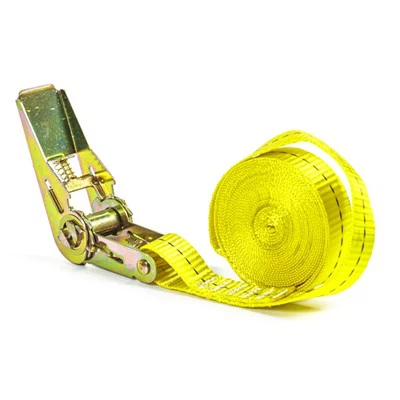
When it comes to securing cargo during transportation, lashing straps with hooks are indispensable tools. As a supplier of lashing straps with hooks, I often receive inquiries from customers about the average lifespan of these products. In this blog, I will delve into the factors that influence the lifespan of lashing straps with hooks and provide some insights to help you make the most of your investment.
Understanding Lashing Straps with Hooks
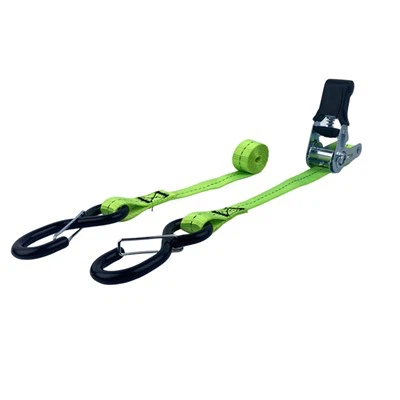
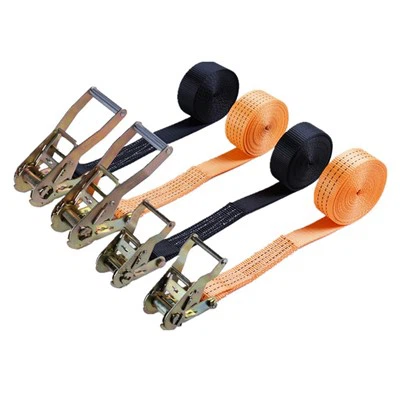
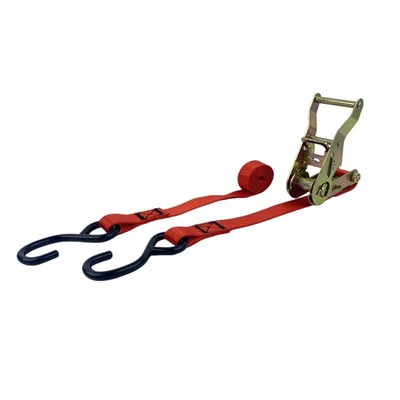
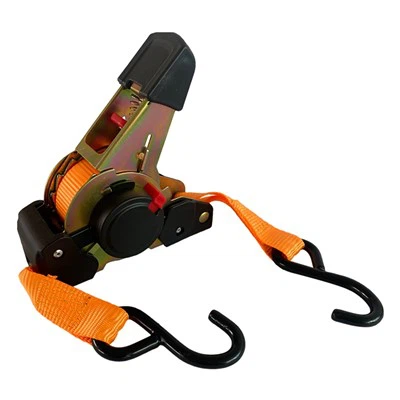
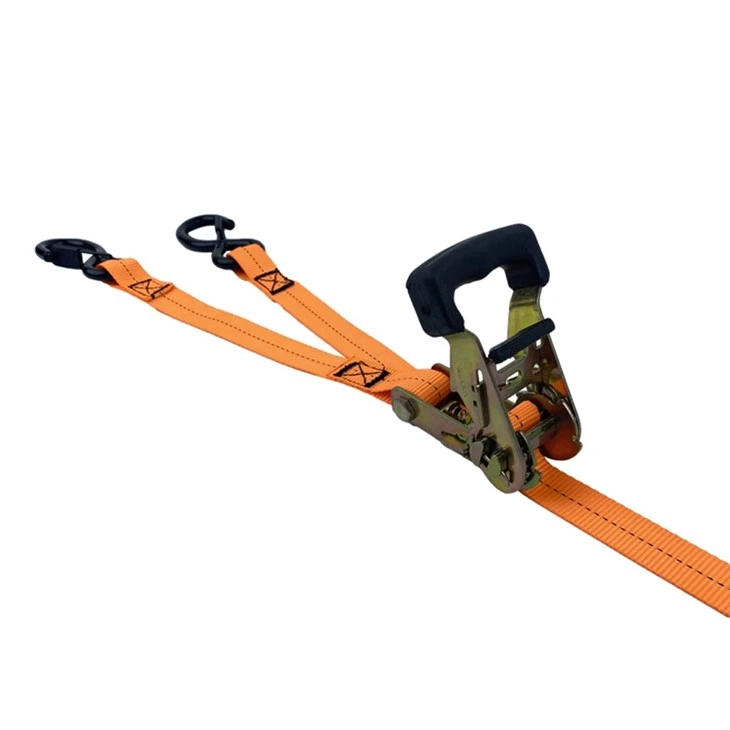
Lashing straps with hooks are commonly used to secure various types of cargo on trucks, trailers, boats, and other vehicles. They consist of a webbing strap and hooks at both ends, which can be easily attached to anchor points on the vehicle or the cargo itself. The webbing strap is usually made of polyester or nylon, which provides high strength and durability. The hooks can be of different types, such as J-hooks, S-hooks, or grab hooks, depending on the specific application.
Factors Affecting the Lifespan of Lashing Straps with Hooks
The lifespan of lashing straps with hooks can vary significantly depending on several factors. Here are some of the key factors that can influence how long your lashing straps will last:
1. Quality of Materials
The quality of the materials used in the construction of lashing straps with hooks is one of the most important factors affecting their lifespan. High-quality webbing straps are made of strong and durable materials, such as polyester or nylon, which can withstand heavy loads and resist abrasion, UV rays, and chemicals. Similarly, high-quality hooks are made of strong metals, such as steel or aluminum, which can resist corrosion and deformation.
For example, our High Quality Ratchet Straps are made of premium polyester webbing and heavy-duty steel hooks, which provide excellent strength and durability. These straps are designed to withstand the rigors of heavy use and can last for many years if properly maintained.
2. Frequency of Use
The frequency of use is another important factor affecting the lifespan of lashing straps with hooks. Straps that are used frequently are more likely to experience wear and tear than those that are used less often. If you use your lashing straps on a daily basis, they may need to be replaced more frequently than if you only use them occasionally.
For instance, if you are a professional trucker who uses lashing straps to secure cargo on a regular basis, you may need to replace your straps every few months or years, depending on the intensity of use. On the other hand, if you only use lashing straps for occasional home or recreational use, they may last for several years.
3. Type of Cargo
The type of cargo you are securing can also have an impact on the lifespan of lashing straps with hooks. Sharp or abrasive cargo can cause damage to the webbing strap or the hooks, reducing their lifespan. For example, if you are securing metal pipes or lumber, the edges of the cargo can cut or abrasion the webbing strap, making it weaker and more prone to failure.
In contrast, if you are securing soft or non-abrasive cargo, such as furniture or clothing, the lashing straps are less likely to be damaged. To protect your lashing straps from damage, you can use padding or protective covers when securing sharp or abrasive cargo.
4. Environmental Conditions
The environmental conditions in which the lashing straps are used and stored can also affect their lifespan. Exposure to extreme temperatures, humidity, UV rays, and chemicals can cause the webbing strap to deteriorate over time. For example, if you store your lashing straps in a damp or humid environment, they may be more prone to mold and mildew growth, which can weaken the webbing.
Similarly, if you use your lashing straps in direct sunlight for extended periods of time, the UV rays can cause the webbing to fade and become brittle. To extend the lifespan of your lashing straps, it is important to store them in a dry, cool, and shaded place when not in use.
5. Proper Maintenance
Proper maintenance is crucial for extending the lifespan of lashing straps with hooks. Regular inspection and cleaning can help identify any signs of damage or wear and tear early on, allowing you to replace the straps before they fail. You should also follow the manufacturer's instructions for use and storage to ensure that the straps are used and maintained correctly.
For example, you should inspect your lashing straps before each use to check for any signs of damage, such as cuts, abrasions, or fraying. If you notice any damage, you should replace the strap immediately. You should also clean your lashing straps regularly to remove any dirt, debris, or chemicals that may have accumulated on the webbing.

Average Lifespan of Lashing Straps with Hooks
Given the various factors that can affect the lifespan of lashing straps with hooks, it is difficult to provide a specific average lifespan. However, with proper use and maintenance, high-quality lashing straps with hooks can last for several years.
On average, a well-maintained lashing strap with hooks can last anywhere from 2 to 5 years, depending on the frequency of use, type of cargo, and environmental conditions. Straps that are used less frequently and in less harsh conditions may last longer, while those that are used frequently and in more demanding environments may need to be replaced more often.
For example, our Heavy Duty Ratchet Straps with Hooks are designed for heavy-duty use and can last for up to 5 years with proper maintenance. These straps are made of high-quality materials and are built to withstand the toughest conditions.
Signs That Your Lashing Straps Need to be Replaced
Even with proper maintenance, lashing straps with hooks will eventually wear out and need to be replaced. Here are some signs that your lashing straps may need to be replaced:
- Visible Damage: If you notice any cuts, abrasions, fraying, or tears in the webbing strap or the hooks, it is a sign that the strap is damaged and should be replaced.
- Weakness or Stretch: If the webbing strap feels weak or stretches more than usual when under load, it may be a sign that the strap has lost its strength and needs to be replaced.
- Corrosion or Rust: If the hooks are corroded or rusted, they may not be able to hold the cargo securely and should be replaced.
- Deterioration of the Webbing: If the webbing strap has become brittle, faded, or discolored, it may be a sign that it has been exposed to UV rays or chemicals and needs to be replaced.
Conclusion
In conclusion, the average lifespan of lashing straps with hooks depends on several factors, including the quality of materials, frequency of use, type of cargo, environmental conditions, and proper maintenance. By choosing high-quality lashing straps, using them properly, and maintaining them regularly, you can extend their lifespan and ensure that they provide reliable and safe cargo securing for many years.
If you are in the market for lashing straps with hooks, we offer a wide range of high-quality products to meet your needs. Our 5 Ton Straps are designed for heavy-duty applications and can provide the strength and durability you need to secure your cargo safely.
If you have any questions or would like to discuss your specific requirements, please feel free to contact us. We are here to help you find the best lashing straps with hooks for your needs and provide you with the support and service you deserve.
References
- American Society of Testing and Materials (ASTM). (20XX). Standard Specification for Synthetic Web Tie-Down Straps.
- Federal Motor Carrier Safety Administration (FMCSA). (20XX). Cargo Securement Rules.