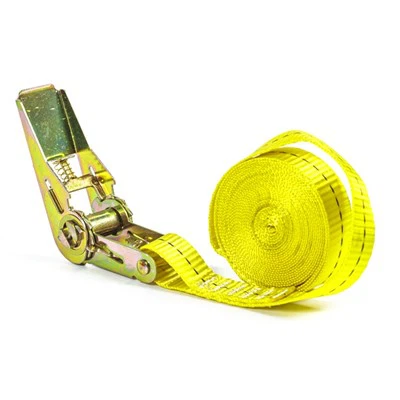
When it comes to securing cargo during transportation, locking cargo straps are an indispensable tool. As a trusted supplier of locking cargo straps, I understand the importance of choosing the right length for your specific needs. In this blog post, I'll share some insights and guidelines to help you make an informed decision.
Understanding Your Cargo and Transportation Needs
Before you start looking at different lengths of locking cargo straps, it's crucial to have a clear understanding of your cargo and the mode of transportation. Consider the following factors:
Size and Shape of the Cargo
The size and shape of your cargo will largely determine the length of the straps you need. For small, compact items, shorter straps may be sufficient. However, if you're transporting large, irregularly shaped items such as furniture, machinery, or construction materials, you'll likely need longer straps to ensure a secure fit. For example, if you're moving a large sofa, you might need straps that are long enough to wrap around the entire piece and reach the anchor points on your trailer or truck bed.
Type of Transportation
The type of transportation you'll be using also plays a significant role in determining the strap length. If you're using a trailer, you'll need to consider the distance between the cargo and the anchor points on the trailer. Trailers come in various sizes, and the spacing between the tie-down points can vary. Make sure to measure the distance accurately to select the appropriate strap length. On the other hand, if you're transporting cargo in the bed of a pickup truck, you'll need to account for the length of the truck bed and the position of the cargo within it.
Number of Straps Required
Depending on the size and weight of your cargo, you may need to use multiple straps to secure it properly. In such cases, you'll need to ensure that the combined length of the straps is sufficient to cover the entire cargo and provide adequate tension. For example, if you're using two straps to secure a large piece of equipment, you'll need to make sure that each strap is long enough to reach the anchor points and that they can be tightened evenly to distribute the load.
Measuring for the Right Strap Length
Once you have a clear understanding of your cargo and transportation needs, it's time to measure for the right strap length. Here's a step-by-step guide to help you:
Step 1: Identify the Anchor Points
Locate the anchor points on your trailer or truck bed where you'll be attaching the straps. These anchor points can be D-rings, tie-down hooks, or other types of fasteners. Make sure they are strong enough to withstand the tension of the straps and are securely attached to the vehicle.
Step 2: Measure the Distance
Using a measuring tape, measure the distance between the anchor points and the cargo. If you're using multiple straps, measure the distance for each strap separately. Make sure to measure along the path that the strap will take, taking into account any curves or bends in the cargo or the vehicle.
Step 3: Add Extra Length
It's always a good idea to add a little extra length to the measured distance to allow for some flexibility and to ensure that you can tighten the straps properly. A general rule of thumb is to add at least 6 to 12 inches to the measured length. This extra length will give you some room to work with and will help prevent the straps from becoming too tight or too loose.
Step 4: Consider the Type of Strap
Different types of locking cargo straps have different stretch characteristics, which can affect the effective length of the strap. For example, ratchet straps tend to have less stretch than bungee cords or elastic straps. When choosing the length of your strap, make sure to take into account the stretch factor of the specific type of strap you're using.
Common Strap Lengths and Their Applications
Now that you know how to measure for the right strap length, let's take a look at some common strap lengths and their typical applications:
Short Straps (Less than 6 Feet)
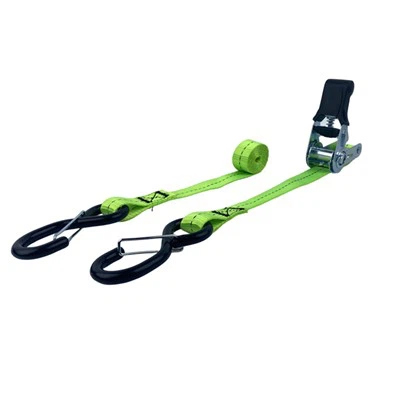
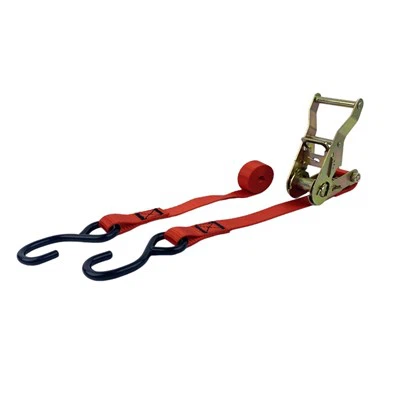
Short straps are ideal for securing small, lightweight items such as boxes, tools, or sports equipment. They are also useful for holding down tarps or covers on trailers or trucks. Short straps are easy to handle and can be quickly attached and detached, making them a convenient choice for quick and simple tie-down jobs. Trailer Ratchet Tie Downs in shorter lengths are often used for these types of applications.
Medium Straps (6 to 12 Feet)
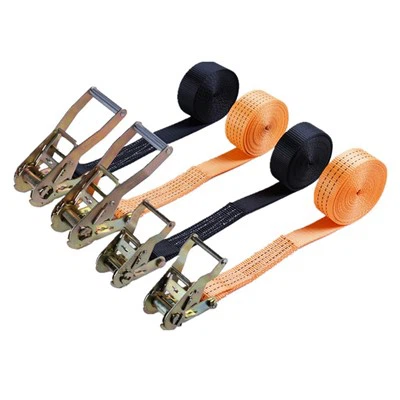
Medium-length straps are the most versatile and commonly used type of locking cargo straps. They are suitable for a wide range of applications, including securing furniture, appliances, motorcycles, and ATVs. Medium straps can be used on both trailers and trucks and can be easily adjusted to fit different sizes of cargo. 1 Inch Heavy Duty Ratchet Straps in this length range are popular for their strength and durability.
Long Straps (More than 12 Feet)
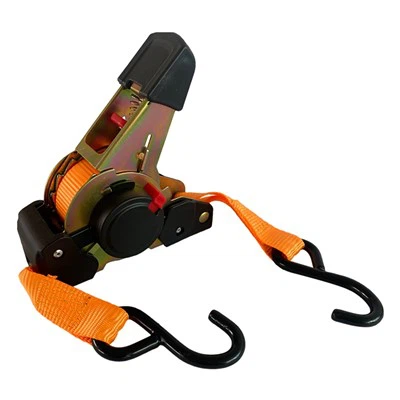
Long straps are typically used for securing large, heavy items such as boats, RVs, or construction equipment. They are also useful for tying down cargo on flatbed trailers or trucks with long beds. Long straps require more strength and tension to secure the cargo properly, so make sure to choose a strap with a high weight capacity. Retractable Tie Down Strap in longer lengths can provide the flexibility and reach needed for these types of applications.
Other Considerations When Choosing Strap Length
In addition to the factors mentioned above, there are a few other considerations to keep in mind when choosing the right length of locking cargo straps:
Weight Capacity
Make sure to choose a strap with a weight capacity that is appropriate for your cargo. The weight capacity of a strap is determined by its material, width, and construction. Always check the manufacturer's specifications to ensure that the strap can safely support the weight of your cargo.
Durability
Look for straps that are made from high-quality materials and are designed to withstand the rigors of transportation. Straps that are resistant to abrasion, UV rays, and moisture will last longer and provide better performance.
Ease of Use
Choose straps that are easy to handle and operate. Ratchet straps, for example, are popular because they allow for easy tightening and loosening of the strap. Make sure the straps you choose have comfortable handles and are easy to attach and detach from the anchor points.


Conclusion
Choosing the right length of locking cargo straps is essential for ensuring the safety and security of your cargo during transportation. By understanding your cargo and transportation needs, measuring accurately, and considering the factors mentioned above, you can select the appropriate strap length for your specific application. As a leading supplier of locking cargo straps, we offer a wide range of lengths and types to meet your needs. If you have any questions or need further assistance in choosing the right straps, please don't hesitate to contact us. We're here to help you make the best decision for your cargo securing needs.
References
- Cargo Securement Regulations, Federal Motor Carrier Safety Administration
- Best Practices for Securing Cargo, Transportation Research Board