When it comes to securing cargo during transportation, vehicle ratchet straps are an indispensable tool. As a reliable Vehicle Ratchet Straps supplier, I've witnessed firsthand the importance of ensuring even tension distribution when using these straps. Uneven tension can lead to a host of problems, from cargo shifting and damage to potential safety hazards on the road. In this blog post, I'll share some valuable insights and practical tips on how to achieve even tension distribution when using vehicle ratchet straps.


Understanding the Basics of Vehicle Ratchet Straps
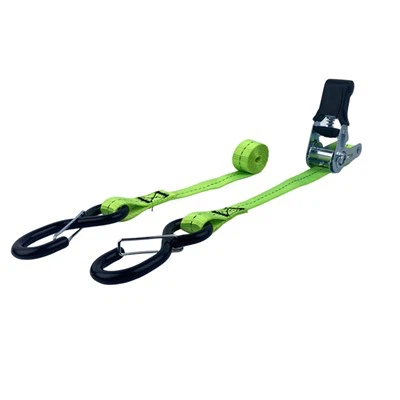
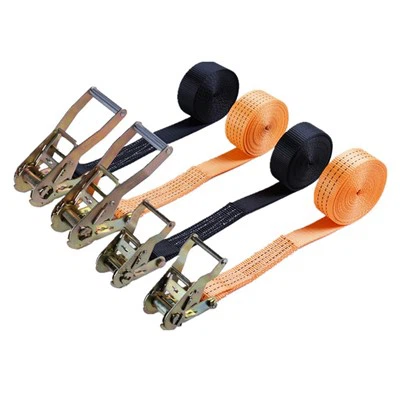
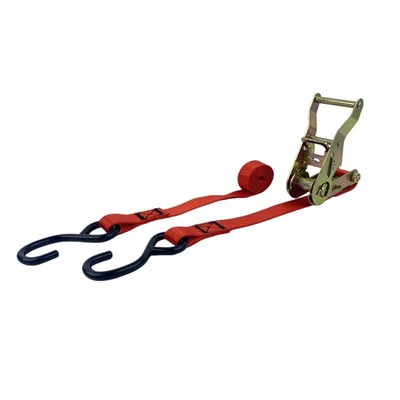
Before delving into the details of even tension distribution, it's essential to have a basic understanding of how vehicle ratchet straps work. A typical ratchet strap consists of a strap made of high - strength material, such as polyester webbing, a ratchet mechanism, and end fittings. The ratchet mechanism allows you to tighten the strap by turning the handle, creating tension that holds the cargo in place.
The key to using ratchet straps effectively lies in achieving and maintaining the right amount of tension across the entire length of the strap. This not only ensures the stability of the cargo but also extends the lifespan of the straps.
Factors Affecting Tension Distribution
Several factors can influence the even distribution of tension in vehicle ratchet straps. One of the primary factors is the way the straps are routed around the cargo. If the strap is not routed properly, it can create areas of high and low tension. For example, if the strap is twisted or kinked, the tension will be concentrated in certain spots, leading to uneven distribution.
The type of cargo also plays a significant role. Irregularly shaped or heavy - weighted cargo may require more careful planning to ensure even tension. Soft or flexible cargo can deform under pressure, causing the tension to shift over time. Additionally, the surface on which the cargo is placed can affect tension distribution. A smooth surface may allow the cargo to slide, while a rough surface can create friction points that alter the tension.
Tips for Ensuring Even Tension Distribution
1. Proper Strap Routing
The first step in achieving even tension distribution is to route the straps correctly. Start by identifying the best points on the cargo and the vehicle for attachment. The straps should be routed in a straight line as much as possible, avoiding sharp bends or twists. For irregularly shaped cargo, use multiple straps and distribute them evenly around the load.
When routing the strap through the ratchet mechanism, make sure it is fed smoothly and without any obstructions. A properly routed strap will allow the tension to be evenly spread along its length.
2. Pre - Tensioning
Before fully tightening the ratchet, it's a good idea to pre - tension the strap. This involves pulling the strap tight by hand to remove any slack. Pre - tensioning helps to ensure that the strap is in the correct position and that the initial tension is evenly distributed. It also makes it easier to achieve the desired final tension using the ratchet mechanism.
3. Use of Multiple Straps
For larger or heavier loads, using multiple straps is essential. Distribute the straps evenly around the cargo to share the load and ensure even tension. When using multiple straps, it's important to tighten them gradually and in a balanced manner. Start by tightening each strap slightly, then go back and adjust the tension on each one until they are all at the desired level.
4. Check for Proper Alignment
Regularly check the alignment of the straps during the tightening process. Make sure the straps are not slipping or moving out of position. If you notice any misalignment, stop tightening and re - position the strap before continuing.
5. Monitor Tension During Transit
Tension can change during transit due to factors such as vibrations, road conditions, and the movement of the cargo. It's a good practice to stop periodically and check the tension of the straps. If the tension has decreased, tighten the straps as needed to maintain even distribution.
Our High - Quality Vehicle Ratchet Straps
As a Vehicle Ratchet Straps supplier, we offer a wide range of high - quality products designed to meet the diverse needs of our customers. Our High Quality Ratchet Straps are made from premium materials, ensuring durability and reliability. They are available in various lengths and capacities to accommodate different types of cargo.
Our Truck Ratchet Tie Down Straps are specifically designed for heavy - duty applications. They feature robust ratchet mechanisms and strong end fittings, providing maximum holding power. Whether you're transporting construction materials, machinery, or vehicles, our truck ratchet tie - down straps are up to the task.
For those looking for a more flexible option, our Ratchet Rope Straps are an excellent choice. These straps are made of high - strength rope and offer a lightweight and easy - to - handle solution for securing cargo.
Conclusion
Ensuring the even distribution of tension when using vehicle ratchet straps is crucial for the safety and stability of your cargo. By following the tips outlined in this blog post, you can achieve optimal tension distribution and minimize the risk of cargo damage and safety issues.
As a trusted Vehicle Ratchet Straps supplier, we are committed to providing our customers with the highest quality products and the best possible service. If you have any questions about our ratchet straps or need help with choosing the right product for your needs, please don't hesitate to contact us. We look forward to working with you to ensure your cargo is safely and securely transported.
References
- "Cargo Securement Handbook" - Federal Motor Carrier Safety Administration
- "Best Practices for Using Ratchet Straps" - Industry - specific trade publications.