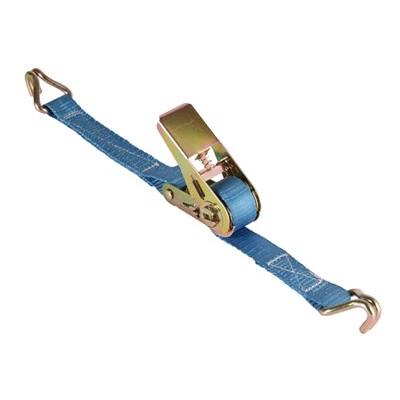
As a leading supplier of marine ratchet straps, I understand the critical role that a well - functioning ratchet mechanism plays in ensuring the safety and efficiency of cargo securing on vessels. In this blog, I'll share some essential tips on how to ensure the ratchet mechanism of marine ratchet straps works smoothly.
Understanding the Ratchet Mechanism
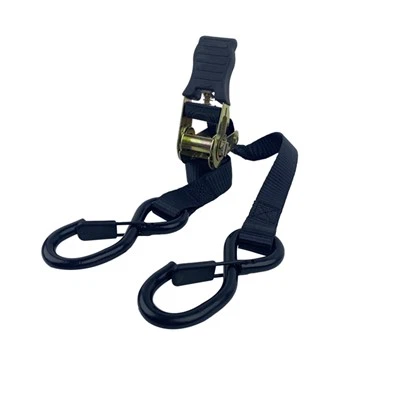
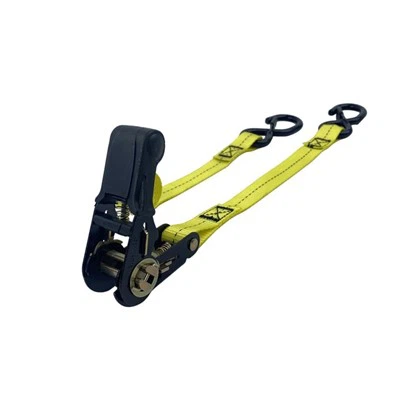
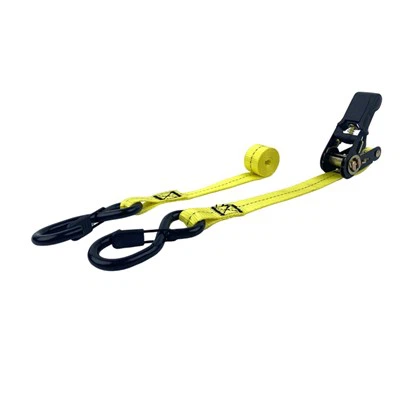
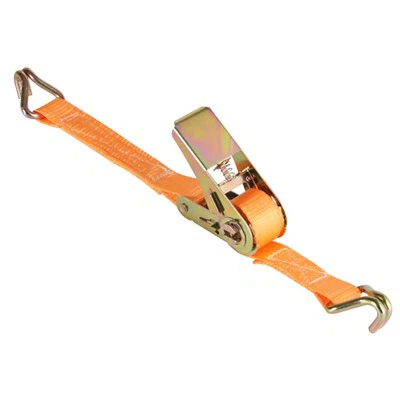
Before delving into maintenance and operation tips, it's crucial to understand how the ratchet mechanism of marine ratchet straps works. The ratchet is a mechanical device that allows the strap to be tightened and locked in place. It consists of a gear, pawl, and handle. When the handle is turned, the gear rotates, pulling the strap through and tightening it. The pawl engages with the gear teeth, preventing the gear from reversing and keeping the strap tight.
Regular Inspection
Regular inspection is the first step in ensuring the smooth operation of the ratchet mechanism. Here's what you should look for:
- Visual Inspection: Check the ratchet for any signs of damage, such as cracks, bent parts, or excessive wear. Pay special attention to the gear teeth and the pawl. If the gear teeth are worn or damaged, the ratchet may not engage properly, leading to a loose strap.
- Lubrication Inspection: The ratchet mechanism needs to be lubricated regularly to reduce friction and ensure smooth operation. Check the lubrication level and the condition of the lubricant. If the lubricant is dirty or has dried out, it should be replaced.
Proper Lubrication
Lubrication is essential for the smooth operation of the ratchet mechanism. Here are some guidelines on how to lubricate the ratchet:
- Choose the Right Lubricant: Use a high - quality lubricant that is suitable for marine environments. A lubricant that is resistant to water, salt, and corrosion is ideal. Silicone - based lubricants are often a good choice as they provide long - lasting lubrication and are resistant to environmental factors.
- Apply the Lubricant Correctly: Apply the lubricant to the gear, pawl, and other moving parts of the ratchet. Use a small brush or a spray can to ensure even coverage. Be careful not to over - lubricate, as excess lubricant can attract dirt and debris, which can cause the ratchet to malfunction.
Correct Operation
Proper operation of the ratchet mechanism is also crucial for its smooth functioning. Here are some tips on how to operate the ratchet correctly:
- Tightening the Strap: When tightening the strap, make sure to turn the handle in the correct direction. Most ratchets have a clearly marked direction of rotation. Turn the handle slowly and steadily to avoid over - tightening or causing damage to the ratchet mechanism.
- Releasing the Strap: To release the strap, disengage the pawl from the gear. This is usually done by pulling a lever or pressing a button on the ratchet. Make sure to release the tension on the strap gradually to avoid sudden movements.
Storage and Handling
Proper storage and handling of marine ratchet straps can also affect the performance of the ratchet mechanism. Here are some tips:
- Store in a Dry Place: When not in use, store the ratchet straps in a dry, cool place. Moisture can cause rust and corrosion, which can damage the ratchet mechanism.
- Avoid Overloading: Do not exceed the rated capacity of the ratchet straps. Overloading can put excessive stress on the ratchet mechanism, leading to premature wear and failure.
Complementary Products
As a marine ratchet strap supplier, we also offer a range of complementary products that can enhance the performance and safety of your cargo securing. You can explore our Cargo Straps For Trailers, which are designed for various trailer applications. Our 1000 Lb Ratchet Straps provide reliable strength for heavier loads, and the Short Tie Down Straps with Hooks are perfect for securing smaller items.
Troubleshooting
Even with proper maintenance and operation, the ratchet mechanism may sometimes encounter problems. Here are some common issues and solutions:
- Ratchet Won't Tighten: If the ratchet won't tighten, check if the gear teeth are clean and undamaged. If they are dirty, clean them with a brush and re - lubricate the ratchet. If the gear teeth are damaged, the ratchet may need to be replaced.
- Ratchet Won't Release: If the ratchet won't release, check if the pawl is stuck. Try gently tapping the ratchet to free the pawl. If the problem persists, disassemble the ratchet and clean the pawl and gear.
Importance of Quality
Investing in high - quality marine ratchet straps is essential for ensuring the smooth operation of the ratchet mechanism. High - quality straps are made from durable materials and are designed to withstand the harsh marine environment. They also have well - engineered ratchet mechanisms that are less likely to malfunction.
Training and Education
Proper training and education of the users are also important. Make sure that the people who use the marine ratchet straps are trained on how to operate the ratchet mechanism correctly, how to perform regular inspections, and how to troubleshoot common problems.
Conclusion
Ensuring the smooth operation of the ratchet mechanism of marine ratchet straps is crucial for the safety and efficiency of cargo securing on vessels. By following the tips mentioned above, including regular inspection, proper lubrication, correct operation, and proper storage, you can keep your ratchet mechanism in good working condition.


If you are in the market for high - quality marine ratchet straps or have any questions about our products, we encourage you to reach out. We are committed to providing the best products and services to meet your cargo securing needs. Let's start a conversation about your requirements and how our marine ratchet straps can be the solution for you.
References
- Marine Equipment Manuals
- Industry Standards for Cargo Securing