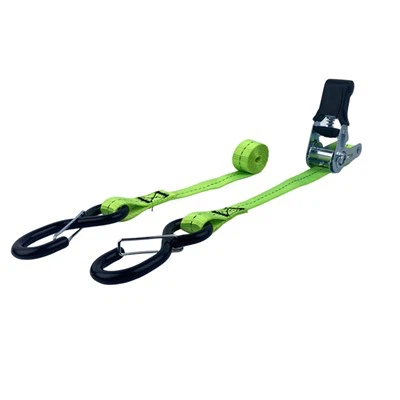
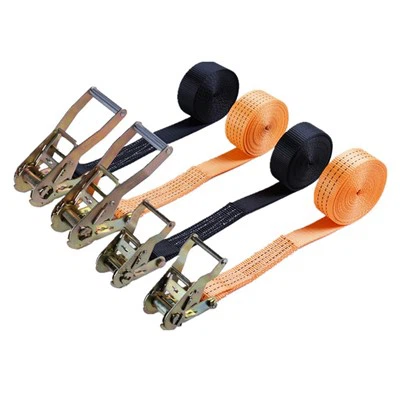
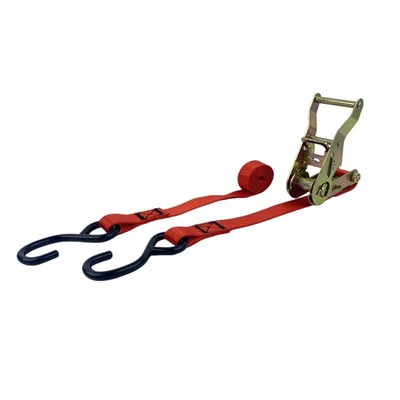
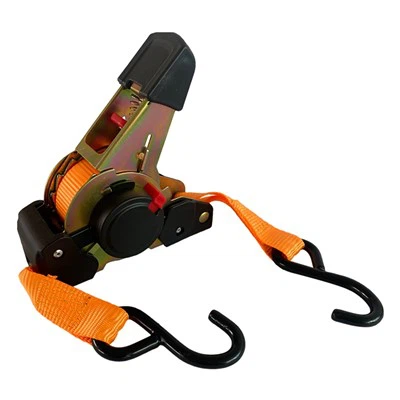
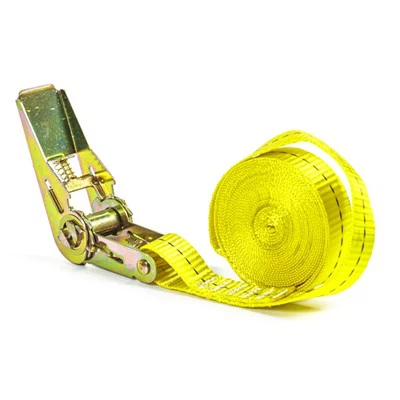
As a supplier of high-quality ratchet straps, I understand the paramount importance of ensuring the safety of using these essential tools. Ratchet straps are widely used in various industries, including transportation, logistics, and construction, to secure loads and prevent them from shifting during transit. However, improper use of ratchet straps can lead to serious accidents, injuries, and property damage. In this blog post, I will share some valuable tips and guidelines on how to ensure the safety of using high-quality ratchet straps.
Choose the Right Ratchet Straps
The first step in ensuring the safety of using ratchet straps is to choose the right ones for the job. Not all ratchet straps are created equal, and it's crucial to select straps that are appropriate for the weight, size, and shape of the load you need to secure. Here are some factors to consider when choosing ratchet straps:
- Working Load Limit (WLL): The WLL is the maximum weight that a ratchet strap can safely secure under normal conditions. It's important to choose straps with a WLL that exceeds the weight of the load to ensure a safe margin of safety. For example, if you need to secure a load that weighs 1,000 pounds, you should choose ratchet straps with a WLL of at least 1,500 pounds.
- Breaking Strength: The breaking strength is the minimum amount of force required to break a ratchet strap. While the WLL is the safe working limit, the breaking strength provides an additional margin of safety. It's recommended to choose ratchet straps with a breaking strength that is at least three times the WLL.
- Strap Material: Ratchet straps are typically made from polyester, nylon, or polypropylene. Each material has its own unique properties and advantages. Polyester is the most common material used for ratchet straps because it is strong, durable, and resistant to UV rays and chemicals. Nylon is also a popular choice because it is stretchy and can absorb shock. Polypropylene is lightweight and inexpensive, but it is not as strong or durable as polyester or nylon.
- Strap Width: The width of the ratchet strap affects its strength and load capacity. Wider straps are generally stronger and can handle heavier loads than narrower straps. It's recommended to choose ratchet straps with a width of at least 2 inches for most applications.
Inspect the Ratchet Straps Before Use
Before using ratchet straps, it's important to inspect them carefully for any signs of damage or wear. Damaged or worn ratchet straps can fail under stress, leading to serious accidents. Here are some things to look for when inspecting ratchet straps:
- Cuts, Tears, or Abrasions: Check the straps for any cuts, tears, or abrasions. These can weaken the straps and reduce their strength. If you find any cuts, tears, or abrasions, do not use the straps and replace them immediately.
- Frayed Edges: Frayed edges can also weaken the straps and reduce their strength. If you find any frayed edges, trim them off with a pair of scissors or replace the straps.
- Loose or Damaged Hardware: Check the ratchet mechanism, hooks, and other hardware for any signs of damage or wear. Loose or damaged hardware can cause the straps to come loose or fail under stress. If you find any loose or damaged hardware, do not use the straps and replace them immediately.
- UV Damage: If the ratchet straps have been exposed to sunlight for an extended period of time, they may have suffered UV damage. UV damage can weaken the straps and reduce their strength. If you suspect that the straps have suffered UV damage, do not use them and replace them immediately.
Use the Ratchet Straps Correctly
Once you have chosen the right ratchet straps and inspected them for any signs of damage or wear, it's important to use them correctly. Here are some tips on how to use ratchet straps safely:
- Position the Straps Correctly: The ratchet straps should be positioned in a way that distributes the weight of the load evenly and prevents it from shifting. The straps should be attached to the load at the appropriate points and tightened securely.
- Use the Right Knots: When attaching the ratchet straps to the load, it's important to use the right knots. The knots should be secure and easy to untie. Some common knots used for ratchet straps include the bowline, the clove hitch, and the trucker's hitch.
- Tighten the Straps Properly: The ratchet straps should be tightened properly to ensure that the load is secure. The straps should be tightened until they are snug but not too tight. Over-tightening the straps can damage the load or the straps themselves.
- Check the Tension Regularly: Once the ratchet straps are tightened, it's important to check the tension regularly to ensure that the load is still secure. The tension may loosen over time due to vibration or movement, so it's important to re-tighten the straps if necessary.
Store the Ratchet Straps Properly
When not in use, it's important to store the ratchet straps properly to prevent damage and ensure their longevity. Here are some tips on how to store ratchet straps safely:
- Clean the Straps: Before storing the ratchet straps, it's important to clean them thoroughly to remove any dirt, debris, or chemicals. You can use a mild detergent and water to clean the straps, and then rinse them thoroughly and let them dry completely.
- Coil the Straps: After cleaning the ratchet straps, it's important to coil them properly to prevent tangling and damage. You can use a strap coiler or simply coil the straps by hand. Make sure to leave enough slack in the coils to prevent them from becoming too tight.
- Store the Straps in a Dry Place: Ratchet straps should be stored in a dry place to prevent them from getting wet and developing mold or mildew. You can store the straps in a toolbox, a storage cabinet, or a shed.
- Inspect the Straps Regularly: Even when stored properly, ratchet straps can still deteriorate over time. It's important to inspect the straps regularly for any signs of damage or wear and replace them if necessary.
Conclusion
In conclusion, ensuring the safety of using high-quality ratchet straps is essential to prevent accidents, injuries, and property damage. By choosing the right ratchet straps, inspecting them before use, using them correctly, and storing them properly, you can ensure that your ratchet straps will provide reliable and safe performance for years to come.
If you are in the market for high-quality ratchet straps, I encourage you to explore our wide range of products. We offer a variety of Automotive Tie Down Straps, Vehicle Tie Down Straps For Trailer, and Auto Retractable Straps that are designed to meet the needs of various industries and applications. Our ratchet straps are made from high-quality materials and are built to last.
If you have any questions or would like to discuss your specific requirements, please feel free to contact us. We are here to help you find the right ratchet straps for your needs and ensure that you use them safely and effectively.


References
- "Ratchet Straps: How to Choose, Use, and Maintain Them." The Spruce, https://www.thespruce.com/how-to-choose-use-and-maintain-ratchet-straps-4175083.
- "Safety Tips for Using Ratchet Straps." eHow, https://www.ehow.com/how_4761248_safety-tips-using-ratchet-straps.html.
- "Ratchet Straps: A Guide to Safe Use." WorkSafeBC, https://www.worksafebc.com/en/advice-resources/health-safety-topics/equipment/ratchet-straps.