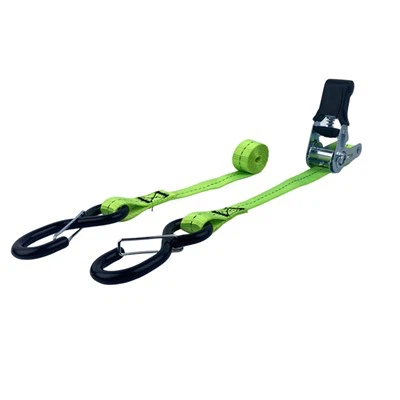
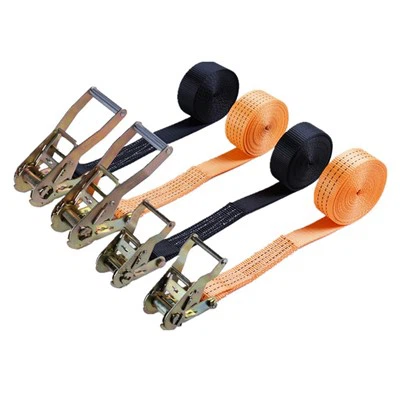
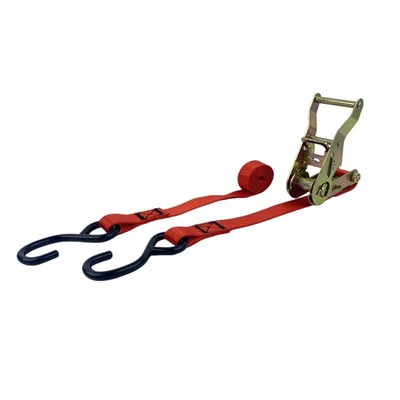
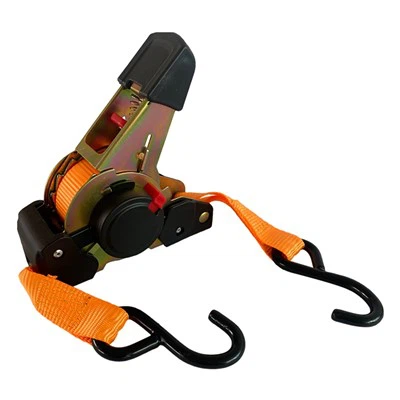
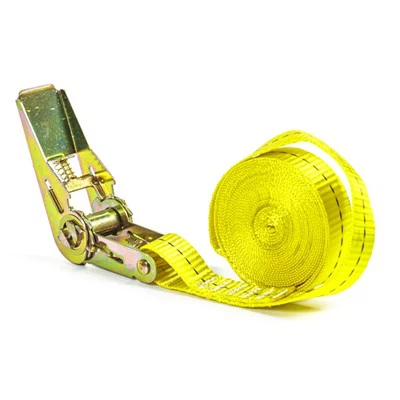
Saltwater can have a significant impact on cargo buckle ratchet straps, which are essential tools for securing loads during transportation. As a supplier of Cargo Buckle Ratchet Straps, I have witnessed firsthand the challenges that saltwater exposure can pose to these crucial straps. In this blog, we will explore the various effects of saltwater on cargo buckle ratchet straps and discuss how to mitigate these issues.
Corrosion of Metal Components
One of the most prominent effects of saltwater on cargo buckle ratchet straps is the corrosion of metal components. Most ratchet straps feature metal buckles, hooks, and ratchet mechanisms, which are susceptible to rust and corrosion when exposed to saltwater. Saltwater contains a high concentration of dissolved salts, primarily sodium chloride, which can accelerate the oxidation process of metals.
When metal components come into contact with saltwater, a chemical reaction occurs, leading to the formation of rust. Rust weakens the structural integrity of the metal, making it more prone to breakage and failure. In the case of cargo buckle ratchet straps, corroded buckles and hooks may not be able to hold the load securely, increasing the risk of accidents during transportation.
To illustrate the severity of corrosion, consider a scenario where a set of ratchet straps is used to secure a heavy load on a trailer that is transported near the coast. If the straps are exposed to salt spray or splashes of saltwater, the metal components will start to corrode over time. Eventually, the corrosion may become so severe that the buckles or hooks break, causing the load to shift or fall off the trailer.
Degradation of Webbing Material
In addition to corroding metal components, saltwater can also degrade the webbing material of cargo buckle ratchet straps. The webbing is typically made of synthetic materials such as polyester or nylon, which are known for their strength and durability. However, prolonged exposure to saltwater can weaken the fibers of the webbing, reducing its tensile strength and abrasion resistance.
Saltwater contains various chemicals and minerals that can react with the webbing material, causing it to become brittle and prone to tearing. The high salt content can also cause the webbing to absorb moisture, which can lead to the growth of mold and mildew. Mold and mildew not only weaken the webbing but also pose a health hazard to those handling the straps.
For example, if a set of ratchet straps is left in a saltwater environment for an extended period, the webbing may start to show signs of degradation. The straps may become discolored, and the fibers may start to fray. As the degradation progresses, the webbing may lose its ability to support the load, increasing the risk of strap failure.
Impact on Ratchet Mechanism
The ratchet mechanism is another critical component of cargo buckle ratchet straps that can be affected by saltwater. The ratchet is responsible for tightening and releasing the strap, allowing the user to adjust the tension as needed. However, saltwater can cause the ratchet mechanism to seize up or malfunction, making it difficult or impossible to operate the strap.
When saltwater enters the ratchet mechanism, it can cause the gears and other moving parts to corrode and become stuck. This can prevent the ratchet from engaging or disengaging properly, rendering the strap ineffective. In some cases, the ratchet may become so damaged that it needs to be replaced, which can be costly and time-consuming.
Imagine a situation where a driver is trying to secure a load using a set of ratchet straps that have been exposed to saltwater. If the ratchet mechanism is seized up, the driver will not be able to tighten the straps properly, leaving the load unsecured. This can lead to dangerous driving conditions and increase the risk of accidents on the road.
Prevention and Mitigation Strategies
Given the potential risks associated with saltwater exposure, it is essential to take steps to prevent and mitigate the effects of saltwater on cargo buckle ratchet straps. Here are some strategies that can help:
- Proper Cleaning and Maintenance: After each use, it is important to clean the ratchet straps thoroughly to remove any saltwater, dirt, or debris. Use a mild detergent and water to wash the straps, and rinse them thoroughly to ensure that all the soap is removed. Allow the straps to dry completely before storing them.
- Use of Corrosion-Resistant Materials: When purchasing cargo buckle ratchet straps, look for products that are made with corrosion-resistant materials. Some manufacturers offer straps with stainless steel buckles and hooks, which are more resistant to rust and corrosion than traditional steel components. Additionally, consider using straps with a protective coating on the webbing to prevent saltwater from penetrating the fibers.
- Regular Inspection: Regularly inspect the ratchet straps for signs of corrosion, degradation, or damage. Check the metal components for rust, cracks, or other signs of wear, and examine the webbing for fraying, discoloration, or mold growth. If any issues are detected, replace the damaged parts or the entire strap immediately.
- Storage in a Dry Environment: When not in use, store the ratchet straps in a dry, cool place away from saltwater and other corrosive substances. Avoid leaving the straps outside or in a damp area, as this can increase the risk of corrosion and degradation.
Conclusion
In conclusion, saltwater can have a significant impact on cargo buckle ratchet straps, affecting both the metal components and the webbing material. Corrosion of metal components can lead to breakage and failure, while degradation of the webbing can reduce its strength and durability. The ratchet mechanism can also be affected by saltwater, causing it to malfunction and rendering the strap ineffective.
As a supplier of Cargo Buckle Ratchet Straps, I understand the importance of providing high-quality products that can withstand the harsh conditions of transportation. By taking the necessary precautions to prevent and mitigate the effects of saltwater, you can ensure the safety and reliability of your cargo during transit.


If you are in the market for reliable and durable cargo buckle ratchet straps, we invite you to explore our extensive range of products. Our Vehicle Tie Down Straps For Trailer and Best Utv Tie Down Straps are designed to meet the highest standards of quality and performance. Contact us today to discuss your specific requirements and let us help you find the perfect solution for your cargo securing needs.
References
- ASTM International. (2021). Standard Specification for Synthetic Web Tie-Down Straps. ASTM D6166-21.
- Federal Motor Carrier Safety Administration. (2021). Cargo Securement Rules. FMCSA Regulations 393.100 - 393.136.
- National Highway Traffic Safety Administration. (2021). Guidelines for Securing Cargo on Commercial Motor Vehicles. NHTSA Publication No. DOT HS 813 073.