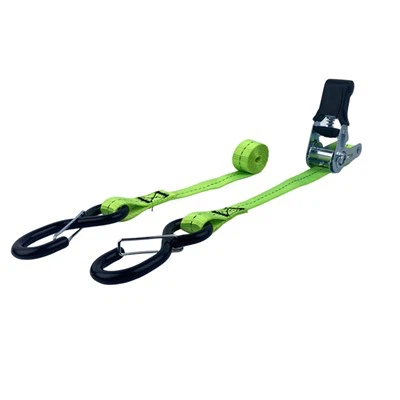
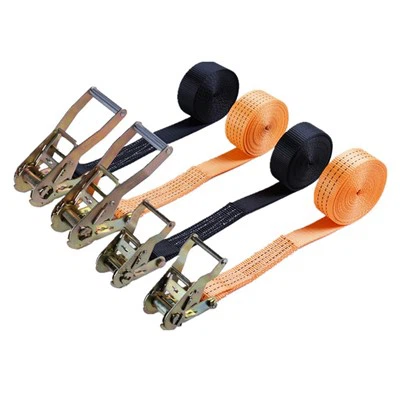
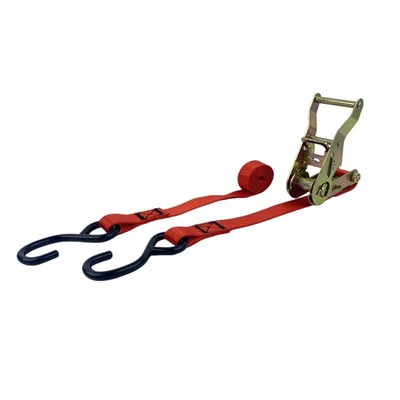
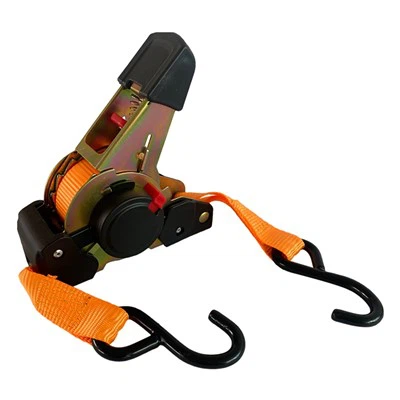
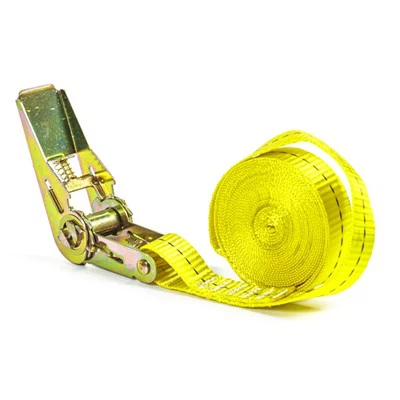
Hey there! As a supplier of automotive tie down straps, I get asked all the time, "How do I know if an automotive tie down strap is strong enough?" Well, you've come to the right place. In this blog, I'm gonna break it down for you and give you the lowdown on how to make sure your tie down straps can handle the job.
Understanding Weight Capacity
The first thing you need to look at is the weight capacity of the tie down strap. Every strap is rated for a specific amount of weight it can safely hold. This rating is usually called the Working Load Limit (WLL). It's super important to understand that the WLL is not the same as the breaking strength. The breaking strength is the amount of force it takes to actually break the strap, but the WLL is a much lower, safer number that you should never exceed.
For example, if you're planning to secure a heavy piece of machinery that weighs around 2 tons, you'll need a strap with a WLL that can handle at least that much weight. That's where our 5 Ton Straps come in handy. These bad boys are designed to handle heavy loads with ease, giving you peace of mind knowing your cargo is secure.
Material Matters
The material of the tie down strap plays a huge role in its strength. There are different types of materials used in making these straps, and each has its own pros and cons.
- Nylon: Nylon is a popular choice because it's strong, flexible, and has some stretch. This stretch can be a good thing as it helps absorb shock and vibrations during transit. However, it can also be a drawback if you need a strap that doesn't stretch at all.
- Polyester: Polyester straps are known for their low stretch and high strength. They're resistant to rot, mildew, and UV rays, making them a great option for outdoor use. They're also less likely to stretch over time, which means they'll keep your cargo secure for longer.
- Chain: Chain tie down straps are the strongest option out there. They're made of heavy-duty steel and can handle extremely heavy loads. However, they're also the heaviest and most expensive option, and they require more maintenance than other types of straps.
Inspecting the Strap
Before you use any tie down strap, it's crucial to inspect it for any signs of damage. Look for cuts, frays, or tears in the strap material. Even a small cut can weaken the strap and make it unsafe to use. Check the hooks and buckles as well. Make sure they're not bent, cracked, or rusted. If you notice any damage, don't use the strap. It's better to be safe than sorry.
If you're in the market for high-quality hooks, check out our Heavy Duty Tie Down Hooks. These hooks are built to last and can handle the toughest jobs.

Using the Right Tensioner
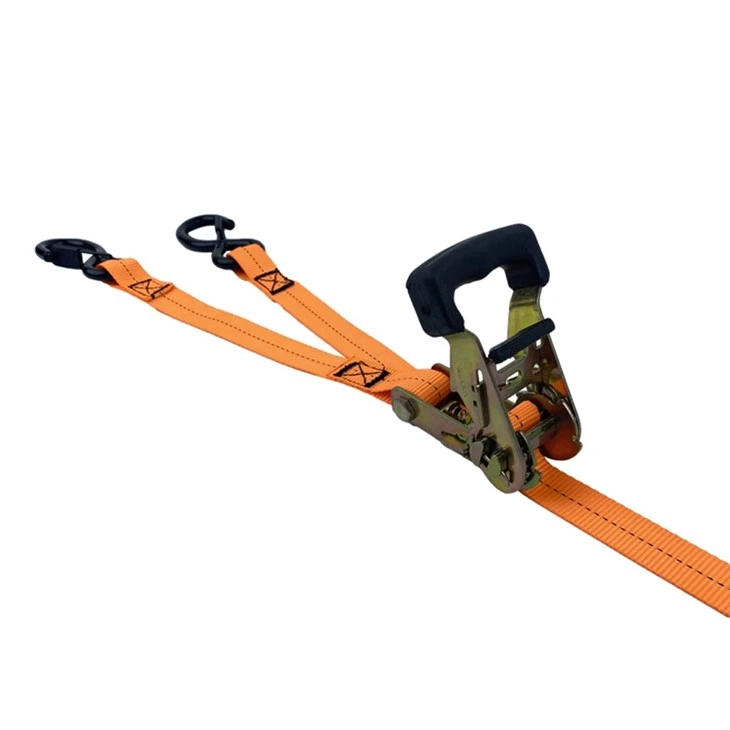
A ratchet strap tensioner is an essential tool for securing your cargo. It allows you to tighten the strap to the right amount of tension, ensuring that your cargo stays in place. But not all tensioners are created equal.
When choosing a ratchet strap tensioner, look for one that's easy to use and has a high-quality mechanism. Our Ratchet Strap Tensioner is designed to be user-friendly and reliable. It makes it easy to tighten and loosen the strap, even when you're dealing with heavy loads.
Testing the Strap
Once you've secured your cargo with the tie down strap, it's a good idea to give it a little test. Gently tug on the strap to see if it holds. If it feels loose or if the cargo moves, you may need to tighten the strap some more. It's also a good idea to check the strap periodically during transit to make sure it's still secure.
Consider the Application
The type of application you're using the tie down strap for also matters. If you're securing a small, lightweight item, you may not need a heavy-duty strap. But if you're transporting a large, heavy piece of equipment, you'll need a strap that can handle the weight and the stress.
For example, if you're tying down a motorcycle, you'll need a strap that's strong enough to hold the bike in place but also flexible enough to wrap around the frame without causing damage. On the other hand, if you're securing a shipping container, you'll need a heavy-duty strap that can handle the weight and the movement of the container.
Industry Standards
It's important to make sure that the tie down straps you're using meet industry standards. There are different standards and regulations in place to ensure the safety of cargo transportation. Look for straps that are certified by recognized organizations such as the Department of Transportation (DOT) or the National Highway Traffic Safety Administration (NHTSA).
Conclusion
So, there you have it! That's how you can tell if an automotive tie down strap is strong enough. By considering the weight capacity, material, inspecting the strap, using the right tensioner, testing the strap, and thinking about the application, you can make sure that your cargo is secure and safe during transit.
If you have any questions or if you're interested in purchasing high-quality automotive tie down straps, don't hesitate to reach out. We're here to help you find the right solution for your needs. Whether you're a professional trucker, a DIY enthusiast, or a business owner, we have the products and expertise to keep your cargo secure.
References
- Department of Transportation (DOT) regulations
- National Highway Traffic Safety Administration (NHTSA) guidelines