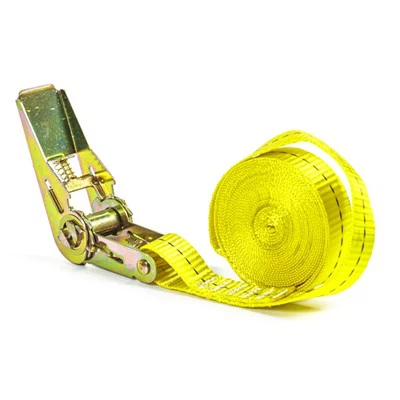
What materials are ratchet strap tensioners made of?
Hey there! I'm a supplier of ratchet strap tensioners. If you're involved in cargo securing, you've probably used or at least heard of these nifty tools. Ratchet strap tensioners are crucial for tying down and securing loads, ensuring they stay in place during transport. One question I often get asked is about the materials these tensioners are made of. So, let's dive right into it.
Steel
Steel is one of the most common materials used in making ratchet strap tensioners. It's a go - to choice for several reasons. First off, steel is incredibly strong. When you're dealing with heavy loads, you need a tensioner that can withstand a significant amount of force without breaking. Whether you're securing large machinery on a flatbed truck or heavy boxes in a moving van, a steel ratchet strap tensioner can handle the pressure.
There are different types of steel used. Carbon steel is a popular option. It's relatively inexpensive and has good strength properties. However, it can be prone to rust if not properly treated. That's why many steel tensioners are coated with a layer of zinc or another protective material. This galvanization process creates a barrier that prevents moisture from reaching the steel, thus reducing the risk of rust.
Stainless steel is another type used in high - end ratchet strap tensioners. It has excellent corrosion resistance, which makes it ideal for outdoor use or in harsh environments. For example, if you're using the tensioners in a marine setting where saltwater can quickly corrode regular steel, stainless steel is the way to go. It ensures a longer lifespan for the tensioner, making it a great investment in the long run.
Check out our selection of Ratchet Straps and Tie Downs for some high - quality steel ratchet strap tensioners.
Aluminum
Aluminum is also a widely used material for ratchet strap tensioners. One of the biggest advantages of aluminum is its lightweight nature. If you're constantly moving and adjusting your ratchet straps, having a lightweight tensioner can make the job a whole lot easier. It reduces fatigue, especially when you're working for long periods.
Despite its lightness, aluminum is still quite strong. Modern alloying techniques have made aluminum tensioners capable of handling a decent amount of load. It's also corrosion - resistant, which means it doesn't rust like steel. This makes it suitable for a variety of applications, whether it's for a small trailer or a large industrial truck.
The manufacturing process for aluminum tensioners is often more precise and can result in a more aesthetically pleasing product. The smooth finish of aluminum gives it a modern look, which is also appealing to many customers. You can find a great range of Truck Ratchet Tie Down Straps with aluminum tensioners on our website.


Plastic
Plastic is used in some ratchet strap tensioners, especially for lighter - duty applications. There are different types of plastics used, such as polypropylene and nylon. Polypropylene is a common choice because it's inexpensive and lightweight. It's often used in ratchet strap tensioners for consumer - grade applications, like securing camping gear or small boxes during a move.
Nylon, on the other hand, is stronger and more durable. It has good resistance to abrasion and can handle a bit more stress compared to polypropylene. However, nylon is also more expensive. Plastic tensioners are easy to clean and maintain. They're also resistant to many chemicals, which makes them suitable for use in various environments.
If you're looking for light - duty Box Truck Ratchet Straps with plastic ratchet strap tensioners, we've got you covered.
Composite Materials
In recent years, composite materials have started to make their way into the ratchet strap tensioner market. Composite materials are made by combining different materials to create a product with enhanced properties. For example, some composites may combine a strong core material with a protective outer layer.
These materials can offer a unique combination of strength, lightweight, and corrosion resistance. They can be customized to meet specific requirements, such as for use in specialized industries or for unique load - securing needs. However, composite materials are often more expensive than traditional materials like steel, aluminum, or plastic.
Choosing the Right Material
When it comes to choosing the right material for your ratchet strap tensioner, there are a few things to consider. First, think about the load you'll be securing. If you're dealing with heavy, large items, a steel or high - strength aluminum tensioner might be the best choice. For lighter loads, a plastic or composite tensioner could be sufficient.
The environment in which you'll be using the tensioner is also important. If it's an outdoor or marine environment, corrosion - resistant materials like stainless steel, aluminum, or composite materials are preferable. If you're working indoors or in a relatively clean environment, carbon steel or plastic might be okay.
Cost is another factor. Steel and plastic tend to be more budget - friendly, while stainless steel, aluminum, and composite materials can be more expensive. But remember, a higher - quality material might save you money in the long run by lasting longer and requiring less maintenance.
Conclusion
So, there you have it! Ratchet strap tensioners can be made from a variety of materials, each with its own set of advantages and disadvantages. Whether you need a heavy - duty steel tensioner for industrial use or a lightweight plastic one for personal use, we've got a wide range of options available.
If you're interested in purchasing ratchet strap tensioners or have any questions about which material is right for your needs, don't hesitate to reach out. We're here to help you make the best choice for your cargo - securing requirements.
References
- General knowledge about materials science and engineering in the context of ratchet strap tensioners.
- Industry experience as a supplier of ratchet strap tensioners.