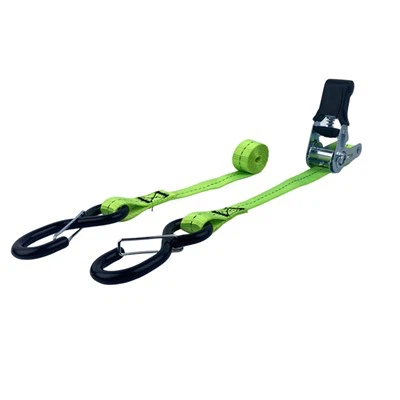
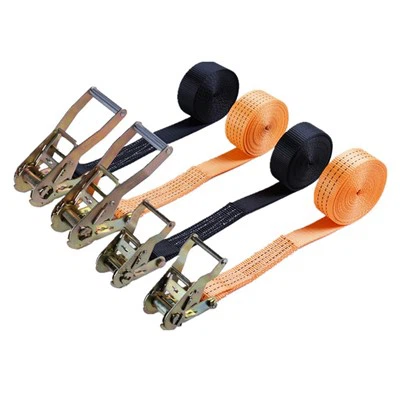
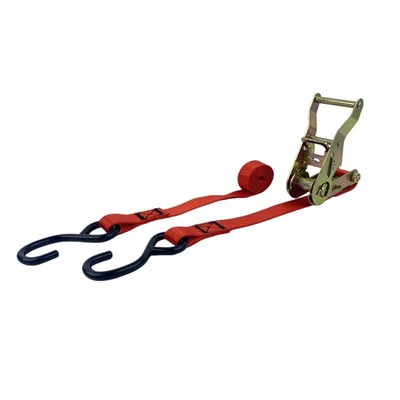
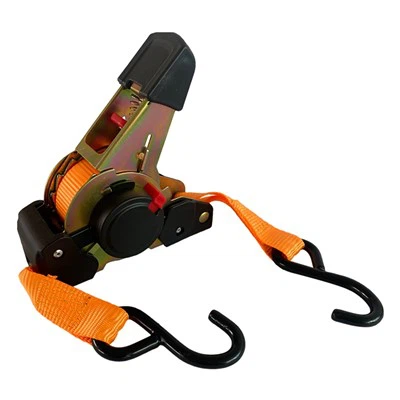
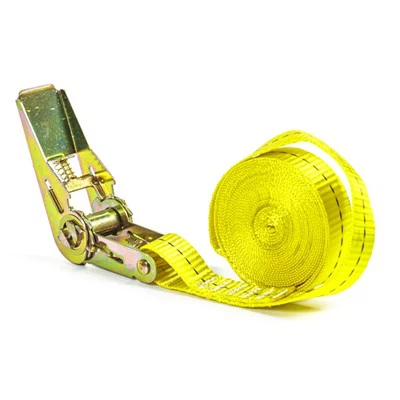
Tractor tie down straps are essential tools for securing tractors during transportation. They prevent tractors from shifting, sliding, or tipping over, ensuring a safe journey from one place to another. As a supplier of tractor tie down straps, I often get asked about the materials these straps are made of. In this blog, I'll break down the common materials used in tractor tie down straps, their pros and cons, and which might be the best fit for your needs.
Polyester
Polyester is one of the most popular materials for tractor tie down straps. It's strong, durable, and resistant to many environmental factors.
Strength and Durability: Polyester has a high tensile strength, which means it can handle heavy loads without breaking easily. This is crucial when securing large and heavy tractors. It also has good abrasion resistance, so it can withstand the friction that occurs when the strap rubs against the tractor or other surfaces during transit.
Weather Resistance: Polyester is resistant to moisture, UV rays, and mildew. This makes it suitable for outdoor use, even in harsh weather conditions. Whether you're transporting a tractor in the hot sun or through the rain, polyester straps will maintain their integrity.
Elasticity: Polyester has relatively low elasticity compared to some other materials. This is an advantage when it comes to securing a tractor because it means the strap won't stretch and lose its tension over time. You can trust that your tractor will stay firmly in place.
However, polyester straps can be more expensive than some other options. But considering their long lifespan and reliability, they're often worth the investment. If you're looking for high - quality straps, you can check out our High Quality Ratchet Straps.
Nylon
Nylon is another well - known material for tie down straps.
Strength: Nylon is also very strong and can handle significant weight. It has a high strength - to - weight ratio, which means you can get a lot of strength from a relatively lightweight strap.
Elasticity: One of the unique features of nylon is its elasticity. It can stretch under load and then return to its original shape. This can be beneficial in some situations, such as when the tractor experiences vibrations during transportation. The elasticity can help absorb these shocks and prevent the strap from breaking.
Cost: Nylon straps are generally more affordable than polyester straps. This makes them a popular choice for those on a budget.
But nylon has some drawbacks. It's more prone to UV damage and moisture absorption compared to polyester. Over time, exposure to sunlight can weaken the nylon, and if it gets wet and isn't dried properly, it can develop mildew.
Polypropylene
Polypropylene is a lightweight and inexpensive option for tractor tie down straps.
Cost - Effectiveness: Polypropylene is one of the most affordable materials for tie down straps. If you need a large number of straps or are on a tight budget, polypropylene might be the way to go.
Lightweight: The lightweight nature of polypropylene makes it easy to handle. You can quickly attach and remove the straps without much effort.
However, polypropylene has some limitations. It has lower strength compared to polyester and nylon, so it may not be suitable for securing extremely heavy tractors. It's also more susceptible to UV damage, which can cause it to become brittle and break over time.
Chain
Chain tie down straps are a heavy - duty option for securing tractors.
Strength: Chains are incredibly strong and can handle the heaviest of tractors. They're less likely to break under extreme loads compared to fabric straps.
Durability: Chains are highly resistant to abrasion, cutting, and environmental factors. They can last a long time, even with frequent use.

Adjustability: Chains can be easily adjusted to the desired length using chain binders. This allows for a precise fit when securing the tractor.
But chains are heavy and can be difficult to handle. They're also more expensive than fabric straps and can scratch the tractor's surface if not used with proper protectors.
Wire Rope
Wire rope is another heavy - duty option similar to chains.
Strength: Wire rope has high tensile strength and can withstand heavy loads. It's often used in industrial applications where maximum strength is required.

Flexibility: Unlike chains, wire rope is more flexible, which can make it easier to route around the tractor and secure it in different positions.
However, wire rope can be prone to corrosion if not properly maintained. It also requires special hardware for attachment, which can add to the cost.
Choosing the Right Material
When choosing the material for your tractor tie down straps, you need to consider several factors:
Load Capacity: The weight of the tractor is the most important factor. For heavy tractors, materials like polyester, chain, or wire rope are better choices. If you're dealing with lighter tractors, nylon or polypropylene might be sufficient.
Environment: If the tractor will be transported in harsh weather conditions or exposed to sunlight for long periods, materials with good weather resistance like polyester are recommended.

Budget: Your budget will also play a role. If you're on a tight budget, polypropylene or nylon might be more suitable. But if you can afford it, investing in high - quality polyester or chain straps can save you money in the long run.
At our company, we offer a wide range of tractor tie down straps made from different materials. Our Auto Retractable Straps are convenient and easy to use, while our Heavy Ratchet Straps are perfect for heavy - duty applications.
If you're in the market for tractor tie down straps, I encourage you to get in touch with us. We can help you choose the right material and type of strap for your specific needs. Whether you're a farmer transporting a tractor to a new field or a logistics company moving multiple tractors, we've got you covered. Contact us today to start the procurement process and ensure your tractors are safely secured during transportation.
References
- "The Handbook of Rigging" by Andy Smith
- "Tie - Down Straps: A Comprehensive Guide" by Mark Johnson