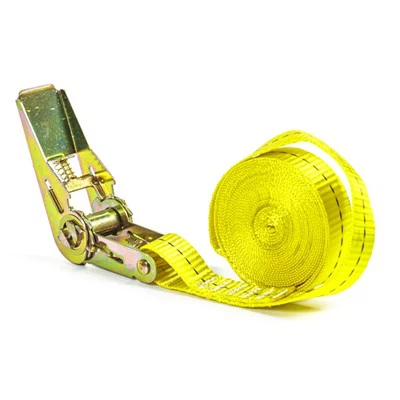
When it comes to securing cargo on marine vessels, ratchet straps are an indispensable tool. As a seasoned supplier of Marine Ratchet Straps, I've witnessed firsthand the importance of using these products safely and effectively. In this blog post, I'll share some crucial safety precautions that should be taken when using marine ratchet straps to ensure the well - being of both the cargo and the personnel involved.
1. Pre - use Inspection
Before using any marine ratchet strap, a thorough pre - use inspection is essential. This step can prevent many potential hazards during the securing process.
- Strap Material Check: Inspect the strap for any signs of wear, such as fraying, cuts, or abrasions. Over time, the constant exposure to harsh marine environments can damage the strap material. UV rays, saltwater, and rough handling can all contribute to the degradation of the strap. If any damage is detected, the strap should be immediately replaced. A damaged strap may not be able to withstand the tension required to secure the cargo, leading to a potential failure.
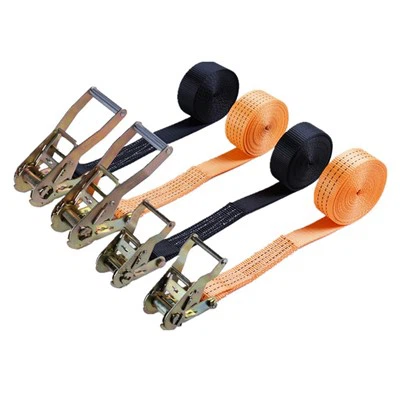
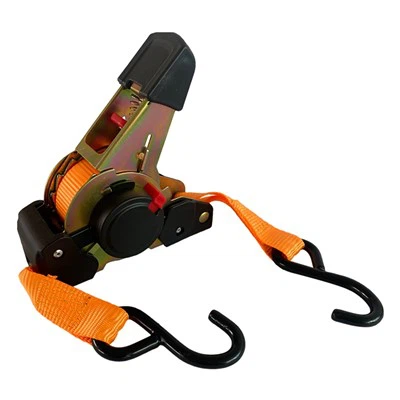
- Ratchet Mechanism Inspection: Examine the ratchet mechanism carefully. Make sure that the teeth are in good condition and that the pawl engages smoothly. The ratchet should operate freely without any signs of binding or excessive resistance. A faulty ratchet can make it difficult to tighten the strap properly or may cause the strap to loosen unexpectedly. You can test the ratchet by opening and closing it a few times and checking for any unusual noises or movements.
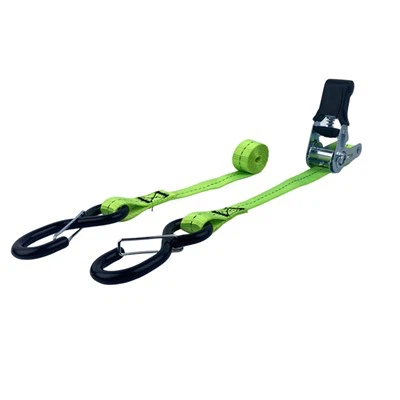
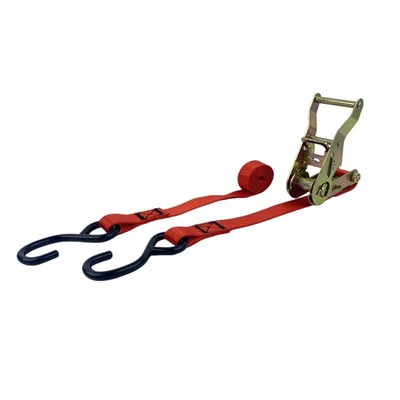
- Hook Examination: The hooks are the connection points between the strap and the cargo or the vessel. Check for any cracks, bends, or corrosion on the hooks. A damaged hook can break under stress, causing the strap to come loose. Ensure that the hooks are of the appropriate size and type for the application. For more information on heavy - duty tie - down hooks, you can visit Heavy Duty Tie Down Hooks.
2. Proper Selection of Straps
Choosing the right marine ratchet strap for the job is crucial for safety.
- Weight Capacity: Determine the weight of the cargo that needs to be secured. Select a strap with a working load limit (WLL) that exceeds the weight of the cargo. The WLL is the maximum weight that the strap can safely handle under normal conditions. It's important not to exceed this limit, as doing so can lead to strap failure. Our company offers a wide range of straps with different weight capacities to meet various needs. You can explore our Cargo Equipment Straps to find the right one for your cargo.
- Length and Width: The length of the strap should be sufficient to reach from the attachment point on the vessel to the cargo and allow for proper tightening. A strap that is too short may not be able to secure the cargo effectively, while a strap that is too long can be difficult to manage and may pose a tripping hazard. The width of the strap also matters. Wider straps generally distribute the load more evenly, reducing the risk of damage to the cargo and the strap itself.
3. Correct Installation
Proper installation of marine ratchet straps is vital for ensuring their effectiveness.
- Positioning: Place the straps in a way that evenly distributes the load across the cargo. Avoid placing the straps in a manner that creates excessive stress on a single point of the cargo or the strap. For example, when securing a large crate, use multiple straps and position them at different points along the crate to prevent it from shifting during transit.
- Routing: Route the strap around the cargo in a way that minimizes the risk of the strap rubbing against sharp edges. Sharp edges can cut through the strap over time, weakening it and increasing the risk of failure. If necessary, use edge protectors to prevent damage to the strap.
- Hooking: Attach the hooks securely to the appropriate anchor points on the vessel and the cargo. Make sure that the hooks are properly seated and that they cannot come loose easily. When using hooks, ensure that they are hooked in a way that they will not open or disengage under normal conditions.
4. Tightening the Straps
Tightening the marine ratchet straps correctly is essential for keeping the cargo secure.
- Proper Tension: Use the ratchet to tighten the strap until it is snug against the cargo. The strap should be tight enough to prevent the cargo from moving, but not so tight that it damages the cargo or the strap. Over - tightening can cause the strap to stretch beyond its elastic limit, reducing its strength and potentially leading to failure.
- Check for Slack: After tightening the strap, check for any slack. If there is any slack in the strap, tighten it further until there is none. Slack in the strap can allow the cargo to shift, increasing the risk of damage to the cargo and the vessel.
5. Monitoring During Transit
Even after the cargo is secured, it's important to monitor the straps during transit.


- Regular Inspections: Periodically check the straps to ensure that they are still tight and that the cargo has not shifted. This is especially important during rough seas or when the vessel is making sudden maneuvers. If you notice any signs of loosening or damage to the straps, take immediate action to retighten or replace them.
- Weather Conditions: Be aware of the weather conditions and how they may affect the straps. High winds, heavy rain, and extreme temperatures can all impact the performance of the straps. For example, in cold weather, the strap material may become more brittle, increasing the risk of cracking.
6. Storage and Maintenance
Proper storage and maintenance of marine ratchet straps can extend their lifespan and ensure their continued safety.
- Cleaning: After each use, clean the straps to remove any dirt, salt, or debris. Saltwater can corrode the hooks and damage the strap material over time. Use a mild detergent and water to clean the straps, and then rinse them thoroughly.
- Drying: Allow the straps to dry completely before storing them. Moisture can cause the straps to mold or mildew, which can weaken the material. Hang the straps in a well - ventilated area to dry.
- Storage: Store the straps in a cool, dry place away from direct sunlight. UV rays can degrade the strap material over time, reducing its strength. When storing the straps, coil them neatly and avoid kinking or folding them tightly.
In conclusion, using marine ratchet straps safely requires a combination of proper inspection, selection, installation, tightening, monitoring, and maintenance. By following these safety precautions, you can ensure that your cargo is secure and that you avoid potential accidents and damage.
If you're in the market for high - quality marine ratchet straps, our company has a wide range of products to meet your needs. Whether you need Cargo Equipment Straps or Short Tie Down Straps with Hooks, we've got you covered. Contact us today to discuss your specific requirements and start a procurement negotiation.
References
- Industry standards for marine cargo securing.
- Manufacturer's guidelines for marine ratchet straps.