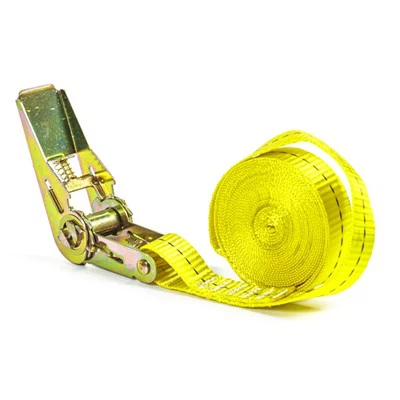
When it comes to securing cargo, extra long ratchet straps are a go - to solution for many professionals and enthusiasts alike. But a common question that often arises is whether these extra long ratchet straps can be used in wet conditions. As a supplier of extra long ratchet straps, I've encountered this query numerous times, and in this blog, I'll delve into the details to provide you with a comprehensive answer.
Understanding Extra Long Ratchet Straps
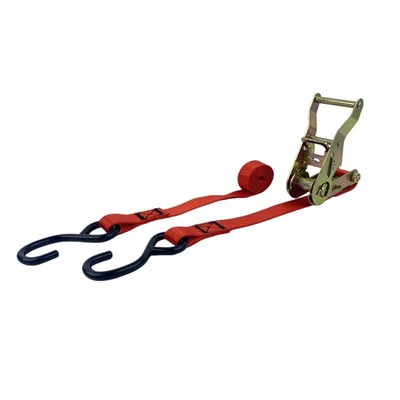
Extra long ratchet straps are designed to handle larger and more challenging cargo - securing tasks. They typically feature a long webbing that can be adjusted using a ratcheting mechanism to achieve a tight and secure hold. These straps are commonly used in industries such as transportation, construction, and outdoor activities where the need to secure large or irregularly shaped items is frequent.
The webbing material of these straps is usually made from polyester or nylon. Polyester is known for its high strength, resistance to UV rays, and low stretch properties. Nylon, on the other hand, is more elastic and has excellent shock - absorbing capabilities. Both materials have their own advantages and are suitable for different applications.
The Impact of Wet Conditions on Ratchet Straps
- Material Degradation
- Polyester webbing is relatively resistant to water damage. It doesn't absorb water easily, which means that its strength and integrity are less likely to be compromised in wet conditions. However, prolonged exposure to water can still lead to some degradation over time. The water can cause the fibers to swell slightly, and if the strap is under tension while wet, it may experience some wear and tear at the molecular level.
- Nylon, being more absorbent, is more vulnerable to water. When nylon gets wet, it can lose up to 15% of its strength. The absorbed water also makes the strap heavier, which can be a problem when handling large - scale cargo. Additionally, wet nylon is more prone to mildew and rot if not dried properly, which can significantly reduce its lifespan.
- Ratcheting Mechanism
- The ratcheting mechanism of the strap is another area of concern in wet conditions. Water can seep into the gears and moving parts of the ratchet, causing corrosion and rust. This can make the ratchet difficult to operate, reducing its ability to tighten the strap effectively. In severe cases, the ratchet may jam, rendering the strap useless.
- Friction and Grip
- The friction between the strap and the cargo is crucial for a secure hold. In wet conditions, the surface of the cargo and the strap can become slippery. This reduces the friction, making it more likely for the strap to slip and the cargo to shift during transportation.
Using Extra Long Ratchet Straps in Wet Conditions: Precautions and Solutions
- Choose the Right Material
- If you expect to use the straps in wet conditions frequently, polyester is the better choice. Its water - resistant properties make it more suitable for such environments. However, if shock absorption is a priority, nylon can still be used, but you need to take extra precautions to protect it from water damage.
- Proper Maintenance
- After using the straps in wet conditions, it's essential to dry them thoroughly. Hang the straps in a well - ventilated area to allow the water to evaporate. You can also use a soft cloth to wipe off any excess water. For the ratcheting mechanism, you can apply a light coat of lubricant to prevent rust and ensure smooth operation.
- Enhanced Friction
- To improve the grip of the strap on the cargo in wet conditions, you can use additional friction - enhancing materials. For example, you can place rubber mats or non - slip pads between the strap and the cargo. This will increase the friction and reduce the risk of slippage.
Applications in Wet Conditions
- Marine and Water - related Industries
- In the marine industry, extra long ratchet straps are often used to secure equipment and cargo on boats and ships. The constant exposure to water makes it essential to choose straps that can withstand wet conditions. Polyester - based ratchet straps are commonly used in this industry due to their water - resistant properties.
- Outdoor Construction in Rainy Areas
- Construction sites in areas with frequent rainfall also require reliable cargo - securing solutions. Extra long ratchet straps can be used to secure building materials such as lumber, pipes, and steel beams. However, proper care must be taken to ensure that the straps are protected from water and dried after each use.
Our Product Offerings
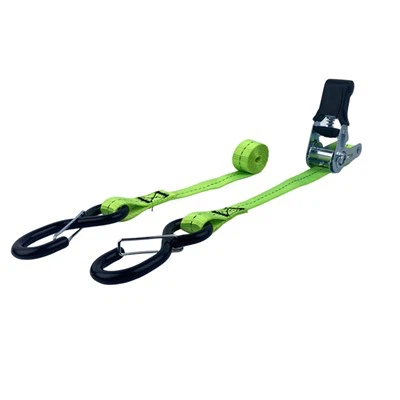
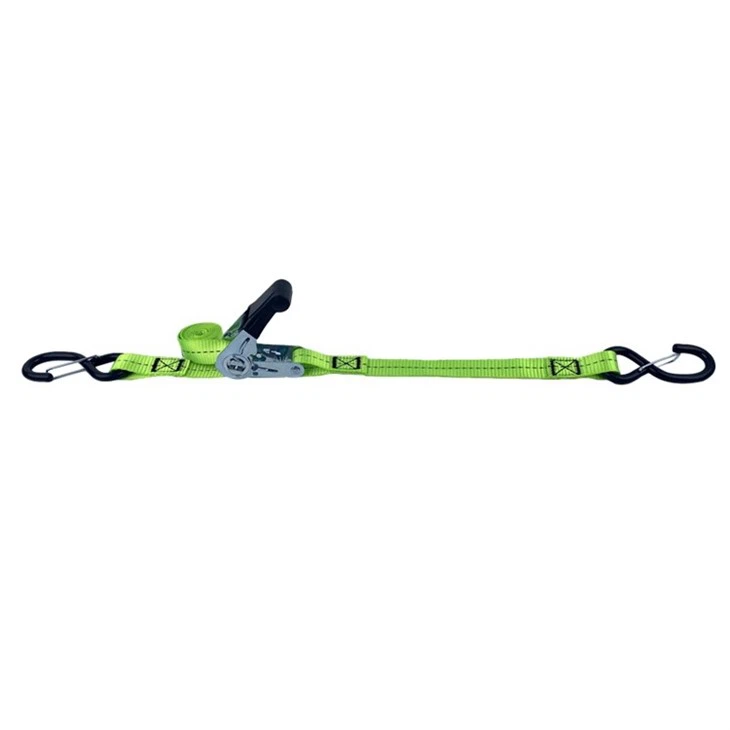
As a supplier of extra long ratchet straps, we offer a wide range of products to meet different needs. Our Rope Tie Down Straps are made from high - quality polyester or nylon webbing, providing excellent strength and durability. They are suitable for various applications, including those in wet conditions.
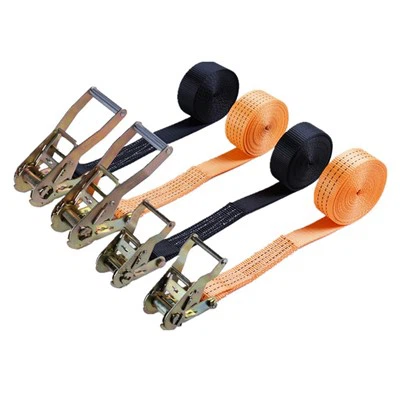
Our Cargo Buckle Ratchet Straps feature a reliable ratcheting mechanism that is designed to resist corrosion and rust. This ensures smooth operation even in wet environments.
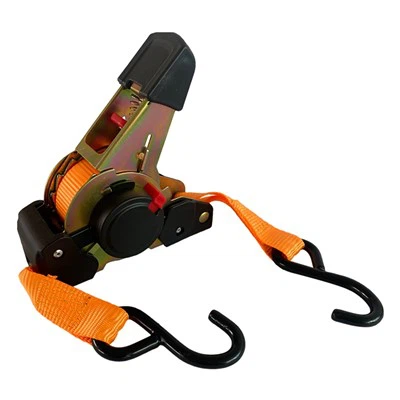
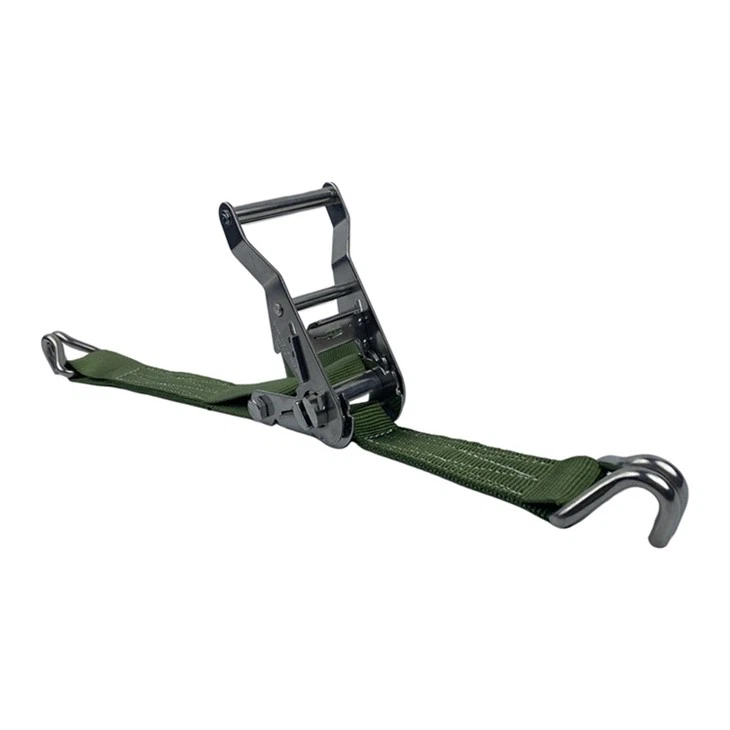
For more professional and heavy - duty applications, we recommend our Professional Ratchet Straps. These straps are engineered to provide maximum strength and stability, making them ideal for securing large and heavy cargo in challenging conditions.
Conclusion
In conclusion, extra long ratchet straps can be used in wet conditions, but it requires careful consideration and proper precautions. By choosing the right material, maintaining the straps properly, and enhancing friction, you can ensure that the straps perform effectively and safely in wet environments.
If you're in the market for high - quality extra long ratchet straps, whether for wet or dry conditions, we're here to help. Our team of experts can provide you with detailed product information and guidance to help you make the best choice for your specific needs. Contact us today to start a procurement discussion and find the perfect ratchet straps for your cargo - securing requirements.
References
- "Handbook of Textile Fibers" by R. M. Hearle
- "Marine Cargo Securement Standards" by the International Maritime Organization
- "Construction Equipment Safety Guidelines" by the Occupational Safety and Health Administration