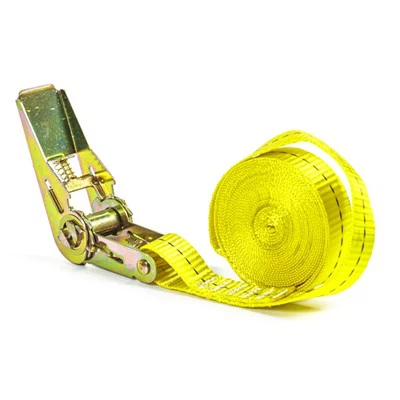
Load tie down straps are essential tools in various industries, from transportation to construction. They are used to secure cargo and prevent it from shifting during transit, ensuring safety on the road and at the worksite. A common question that customers often ask is whether load tie down straps can be cut to a specific length. As a supplier of high - quality load tie down straps, I'm here to provide a comprehensive answer to this question.
Understanding Load Tie Down Straps
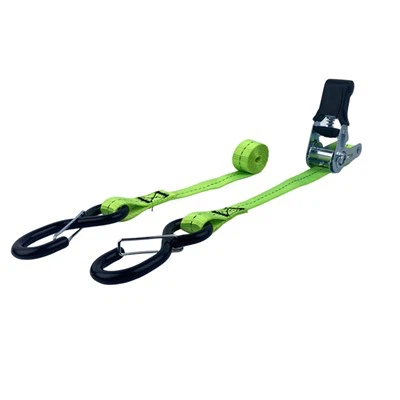
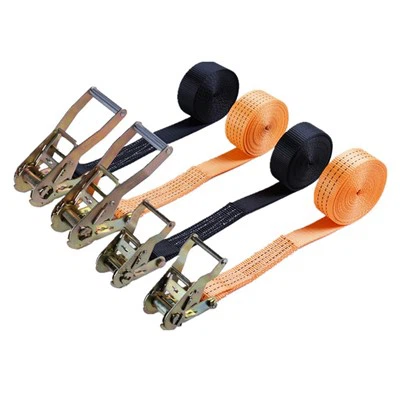
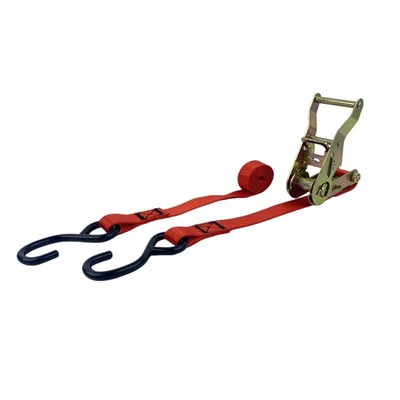
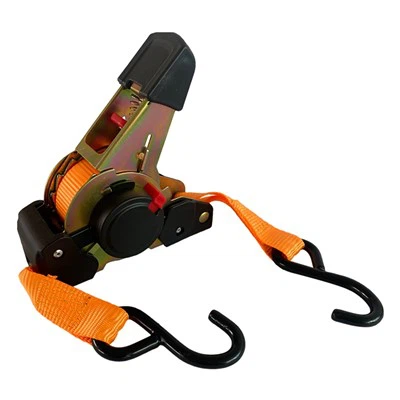
Before delving into the cutting question, it's important to understand the different types of load tie down straps available. We offer a wide range of products, including Rope Tie Down Straps, Lashing Straps with Hooks, and Heavy Duty Ratchet Tie Down Straps. Each type has its own unique features and applications.
Rope tie down straps are flexible and lightweight, making them suitable for securing lighter loads. They are often used in situations where a softer touch is required to avoid damaging the cargo. Lashing straps with hooks, on the other hand, are more versatile. The hooks allow for easy attachment to various anchor points, and they can be used for a wide range of loads, from small boxes to large equipment. Heavy - duty ratchet tie down straps are designed for the toughest jobs. They can handle heavy loads and provide a high level of tension, ensuring that the cargo stays firmly in place.
Can Load Tie Down Straps Be Cut to a Specific Length?
The short answer is yes, load tie down straps can be cut to a specific length. However, there are several factors to consider before doing so.


Material and Construction
The material of the strap plays a crucial role in determining whether it can be cut safely. Most load tie down straps are made of polyester or nylon. Polyester straps are known for their high strength, low stretch, and resistance to UV rays and chemicals. Nylon straps, on the other hand, are more elastic and have good shock - absorbing properties.
When cutting a strap, it's important to ensure that the cut does not compromise the integrity of the material. For example, if a strap is cut too close to a stitching or a reinforced area, it may weaken the strap and reduce its load - bearing capacity. Additionally, some straps have a protective coating or treatment, and cutting the strap may expose the inner fibers to damage.
Safety Standards
Another important consideration is safety standards. Load tie down straps are subject to various safety regulations, especially in the transportation industry. Cutting a strap may void its compliance with these standards. For example, a strap that has been cut may not have the same breaking strength as the original, uncut strap. This could pose a serious safety risk, especially when transporting heavy or valuable cargo.
If you need a strap of a specific length, it's advisable to consult with the manufacturer or a professional. They can provide guidance on whether the strap can be cut safely and whether it will still meet the necessary safety requirements.
Re - Ending the Strap
Once a strap is cut, it may need to be re - ended to prevent fraying. There are several methods for re - ending a strap, including heat sealing, stitching, and using end fittings. Heat sealing is a common method for polyester straps. It involves using a heat source to melt the ends of the strap, creating a smooth and secure finish. Stitching can be used for both polyester and nylon straps, but it requires some skill and the right equipment. End fittings, such as hooks or buckles, can also be attached to the cut end of the strap, providing a more professional and secure solution.
When to Cut a Load Tie Down Strap
There are some situations where cutting a load tie down strap may be necessary.
Custom - Fit for Specific Cargo
If you have a unique or irregularly shaped cargo, a standard - length strap may not fit properly. In this case, cutting the strap to a specific length can ensure a better fit and a more secure hold. For example, if you are transporting a piece of furniture with odd dimensions, you may need to cut the straps to the exact length required to secure it tightly.
Space Constraints
In some cases, space constraints may make it necessary to cut the straps. For example, if you are loading cargo into a small trailer or a confined space, longer straps may be cumbersome and difficult to work with. Cutting the straps to a shorter length can make the loading process more efficient and safer.
When Not to Cut a Load Tie Down Strap
There are also situations where cutting a load tie down strap is not recommended.
High - Risk Applications
For high - risk applications, such as transporting heavy machinery or hazardous materials, it's best to use a pre - made strap of the correct length. These applications require a high level of reliability and safety, and cutting a strap may introduce unnecessary risks.
Warranty and Liability
Cutting a strap may void its warranty. If the strap fails after it has been cut, the manufacturer may not be responsible for any damages or losses. Additionally, if an accident occurs due to a cut strap, you may be held liable for any injuries or property damage.
Our Services as a Load Tie Down Strap Supplier
As a leading supplier of load tie down straps, we understand the importance of providing high - quality products and reliable service. We offer a wide range of pre - made straps in various lengths and strengths to meet your specific needs. If you require a custom - length strap, we can also provide made - to - order services.
Our team of experts can assist you in selecting the right strap for your application and can provide guidance on installation and use. We also offer after - sales support, including advice on maintenance and repair.
Contact Us for Your Load Tie Down Strap Needs
If you have any questions about load tie down straps, including whether they can be cut to a specific length, or if you are interested in purchasing our products, please don't hesitate to contact us. Our friendly and knowledgeable staff are ready to assist you in finding the best solution for your cargo - securing needs. Whether you need a single strap or a large quantity for your business, we can provide you with high - quality products at competitive prices.
References
- "Cargo Securement Handbook" by the Federal Motor Carrier Safety Administration
- "Load Tie Down Strap Standards and Regulations" by the International Organization for Standardization
- Manufacturer's guidelines for load tie down straps