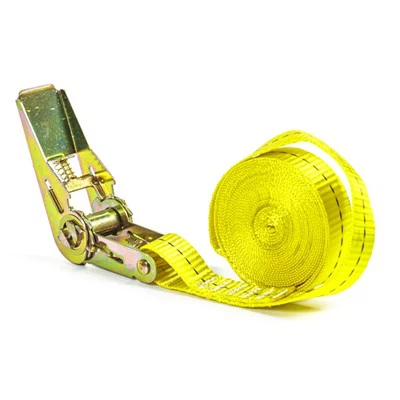
Can rope tie down straps be used to secure a canoe? This is a question that many canoe enthusiasts and outdoor adventurers often ask. As a supplier of high - quality rope tie down straps, I am here to share some insights on this topic.
Understanding the Basics of Canoe Transportation
Canoes are relatively large and lightweight watercraft. When transporting them, whether on the roof of a car, a trailer, or any other vehicle, proper securing is crucial. The main goal is to prevent the canoe from shifting, vibrating, or even flying off during transit, which could not only damage the canoe but also pose a significant safety hazard to other road users.
Advantages of Using Rope Tie Down Straps for Canoes
Rope tie down straps offer several advantages when it comes to securing a canoe. Firstly, they are highly flexible. Unlike some rigid metal or plastic securing devices, ropes can easily conform to the shape of the canoe. Canoes often have curved hulls and irregular shapes, and rope straps can be adjusted to fit snugly around these contours, providing a more secure hold.
Secondly, rope tie down straps are generally lightweight. This is important because when you are transporting a canoe, every extra bit of weight can affect your vehicle's fuel efficiency. The lightweight nature of ropes means that they add minimal additional weight to your load.
Another benefit is their affordability. Compared to some specialized canoe - securing systems, rope tie down straps are relatively inexpensive. This makes them an attractive option for those on a budget or for occasional canoe users who don't want to invest a large amount of money in a high - end securing solution.
Types of Rope Tie Down Straps Suitable for Canoes
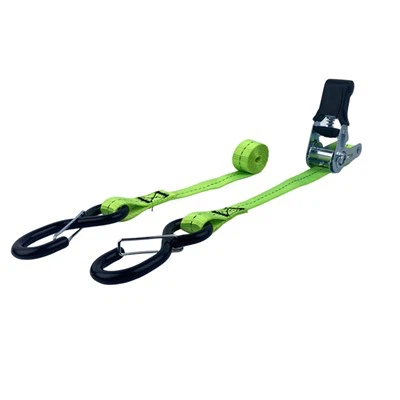
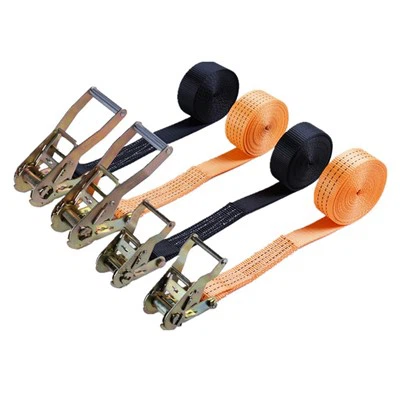
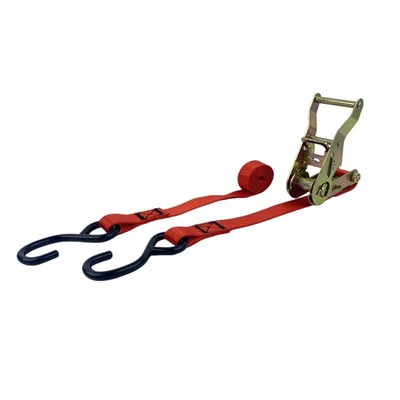
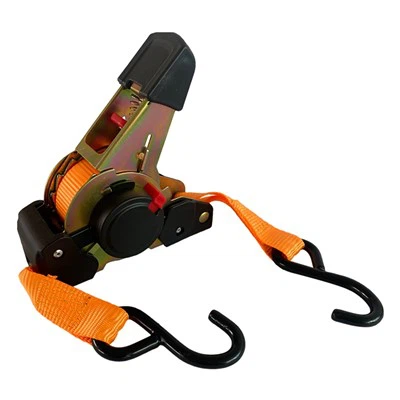
There are different types of rope tie down straps that can be used for securing a canoe. One common type is the ratchet - style rope tie down strap. These straps have a ratchet mechanism that allows you to tighten the strap easily and precisely. The ratchet ensures that the strap remains tight during transit, reducing the risk of the canoe coming loose. You can find high - quality Retractable Tie Down Strap which are a great option for canoe securing. They are designed to be easily retracted when not in use, making them convenient for storage.
Another option is the bungee - style rope tie down strap. Bungee straps have some elasticity, which can be useful as it allows the strap to absorb some of the vibrations and movements that occur during transportation. However, it's important to note that the elasticity should not be too high, as excessive stretch could lead to the strap becoming loose over time.
Factors to Consider When Using Rope Tie Down Straps
When using rope tie down straps to secure a canoe, there are several factors that you need to take into account.
Strength and Durability
The strength of the rope is of utmost importance. You need a rope that can withstand the forces exerted on it during transportation. Factors such as wind resistance, the movement of the vehicle, and any sudden stops or starts can put stress on the straps. Look for ropes made from high - quality materials such as nylon or polyester. These materials are known for their strength and durability. For example, Marine Ratchet Straps are often made from materials that can resist the elements, including water, UV rays, and salt, which makes them suitable for both marine and land - based canoe transportation.


Length and Width
The length of the rope tie down strap should be appropriate for the size of your canoe and the vehicle you are using for transportation. If the strap is too short, it may not be able to reach around the canoe and the vehicle's roof or trailer properly. On the other hand, if it's too long, it may be difficult to tighten effectively and could pose a tripping hazard. The width of the strap also matters. A wider strap distributes the pressure more evenly across the surface of the canoe, reducing the risk of damage to the canoe's hull.
Attachment Points
Make sure that you have secure attachment points on your vehicle. For car roofs, most modern cars come with roof racks or crossbars that can be used as attachment points. If you are using a trailer, ensure that the trailer has strong and stable tie - down points. The rope tie down straps should be attached firmly to these points to prevent the canoe from shifting.
Step - by - Step Guide to Securing a Canoe with Rope Tie Down Straps
- Prepare the Vehicle and Canoe: First, clean the roof of your vehicle or the trailer to ensure that there is no debris that could damage the canoe or the straps. Place the canoe on the vehicle or trailer in the correct position. Make sure it is centered and aligned properly.
- Choose the Right Straps: Select the appropriate rope tie down straps based on the factors mentioned above, such as strength, length, and width.
- Attach the Straps: Start by attaching one end of the strap to an attachment point on the vehicle. Then, loop the strap around the canoe and back to the vehicle's attachment point. If you are using a ratchet - style strap, insert the loose end of the strap into the ratchet mechanism.
- Tighten the Straps: Use the ratchet or other tightening mechanism to gradually tighten the strap. Make sure the strap is tight but not so tight that it damages the canoe. Check the tightness of the strap from different angles to ensure even tension.
- Check for Stability: Once all the straps are tightened, give the canoe a gentle shake to check for any movement. If the canoe moves at all, re - tighten the straps until it is stable.
Other Considerations for Canoe Transportation
While rope tie down straps can be an effective way to secure a canoe, it's also important to consider other aspects of transportation. For example, if you are transporting a canoe on a long - distance trip, you may want to check the tightness of the straps periodically. Vibrations and changes in temperature can cause the straps to loosen over time.
Also, if you are using a motorcycle to transport a canoe, you need to be extra careful. Motorcycle Cargo Straps are designed to meet the specific requirements of motorcycle transportation. They are usually shorter and more flexible to fit the limited space on a motorcycle.
Conclusion
In conclusion, rope tie down straps can indeed be used to secure a canoe. They offer flexibility, lightweight, and affordability. However, it's important to choose the right type of straps, consider the various factors such as strength, length, and attachment points, and follow the proper steps for securing the canoe. By doing so, you can ensure a safe and secure transportation of your canoe.
If you are interested in purchasing high - quality rope tie down straps for your canoe or other cargo - securing needs, feel free to contact us for more information and to start a procurement discussion. We are committed to providing you with the best products and solutions for your transportation requirements.
References
- Outdoor Adventure Handbook: A guide to safe and efficient outdoor equipment transportation.
- Canoe Manufacturer's Manuals: Information on proper canoe transportation and securing methods.
- Rope and Strap Industry Standards and Guidelines.