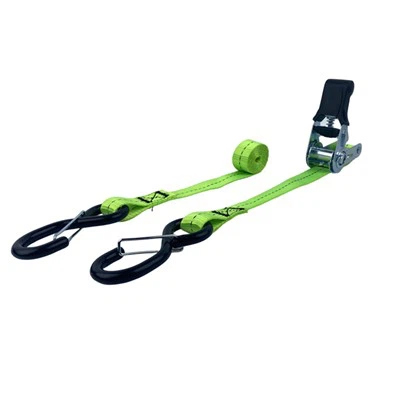
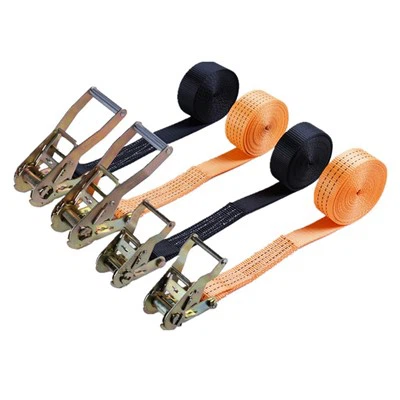
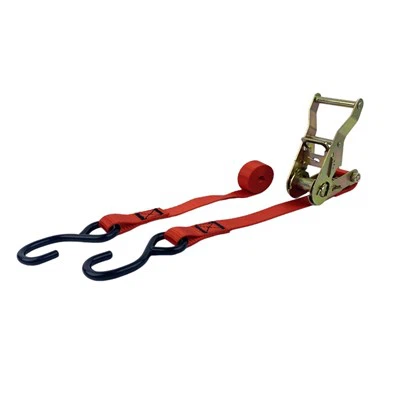
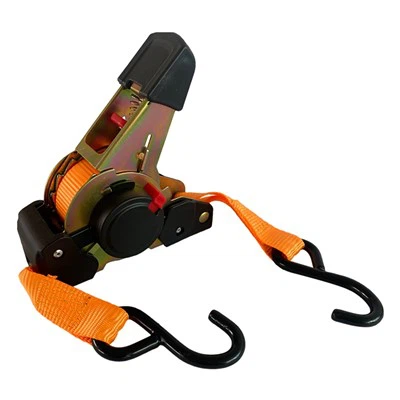
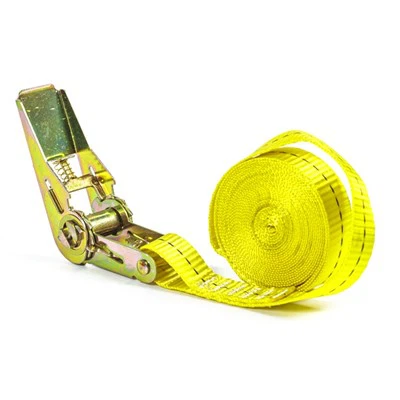
Hey there! As a supplier of Marine Ratchet Straps, I often get asked about the locking mechanisms of these straps. So, I thought I'd dive into this topic and share some insights with you all.
First off, let's understand what marine ratchet straps are. They're essential tools in the marine world, used for securing all sorts of equipment and cargo on boats, ships, and other watercraft. Whether it's tying down a jet ski, securing fishing gear, or keeping a large crate in place during a rough sea voyage, marine ratchet straps are up for the task.
Now, to answer the big question: Do marine ratchet straps have a locking mechanism? The short answer is yes, most of them do. And this locking mechanism is a crucial part of what makes these straps so reliable.
The locking mechanism in marine ratchet straps is typically a ratcheting system. This system allows you to tighten the strap to the desired tension and then lock it in place. When you pull the handle of the ratchet, it engages a series of teeth that prevent the strap from loosening. This is super important when you're out on the water, where the constant movement and vibrations can easily cause unsecured items to shift or fall overboard.
Let's take a closer look at how this ratcheting system works. When you first start using the strap, you'll thread it through the ratchet mechanism. Then, as you pull the handle up and down, the ratchet's pawl (a small, hinged piece) engages with the teeth on the ratchet wheel. Each time you pull the handle, the pawl moves over one tooth, tightening the strap. Once you've reached the right tension, the pawl locks into place, holding the strap securely.
There are different types of ratcheting systems, but they all serve the same basic purpose. Some ratchets have a single - pawl design, which is simple and effective. Others have a double - pawl design, which provides extra security. The double - pawl system means that even if one pawl fails, the other can still hold the strap in place.
The locking mechanism on marine ratchet straps also needs to be durable. Since they're used in a marine environment, they're exposed to saltwater, which can cause corrosion. That's why many marine ratchet straps are made from high - quality materials like stainless steel or galvanized steel. These materials are resistant to rust and can withstand the harsh conditions of the sea.
Another factor to consider is the strength of the locking mechanism. You need a strap that can handle the weight and force of the items you're securing. For example, if you're tying down a heavy piece of machinery on a ship, you'll need a strap with a high - strength locking mechanism. That's where 5 Ton Straps come in handy. They're designed to handle heavy loads and have a robust locking system to keep everything in place.
Now, let's talk about the different applications of marine ratchet straps and how the locking mechanism plays a role.
On small boats, like fishing boats or sailboats, you might use marine ratchet straps to secure coolers, fishing rods, or life jackets. The locking mechanism ensures that these items stay put, even when the boat is rocking on the waves. You don't want your fishing rods flying overboard because the strap came loose!
For larger vessels, such as cargo ships, marine ratchet straps are used to secure large containers and heavy equipment. The locking mechanism is crucial here because the forces involved in transporting these items are much greater. A loose strap could lead to a dangerous situation where the cargo shifts during transit, potentially causing damage to the ship or even endangering the crew.
There are also other types of tie - down straps that are related to marine ratchet straps. For instance, Rope Tie Down Straps are another option for securing items. They work a bit differently from ratchet straps. Instead of a ratcheting system, they rely on knots to hold the tension. However, they can still be a good choice for lighter loads or when you need a more flexible tying option.
Truck Ratchet Tie Down Straps are similar to marine ratchet straps in terms of the ratcheting mechanism. But they're designed for use on trucks, where the conditions are different from the marine environment. Still, the basic principle of the locking mechanism is the same: to keep the load secure.
When choosing marine ratchet straps, it's important to consider the quality of the locking mechanism. You don't want to end up with a strap that fails when you need it most. Look for straps that have a smooth - operating ratchet, strong teeth, and a reliable pawl. You can also check for certifications or quality standards to ensure that the strap meets industry requirements.
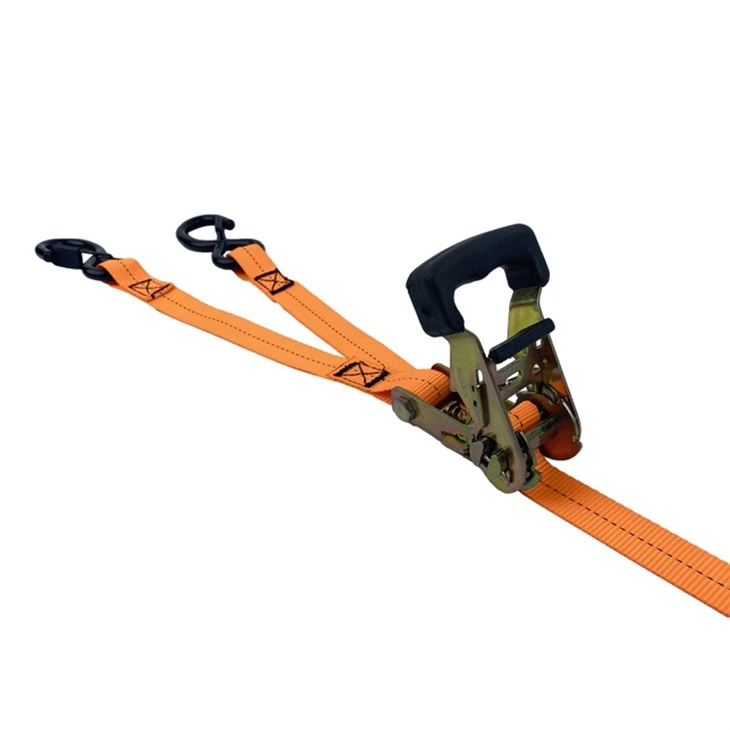

Regular maintenance of the locking mechanism is also essential. You should clean the ratchet regularly to remove any salt or debris that could affect its performance. Lubricating the moving parts can also help keep the ratchet working smoothly.
In conclusion, the locking mechanism in marine ratchet straps is a vital feature that makes them a reliable choice for securing items in the marine environment. Whether you're a small boat owner or a large shipping company, having a good quality strap with a strong locking mechanism can give you peace of mind.
If you're in the market for marine ratchet straps or related products like rope tie - down straps or truck ratchet tie - down straps, I'd love to help. We offer a wide range of high - quality straps with top - notch locking mechanisms. Just reach out to us, and we can discuss your specific needs and find the perfect solution for you.
References
- Marine Equipment Handbook
- Guidelines for Securing Cargo on Vessels