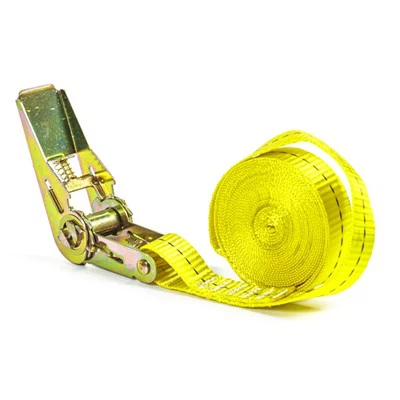
Hey there! As a supplier of rope tie down straps, I know how crucial it is to check the integrity of these straps before using them. Whether you're securing a load on a truck, tying down equipment for transport, or using them in any other application, a compromised strap can lead to serious problems. So, let's dive into how I go about checking the integrity of rope tie down straps.
Visual Inspection
The first step in checking the straps is a good old - fashioned visual inspection. You'd be surprised how many issues you can spot just by taking a close look.
Look for Cuts and Abrasions
Start by running your hands along the length of the strap. Feel for any rough spots, cuts, or abrasions. Cuts can significantly weaken the strap, reducing its load - bearing capacity. Even a small cut can grow over time, especially if the strap is under stress. If you find a cut that's more than just a surface scratch, it's probably time to replace the strap.
Check for Fraying
Fraying is another common issue. Look at the edges of the strap and the areas where it bends or rubs against other objects. Frayed fibers are a sign that the strap has been subjected to excessive wear. If the fraying is minor, you might be able to trim the loose fibers and still use the strap, but if it's extensive, it's best to get a new one. You can find a wide range of reliable straps at Straps and Tie Downs.
Examine the Webbing
The webbing of the strap should be uniform in color and texture. Discoloration can indicate exposure to chemicals, sunlight, or extreme temperatures, all of which can degrade the material. If you notice any discolored patches, it's a red flag. Also, check for any signs of melting or charring, which could suggest that the strap has been exposed to heat.
Check the Hardware
The hardware on the rope tie down straps is just as important as the webbing itself.
Inspect the Hooks
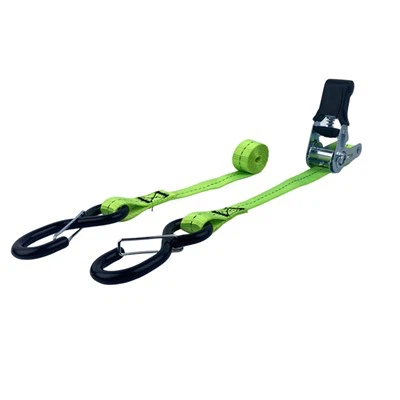
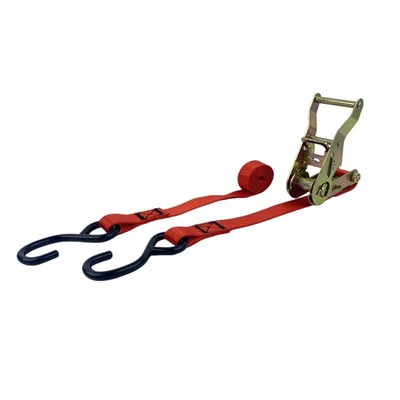
The hooks are what connect the strap to the load and the vehicle or anchor point. Check for any signs of cracks, bends, or excessive wear on the hooks. A bent hook might not hold securely, and a cracked one could break under load. Make sure the hook's latch is working properly. It should close tightly and stay closed when the strap is under tension.
Examine the Ratchet (if applicable)
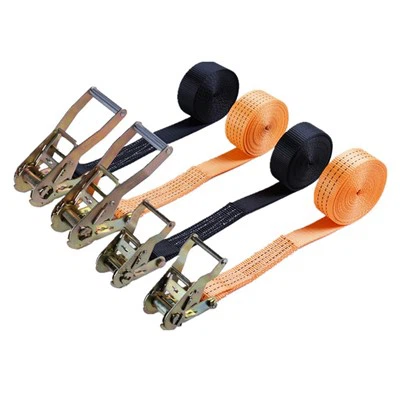
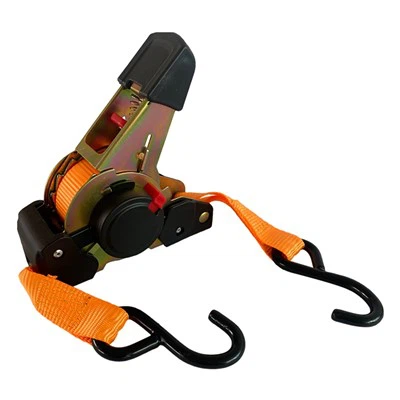
If your strap has a ratchet, give it a thorough inspection. The ratchet mechanism should operate smoothly. Check for any signs of rust, corrosion, or damage to the gears. Try tightening and loosening the ratchet a few times to make sure it's working as it should. If the ratchet doesn't lock properly or is difficult to operate, it could be a problem. You can explore various ratchet - equipped straps at Tow Truck Tie Down Straps.
Look at the Buckles
For straps with buckles, check that the buckle is in good condition. The buckle should snap shut easily and hold the strap firmly. Look for any signs of bending, cracking, or wear on the buckle.
Tension Test
After the visual inspection and hardware check, it's a good idea to do a tension test. But don't go all out and put a full - load on the strap just yet.
Apply Light Tension
Gently pull on the strap to apply a small amount of tension. While doing this, watch for any signs of stretching, popping, or unusual movement. If the strap stretches more than normal, it could be a sign of weakened fibers. Listen for any popping sounds, which could indicate that the fibers are breaking.
Check for Alignment
As you apply tension, make sure the strap is aligned properly. It should run straight without any twists or kinks. A twisted strap can create uneven stress, leading to premature failure.
Consider the Environment
The environment in which the strap will be used also plays a role in its integrity.


Chemical Exposure
If the strap will be exposed to chemicals, such as acids, solvents, or cleaning agents, make sure it's made of a material that can withstand those chemicals. Some chemicals can break down the fibers of the strap over time.
Temperature Extremes
Extreme temperatures can also affect the strap. In cold weather, the material can become brittle and more prone to cracking. In hot weather, it can become soft and lose its strength. If you're using the strap in extreme temperatures, choose a strap that's designed for those conditions. You can find suitable Load Tie Down Straps for different environments.
Documentation and Certification
As a supplier, I always make sure to provide documentation and certification for the straps. When you're buying rope tie down straps, look for products that come with a manufacturer's label indicating the load - rating, material, and any special features. This information can help you determine if the strap is suitable for your application.
Record - Keeping
It's a good practice to keep a record of the inspections. Note down the date of the inspection, any issues found, and what actions were taken. This record can be useful for maintenance scheduling and for proving that you've taken proper care of the straps.
When to Replace
Even if you don't find any obvious signs of damage during the inspection, it's still a good idea to replace the straps periodically. The lifespan of a rope tie down strap depends on factors like usage frequency, environment, and the quality of the strap. As a general rule, if you use the straps frequently, consider replacing them every year or two.
Conclusion
Checking the integrity of rope tie down straps is a multi - step process that involves visual inspection, hardware check, tension testing, and considering the environment. By following these steps, you can ensure that your straps are safe and reliable for use. At our company, we're committed to providing high - quality rope tie down straps that meet all the necessary standards.
If you're in the market for new rope tie down straps or have any questions about our products, don't hesitate to reach out. We're here to help you find the right solution for your needs. Whether you need straps for a tow truck, to secure a load on a trailer, or for any other application, we've got you covered. Contact us today to start a procurement discussion and find the perfect straps for your requirements.
References
- General knowledge from years of experience as a rope tie down strap supplier.
- Industry standards and best practices for strap inspection and use.