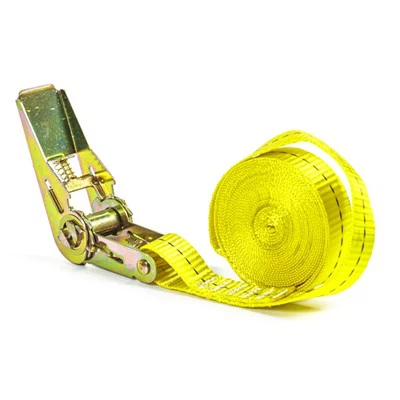
The ratcheting action of a ratchet strap tensioner is a fundamental mechanism that plays a crucial role in securing loads across various industries. As a supplier of ratchet strap tensioners, I have witnessed firsthand the importance of this mechanism in ensuring the safe and efficient transportation of goods. In this blog post, I will delve into the details of the ratcheting action, its components, how it works, and its significance in different applications.
Components of a Ratchet Strap Tensioner
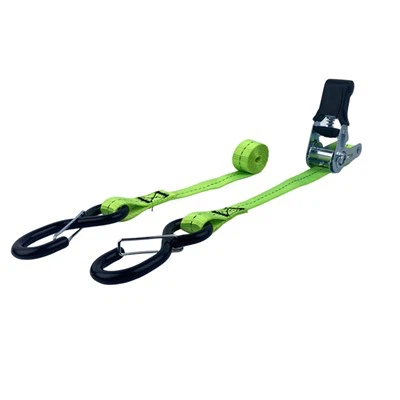
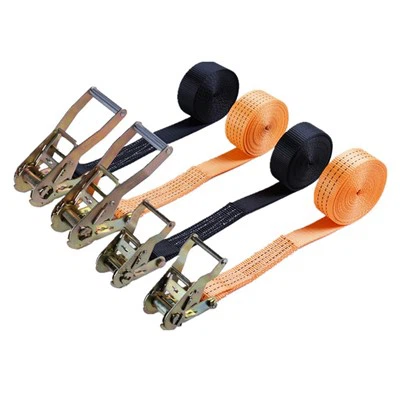
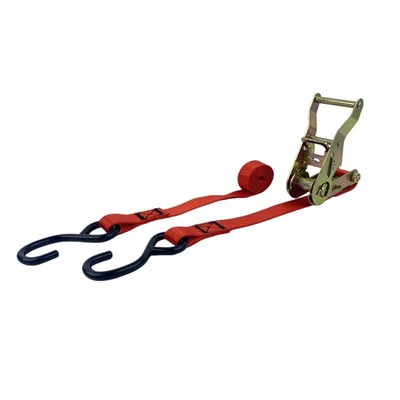
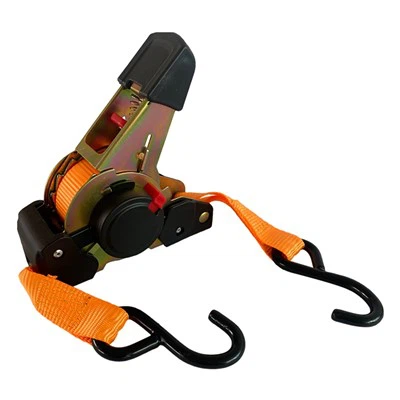
Before we explore the ratcheting action, it's essential to understand the key components of a ratchet strap tensioner. A typical ratchet strap tensioner consists of the following parts:
- Ratchet Handle: This is the part that the user holds and operates to tighten or loosen the strap. It is usually designed for easy grip and leverage.
- Ratchet Gear: The ratchet gear is a toothed wheel that engages with the pawl to create the ratcheting action. It is the heart of the tensioner and determines the direction and strength of the tension applied.
- Pawl: The pawl is a small, spring-loaded component that engages with the teeth of the ratchet gear. It allows the ratchet gear to rotate in one direction while preventing it from rotating in the opposite direction, thus creating the ratcheting effect.
- Strap: The strap is the flexible component that is used to secure the load. It is typically made of high-strength materials such as polyester or nylon and is available in various widths and lengths to suit different applications.
- End Fittings: End fittings are attached to the ends of the strap and are used to connect the strap to the load or the anchor point. Common end fittings include hooks, loops, and D-rings.
How the Ratcheting Action Works
The ratcheting action of a ratchet strap tensioner is based on a simple yet effective principle. When the user pulls the ratchet handle towards them, the ratchet gear rotates in a clockwise direction. As the ratchet gear rotates, the pawl engages with the teeth of the gear, preventing it from rotating back in the opposite direction. This allows the user to apply tension to the strap with each pull of the handle.
To release the tension, the user simply presses a release lever, which disengages the pawl from the ratchet gear. This allows the ratchet gear to rotate freely in the opposite direction, releasing the tension on the strap.
The ratcheting action provides several advantages over other methods of securing loads. Firstly, it allows for precise and adjustable tensioning. The user can apply as much or as little tension as required, depending on the size and weight of the load. Secondly, it provides a secure and reliable hold. Once the tension is applied, the pawl prevents the ratchet gear from rotating back, ensuring that the load remains securely fastened. Finally, it is easy to use and requires minimal effort. Even a single person can quickly and easily secure a heavy load using a ratchet strap tensioner.
Significance in Different Applications
The ratcheting action of a ratchet strap tensioner makes it a versatile and essential tool in a wide range of applications. Here are some examples:
Transportation
In the transportation industry, ratchet strap tensioners are used to secure loads on trucks, trailers, and trains. They are commonly used to secure heavy equipment, machinery, furniture, and other goods during transit. The ratcheting action allows for quick and easy installation and removal of the straps, making it ideal for loading and unloading operations. 5000kg Ratchet Straps are often used for heavy-duty applications, while 1000 Lb Ratchet Straps are suitable for lighter loads.
Marine
In the marine industry, ratchet strap tensioners are used to secure boats, kayaks, and other watercraft. They are also used to secure equipment and supplies on board ships and boats. The ratcheting action provides a secure hold even in rough seas, ensuring that the load remains in place. Marine Ratchet Straps are designed to be resistant to saltwater corrosion and are often made of materials such as stainless steel or galvanized steel.


Construction
In the construction industry, ratchet strap tensioners are used to secure scaffolding, ladders, and other equipment. They are also used to secure building materials such as lumber, pipes, and steel beams. The ratcheting action allows for quick and easy adjustment of the tension, ensuring that the equipment and materials are securely fastened.
DIY and Home Use
Ratchet strap tensioners are also popular among DIY enthusiasts and homeowners. They can be used to secure loads on trailers, trucks, and cars, as well as to secure furniture and other items during moving or storage. The ratcheting action makes it easy to apply and release tension, even for those with limited strength or experience.
Factors to Consider When Choosing a Ratchet Strap Tensioner
When choosing a ratchet strap tensioner, there are several factors to consider:
- Load Capacity: The load capacity of the ratchet strap tensioner is the maximum weight that it can safely secure. It is important to choose a tensioner with a load capacity that is appropriate for the size and weight of the load.
- Strap Material and Width: The strap material and width will affect the strength and durability of the strap. Polyester and nylon are commonly used materials due to their high strength and resistance to abrasion. The width of the strap will also affect the load capacity, with wider straps generally having a higher load capacity.
- End Fittings: The end fittings of the ratchet strap tensioner will determine how it can be attached to the load and the anchor point. It is important to choose end fittings that are appropriate for the application.
- Quality and Durability: The quality and durability of the ratchet strap tensioner will affect its performance and lifespan. It is important to choose a tensioner that is made of high-quality materials and is well-constructed.
Conclusion
The ratcheting action of a ratchet strap tensioner is a simple yet effective mechanism that provides a secure and reliable way to secure loads. As a supplier of ratchet strap tensioners, I understand the importance of this mechanism in ensuring the safe and efficient transportation of goods. Whether you are in the transportation, marine, construction, or DIY industry, a ratchet strap tensioner is an essential tool that can help you get the job done.
If you are interested in purchasing ratchet strap tensioners or have any questions about our products, please feel free to contact us. We are committed to providing high-quality products and excellent customer service. Our team of experts is always available to help you choose the right ratchet strap tensioner for your needs.
References
- "Ratchet Straps: How They Work and Why You Need Them." Tie Down Supply, 2023.
- "The Ultimate Guide to Ratchet Straps." Harbor Freight Tools, 2023.
- "Ratchet Strap Tensioners: A Comprehensive Overview." Engineering360, 2023.