What is the strength rating of locking cargo straps?
When it comes to transporting goods safely and securely, locking cargo straps are an indispensable tool. As a supplier of locking cargo straps, I understand the importance of these products and the critical role that strength ratings play in their application. In this blog, we'll delve into what strength ratings mean for locking cargo straps, why they matter, and how to choose the right ones for your specific needs.
Understanding Strength Ratings
The strength rating of a locking cargo strap is a measure of its ability to withstand a certain amount of force without breaking. There are two primary strength ratings you'll often encounter: Working Load Limit (WLL) and Breaking Strength.
The Working Load Limit is the maximum amount of weight that a cargo strap should be used to secure under normal working conditions. It is typically a fraction of the breaking strength, usually around one-third. For example, if a strap has a breaking strength of 9,000 pounds, its WLL might be 3,000 pounds. This safety margin is crucial because it accounts for factors such as shock loading, wear and tear, and the dynamic forces that can occur during transportation.
Breaking Strength, on the other hand, is the amount of force required to actually break the strap. While it's important to know this value, it's not the number you should base your load - securing decisions on. Using a strap at or near its breaking strength is extremely dangerous and can lead to catastrophic failures.
Why Strength Ratings Matter
- Safety: The most obvious reason strength ratings matter is safety. Using a cargo strap with an insufficient strength rating can result in the strap breaking during transit. This can cause the cargo to shift, fall off the vehicle, or even cause an accident. By choosing a strap with an appropriate WLL for your load, you significantly reduce the risk of these dangerous situations.
- Legal Compliance: In many regions, there are regulations regarding the proper securing of cargo. These regulations often specify the minimum strength requirements for cargo straps based on the weight and type of the load. Failing to comply with these regulations can result in fines and other penalties.
- Load Integrity: Properly rated cargo straps ensure that your load remains intact and undamaged during transportation. A strap that is too weak may stretch or break, allowing the cargo to move around and potentially get damaged.
Factors Affecting Strength Ratings
- Material: The material used to make the cargo strap has a significant impact on its strength rating. Common materials include polyester, nylon, and polypropylene. Polyester is a popular choice for heavy - duty applications because it has high strength, low stretch, and good resistance to UV rays and chemicals. Nylon is also strong but has more stretch, which can be useful in some situations where shock absorption is needed. Polypropylene is less expensive but generally has a lower strength rating and is more prone to damage from UV exposure.
- Strap Width: Wider straps generally have higher strength ratings. A wider strap distributes the load over a larger area, reducing the stress on any one point of the strap. For example, a 4 - inch wide strap will typically have a higher WLL than a 2 - inch wide strap made from the same material.
- Hardware: The hardware used in the locking mechanism and the hooks also affects the overall strength of the cargo strap. High - quality, well - made hardware can withstand more force without failing. For instance, forged hooks are generally stronger than stamped hooks.
Choosing the Right Strength Rating
- Determine the Weight of Your Load: The first step in choosing the right cargo strap is to accurately determine the weight of the load you need to secure. This includes the weight of the goods themselves, as well as any packaging or containers.
- Consider the Type of Load: Different types of loads require different approaches to securing. For example, a load that is likely to shift or move during transit may require a higher strength rating to keep it in place. Fragile loads may also need a strap with a higher strength rating to prevent damage from sudden movements.
- Account for Dynamic Forces: During transportation, the cargo will be subject to dynamic forces such as acceleration, deceleration, and turning. These forces can increase the effective weight of the load. As a general rule, it's a good idea to choose a strap with a WLL that is at least 1.5 to 2 times the static weight of the load to account for these dynamic forces.
Our Product Offerings
As a leading supplier of locking cargo straps, we offer a wide range of products with different strength ratings to meet your diverse needs.
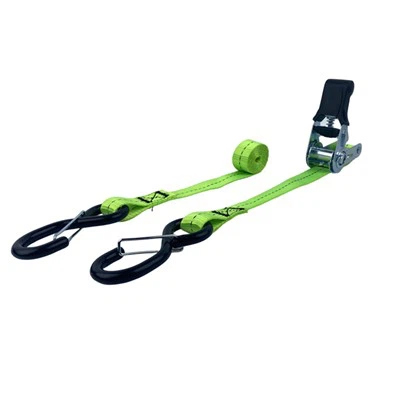
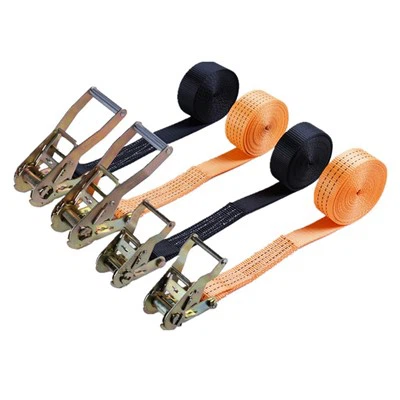
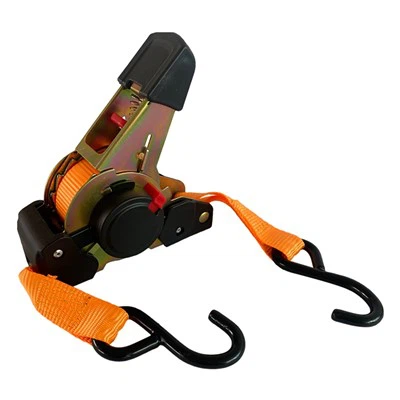
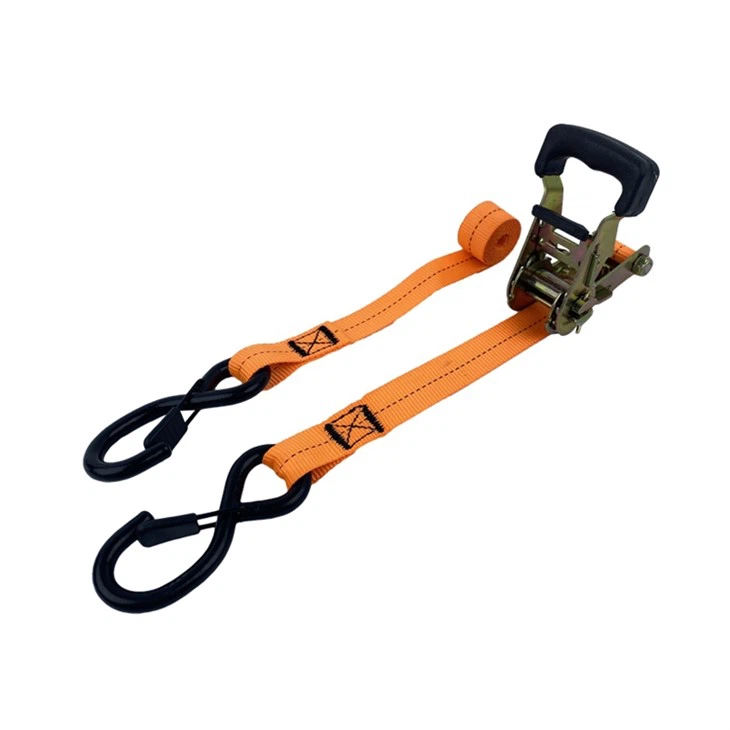
- High Quality Ratchet Straps: Our high - quality ratchet straps are made from premium materials and feature robust locking mechanisms. They come in various widths and lengths, with strength ratings suitable for both light and heavy - duty applications.
- 5 Ton Straps: For extremely heavy loads, our 5 - ton straps are the perfect solution. These straps are designed to handle large and bulky cargo, providing a reliable and secure way to transport your goods.
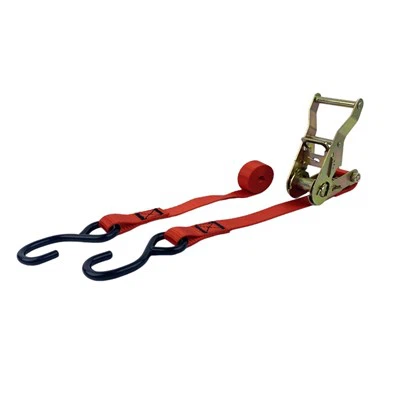
- Heavy Duty Ratchet Straps with Hooks: Our heavy - duty ratchet straps with hooks are built to last. The high - quality hooks ensure a strong connection to the cargo and the vehicle, while the ratchet mechanism allows for easy and precise tensioning.
Contact Us for Procurement
If you're in the market for locking cargo straps, we'd love to hear from you. Whether you need a small quantity for occasional use or a large order for your business, we can provide you with the right products at competitive prices. Our team of experts is always available to help you choose the best strength rating and type of cargo strap for your specific requirements. Contact us today to start the procurement process and ensure the safe and secure transportation of your cargo.

References
- "Cargo Securement Manual" - Federal Motor Carrier Safety Administration
- "Best Practices for Cargo Strapping" - National Association of Cargo Securement Professionals