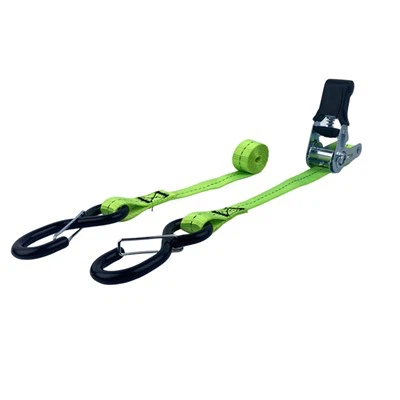
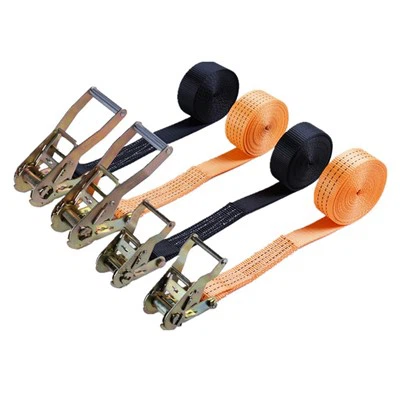
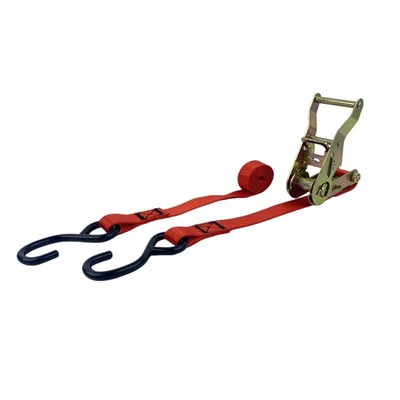
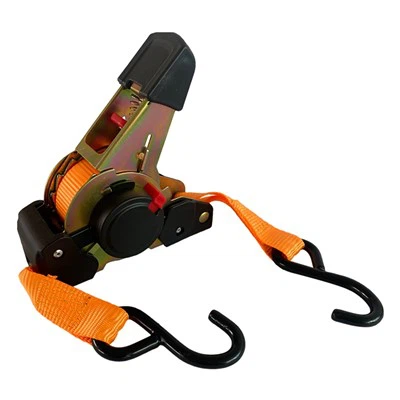
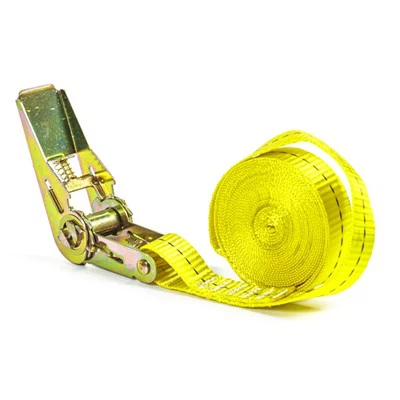
Hey there! As a supplier of lashing straps with hooks, I often get asked how to measure the correct length of these straps for different loads. It's a crucial question because using the right length ensures your load stays secure during transit. So, let's dive into it and figure out how you can measure the perfect length of lashing straps with hooks for your load.
First things first, you need to understand the purpose of lashing straps with hooks. These straps are designed to secure various types of loads, from small items to large equipment. The hooks at the ends of the straps allow you to attach them to anchor points on your vehicle or trailer, keeping your load in place. Whether you're transporting a motorcycle, a tractor, or any other cargo, having the right length of lashing straps is essential.
Let's start with the basics. To measure the length of the lashing straps, you'll need to consider two main factors: the distance between the anchor points and the size of the load. The anchor points are the places where you'll attach the hooks of the lashing straps. These can be on the sides of your truck bed, the frame of your trailer, or any other sturdy points on your vehicle.
Measuring the Distance Between Anchor Points
The first step is to measure the distance between the anchor points. You can use a tape measure for this. Make sure to measure the straight-line distance between the points where you'll attach the hooks. For example, if you're using a trailer and you want to secure a load between two anchor points on the sides of the trailer, measure the distance between those two points.
It's important to measure accurately because if the straps are too short, they won't be able to reach the anchor points, and if they're too long, they may not provide enough tension to secure the load properly. Once you have the measurement, add a little extra length to account for the fact that the straps will need to wrap around the load. A good rule of thumb is to add about 10 - 20% to the measured distance.
Considering the Size of the Load
The next factor to consider is the size of the load. You need to make sure that the lashing straps can wrap around the load securely. If the load is small, you may not need a very long strap. However, if you're transporting a large piece of equipment or a bulky item, you'll need a longer strap to wrap around it.
For example, if you're using Motorcycle Cargo Straps to secure a motorcycle, you'll need to measure the width of the motorcycle at its widest point and then add some extra length for wrapping and attaching the hooks. On the other hand, if you're using Tractor Tie Down Straps to secure a tractor, you'll need a much longer strap to go around the large frame of the tractor.
Different Types of Loads and Their Measurement Requirements
Let's take a look at some common types of loads and how to measure the lashing straps for them:
1. Small Boxes and Packages
For small boxes and packages, you can measure the perimeter of the box and add a few inches for wrapping and attaching the hooks. A short lashing strap may be sufficient in this case.
2. Furniture
When securing furniture, measure the length, width, and height of the furniture item. You'll need to wrap the lashing straps around the furniture to keep it from moving. Add some extra length for tying and securing the straps.


3. Vehicles
For vehicles like motorcycles and tractors, as mentioned earlier, measure the width and length of the vehicle at its widest and longest points. Use straps with strong Heavy Duty Tie Down Hooks to ensure a secure attachment.
Using the Right Tension
Once you've measured the correct length of the lashing straps, it's important to use the right tension when securing the load. You don't want the straps to be too loose, as the load may shift during transit. On the other hand, you don't want to over-tighten the straps, as this can damage the load or the straps themselves.
A good way to check the tension is to give the load a gentle shake after securing it. If the load moves significantly, the straps may be too loose. If the straps seem to be under a lot of stress or are starting to stretch, you may have over-tightened them.
Double - Checking Your Measurements
Before you start using the lashing straps, it's always a good idea to double - check your measurements. Make sure that the straps are long enough to reach the anchor points and wrap around the load securely. You can also do a test run by attaching the straps to the anchor points and wrapping them around the load without actually transporting it. This will give you a chance to adjust the length if needed.
Other Considerations
In addition to measuring the length, you also need to consider the strength and quality of the lashing straps. Make sure to choose straps that are rated for the weight of your load. Our lashing straps with hooks are made from high - quality materials and are designed to withstand heavy loads.
Also, check the condition of the hooks regularly. The hooks should be free from cracks, bends, or any other damage. If you notice any problems with the hooks, replace them immediately.
Conclusion
Measuring the correct length of lashing straps with hooks for your load is not as complicated as it may seem. By following the steps outlined above, you can ensure that your load is secure during transit. Remember to measure the distance between anchor points, consider the size of the load, use the right tension, and double - check your measurements.
If you're in the market for high - quality lashing straps with hooks, we're here to help. Our products are designed to meet the needs of various industries and applications. Whether you're a professional transporter or just need to secure a load for a one - time move, we have the right lashing straps for you.
Feel free to reach out to us for more information or to discuss your specific requirements. We're always happy to help you find the perfect lashing straps for your load. Let's work together to ensure your cargo is transported safely and securely.
References
- General knowledge of lashing strap usage and measurement in the transportation industry.
- Experience from supplying lashing straps with hooks to various customers.