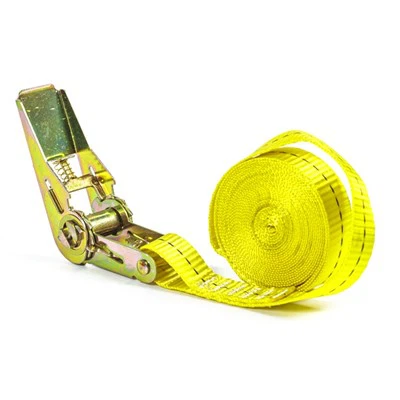
When it comes to transporting tractors safely and securely, choosing the right tractor tie down straps is of utmost importance. As a trusted supplier of tractor tie down straps, I understand the significance of making an informed decision. In this blog post, I will guide you through the process of selecting the perfect tie down straps for your tractor, ensuring a smooth and worry - free transportation experience.
Understanding Your Tractor's Requirements
The first step in choosing the right tractor tie down straps is to understand your tractor's specific requirements. Different tractors have different weights, sizes, and shapes, which directly impact the type of straps you need. For instance, a large, heavy - duty agricultural tractor will require stronger and more robust tie down straps compared to a smaller garden tractor.
You need to know the exact weight of your tractor. This information can usually be found in the tractor's user manual or by contacting the manufacturer. The weight will determine the Working Load Limit (WLL) of the tie down straps you should choose. The WLL is the maximum amount of weight that a strap can safely handle during normal use. As a general rule, you should select straps with a WLL that exceeds the weight of your tractor to ensure a safety margin.
Types of Tractor Tie Down Straps
There are several types of tractor tie down straps available in the market, each with its own advantages and disadvantages.
Ratchet Tie Down Straps
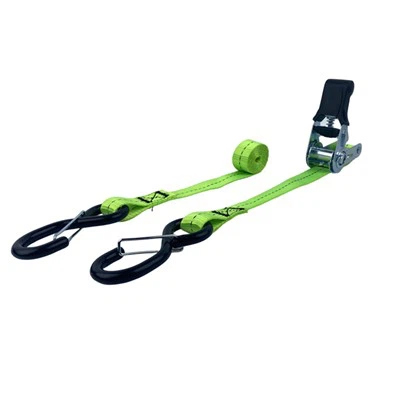
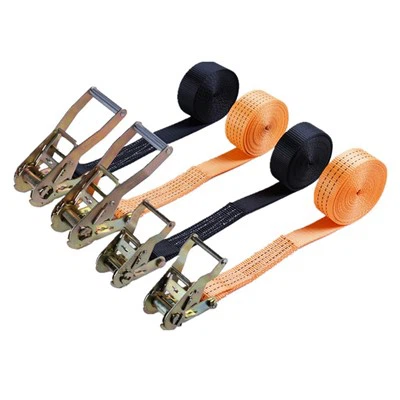
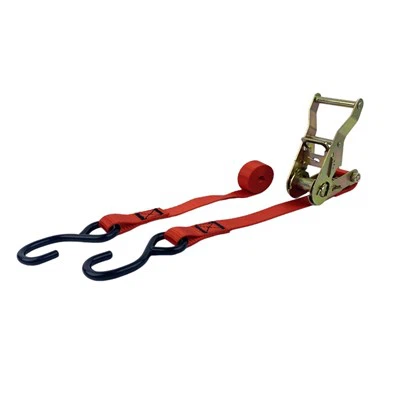
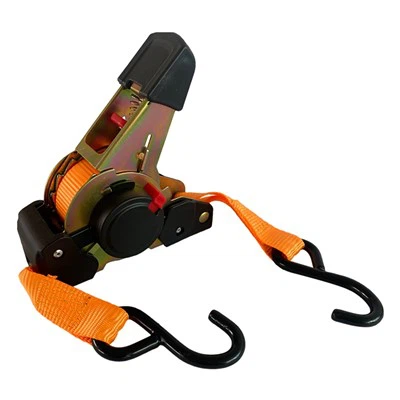
Ratchet tie down straps are one of the most popular choices for tractor transportation. They are easy to use and provide a high level of tension. The ratchet mechanism allows you to tighten the strap securely, ensuring that your tractor stays in place during transit. These straps are made from durable materials such as polyester webbing, which can withstand heavy loads and resist abrasion. You can find high - quality Truck Ratchet Tie Down Straps that are specifically designed for heavy - duty applications like tractor transportation.
Rope Tie Down Straps
Rope tie down straps are a more traditional option. They are flexible and can be easily adjusted to fit different shapes and sizes. Rope straps are often made from materials like nylon or polypropylene. Nylon ropes are known for their strength and elasticity, which can help absorb shock during transportation. Polypropylene ropes, on the other hand, are lightweight and resistant to water and chemicals. If you prefer a more budget - friendly and flexible option, Rope Tie Down Straps might be the right choice for you.
Cam Buckle Tie Down Straps
Cam buckle tie down straps are another option for securing tractors. They are relatively easy to operate and are suitable for lighter loads. The cam buckle mechanism allows you to quickly tighten and release the strap. However, they may not provide as much tension as ratchet tie down straps, so they are better suited for smaller tractors or situations where less tension is required.
Material Considerations
The material of the tie down straps plays a crucial role in their performance and durability.
Polyester
Polyester is a popular material for tractor tie down straps. It has a high strength - to - weight ratio, which means it can handle heavy loads without being too bulky. Polyester is also resistant to UV rays, moisture, and chemicals, making it suitable for outdoor use. Straps made from polyester maintain their strength over time and are less likely to stretch or break under stress.
Nylon
Nylon is known for its elasticity, which can be an advantage when transporting tractors. The elasticity helps absorb shock and vibration during transit, reducing the risk of damage to the tractor and the straps. However, nylon is more prone to stretching under heavy loads and may be affected by moisture, so it requires proper care and maintenance.
Polypropylene
Polypropylene is a lightweight and inexpensive material. It is resistant to water and chemicals, making it suitable for use in wet or harsh environments. However, polypropylene has a lower strength compared to polyester and nylon, so it is typically used for lighter loads or in situations where less strength is required.
End Fittings
The end fittings of the tie down straps are also important. They are the parts that connect the straps to the tractor and the transportation vehicle.
Hooks
Hooks are the most common end fittings. There are different types of hooks, such as J - hooks, S - hooks, and grab hooks. J - hooks are often used for securing to anchor points on the tractor or the trailer. S - hooks are more versatile and can be used in a variety of applications. Grab hooks are designed to quickly attach to various objects and provide a strong hold.
D - Rings
D - rings are another popular choice for end fittings. They are usually attached to the tractor or the trailer and provide a secure point for the straps to connect. D - rings are durable and can withstand heavy loads.
Safety Standards
When choosing tractor tie down straps, it is essential to ensure that they meet the relevant safety standards. In the United States, the Department of Transportation (DOT) has specific regulations regarding tie down straps for transportation. The straps should be marked with their WLL and should be inspected regularly for signs of wear and damage.
Compatibility with Transportation Equipment
You also need to consider the compatibility of the tie down straps with your transportation equipment. The straps should be long enough to reach the anchor points on the tractor and the trailer. If you are using a flatbed trailer, you need to ensure that the straps can be properly secured to the trailer's side rails or D - rings.
Quantity of Straps
The number of tie down straps you need depends on the size and weight of your tractor. As a general rule, you should use at least four straps to secure a tractor. Two straps should be used at the front and two at the rear. For larger or heavier tractors, you may need additional straps to ensure proper stability.
Cost and Quality
While cost is an important factor, it should not be the only consideration. Cheaper straps may not meet the required safety standards or may not be as durable as higher - quality ones. Investing in high - quality tie down straps can save you money in the long run by reducing the risk of accidents and damage to your tractor.
In conclusion, choosing the right tractor tie down straps requires careful consideration of various factors, including your tractor's requirements, the type of straps, the material, the end fittings, safety standards, compatibility, quantity, and cost. As a reliable supplier of tractor tie down straps, we are committed to providing you with the best products that meet your needs. If you are looking for high - quality Box Truck Cargo Straps or other types of tie down straps, we can offer you a wide range of options.
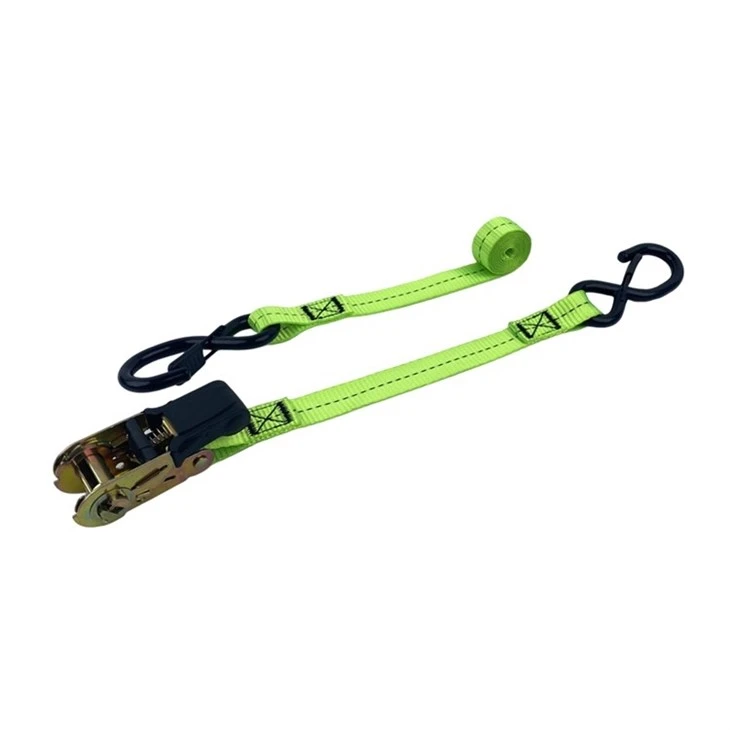

If you have any questions or would like to discuss your specific requirements for tractor tie down straps, please feel free to contact us for procurement and further discussions. We look forward to serving you and helping you ensure the safe transportation of your tractors.
References
- Department of Transportation (DOT) regulations on tie down straps
- Manufacturer's specifications for tractor tie down straps
- Industry standards and best practices for tractor transportation