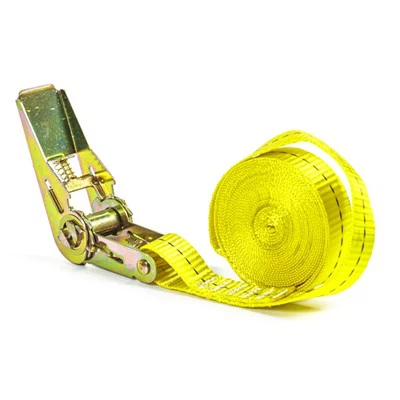
A ratchet strap tensioner, paired with a webbing strap, is an indispensable tool in various industries, from transportation to construction. As a supplier of high - quality ratchet strap tensioners, I am excited to share a comprehensive guide on how to use this essential equipment effectively.
Understanding the Components
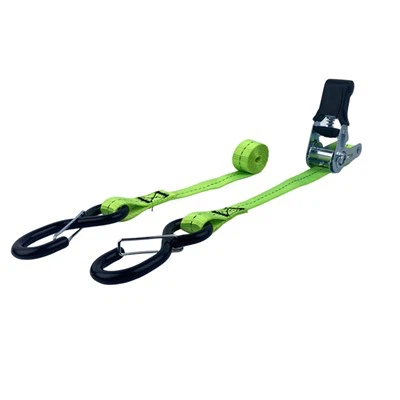
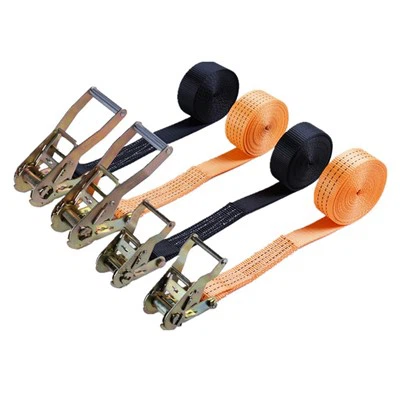
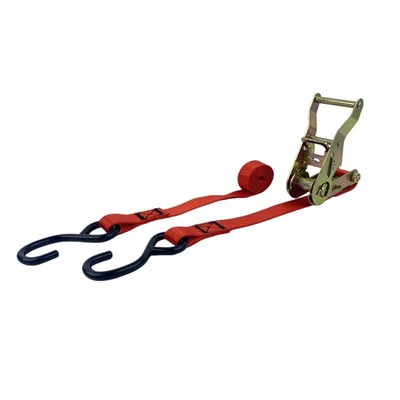
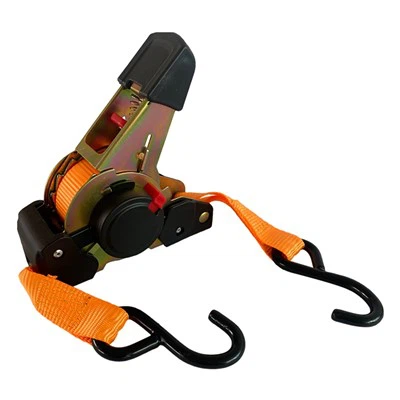
Before we delve into the usage, it's crucial to understand the key components of a ratchet strap tensioner system. The main parts include the ratchet mechanism itself, the webbing strap, and the hooks at both ends of the strap.
The ratchet mechanism is the heart of the system. It allows you to tighten and loosen the webbing strap with precision. The webbing strap, typically made of strong and durable materials like polyester, provides the strength to secure the load. The hooks come in different shapes and sizes, such as J - hooks, S - hooks, and flat hooks, to accommodate various securing points.
Step - by - Step Guide on Using a Ratchet Strap Tensioner
Step 1: Select the Right Strap and Hooks
First and foremost, choose a webbing strap with the appropriate width and length for your load. Wider straps generally offer more strength and are suitable for heavier loads. Also, consider the working load limit (WLL) of the strap, which indicates the maximum weight it can safely secure.
Select the hooks based on the type of securing points available. For example, if you are securing a load to a flat surface, flat hooks might be the best choice. If you need to attach to a round bar or a pipe, S - hooks or J - hooks would be more appropriate. We offer a wide range of Quality Ratchet Straps that come with different hook options to meet your specific needs.
Step 2: Prepare the Ratchet
Open the ratchet mechanism by lifting the handle to the open position. This will disengage the ratchet teeth and allow the webbing strap to move freely through the ratchet.
Step 3: Thread the Webbing Strap
Take one end of the webbing strap and thread it through the bottom of the ratchet, from the back to the front. Make sure the strap is flat and not twisted. Pull enough strap through the ratchet so that you can reach the securing point on the other side of the load.
Step 4: Attach the Hooks
Attach one hook to the securing point on one side of the load. Then, stretch the webbing strap across the load and attach the other hook to the corresponding securing point on the opposite side. Ensure that the hooks are securely fastened and cannot come loose during transit.
Step 5: Tighten the Strap
To tighten the strap, lower the ratchet handle in a pumping motion. Each time you lower the handle, the ratchet teeth will engage, pulling the webbing strap through and tightening it around the load. Keep pumping the handle until the strap is tight enough to hold the load firmly in place.
Be careful not to over - tighten the strap, as this can damage the load or the strap itself. You should be able to feel a certain level of resistance when tightening, but the strap should not be so tight that it deforms the load.
Step 6: Check the Tension
Once you have tightened the strap, check the tension to make sure it is even across the load. You can do this by pressing down on the strap in the middle. If the strap is too loose, continue tightening it. If it is too tight, you can release some tension by lifting the ratchet handle slightly and pulling the strap back through the ratchet.
Step 7: Lock the Ratchet
After achieving the desired tension, lock the ratchet in place by pushing the release lever down. This will prevent the ratchet from loosening during transit.
Step 8: Secure the Excess Strap
If there is any excess webbing strap left after tightening, you can secure it using a strap keeper or by tucking it neatly under the main part of the strap. This will prevent the excess strap from flapping around and potentially getting caught on something.
Tips for Safe and Effective Use
- Inspect the Equipment Regularly: Before each use, check the ratchet mechanism, the webbing strap, and the hooks for any signs of damage, such as fraying, cracking, or bent hooks. If you notice any damage, replace the equipment immediately.
- Use Multiple Straps for Large Loads: For larger or heavier loads, it is recommended to use multiple ratchet strap tensioners to distribute the weight evenly and ensure a more secure hold.
- Follow the Manufacturer's Instructions: Always follow the manufacturer's instructions for using the ratchet strap tensioner. Different models may have slightly different operating procedures, so it's important to read the manual carefully.
Applications of Ratchet Strap Tensioners
Ratchet strap tensioners are widely used in many industries. In the transportation industry, they are used to secure cargo on trucks, trailers, and ships. For example, Utv Tie Downs For Trailer are essential for safely transporting utility terrain vehicles (UTVs) on trailers.
In the construction industry, ratchet strap tensioners are used to secure building materials, scaffolding, and equipment. They can also be used in the agricultural industry to secure hay bales, farm machinery, and livestock carriers.
Maintenance of Ratchet Strap Tensioners
Proper maintenance of your ratchet strap tensioner is essential to ensure its longevity and safe operation. After each use, clean the ratchet mechanism and the webbing strap to remove any dirt, debris, or moisture. Lubricate the ratchet teeth regularly to keep them working smoothly.
Store the ratchet strap tensioner in a dry and cool place to prevent rust and corrosion. If the webbing strap gets dirty, you can wash it with mild soap and water and let it dry completely before storing.
Conclusion
Using a ratchet strap tensioner with a webbing strap is a straightforward process, but it requires attention to detail and proper technique to ensure the safety and security of your load. As a supplier of High Quality Ratchet Straps, we are committed to providing you with the best products and the knowledge to use them effectively.
If you are interested in purchasing our ratchet strap tensioners or have any questions about their use, please feel free to contact us for a procurement discussion. We look forward to serving you and meeting your securing needs.


References
- "Handbook of Cargo Securement", Transportation Research Board
- Manufacturer's manuals for ratchet strap tensioners and webbing straps