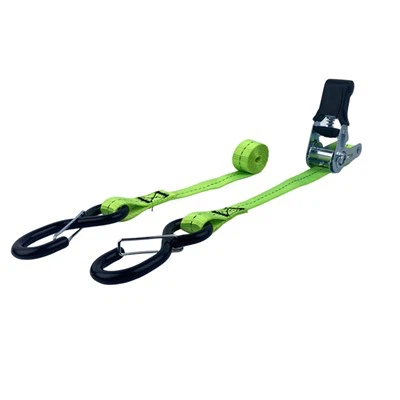
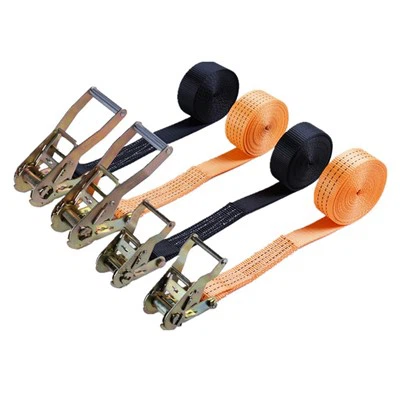
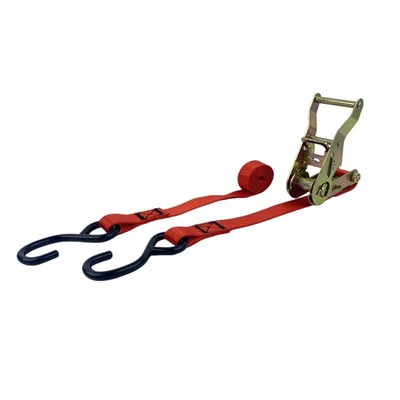
Heavy duty tie down hooks are essential tools in various industries, from transportation and logistics to construction and outdoor activities. These robust hooks are designed to secure heavy loads, ensuring safety and stability during transit or storage. As a supplier of heavy duty tie down hooks, I understand the importance of proper storage to maintain their quality and functionality. In this blog post, I will share the best practices for storing heavy duty tie down hooks to ensure they remain in optimal condition for as long as possible.
Understanding the Importance of Proper Storage
Before delving into the specific storage methods, it's crucial to understand why proper storage is so important for heavy duty tie down hooks. These hooks are often made from high-strength materials such as steel or alloy, which are susceptible to corrosion and damage if not stored correctly. Exposure to moisture, chemicals, and extreme temperatures can cause rust, oxidation, and other forms of deterioration, which can compromise the integrity of the hooks and reduce their load-bearing capacity.
In addition to preventing physical damage, proper storage also helps to organize your inventory and make it easier to locate the hooks you need when you need them. By keeping your hooks neatly arranged and easily accessible, you can save time and increase efficiency in your operations.
Choosing the Right Storage Location
The first step in storing heavy duty tie down hooks is to choose the right location. Ideally, you should store your hooks in a dry, clean, and well-ventilated area away from direct sunlight, moisture, and chemicals. A climate-controlled storage facility is the best option, as it can help to maintain a consistent temperature and humidity level, which is essential for preventing corrosion and other forms of damage.
If you don't have access to a climate-controlled storage facility, you can still store your hooks in a garage, shed, or other enclosed space. However, you will need to take extra precautions to protect them from the elements. For example, you can use a dehumidifier to reduce the humidity level in the storage area, and you can cover the hooks with a tarp or other protective covering to prevent them from getting wet.
Cleaning and Inspecting the Hooks Before Storage
Before storing your heavy duty tie down hooks, it's important to clean and inspect them to ensure they are in good condition. Use a wire brush or other cleaning tool to remove any dirt, debris, or rust from the hooks, and then wipe them down with a clean, dry cloth. You can also use a rust inhibitor or other protective coating to help prevent corrosion during storage.
Once you have cleaned the hooks, inspect them carefully for any signs of damage, such as cracks, bends, or worn-out parts. If you notice any damage, you should replace the hooks immediately to ensure the safety of your operations.
Organizing the Hooks for Storage
Once you have cleaned and inspected the hooks, it's time to organize them for storage. There are several different ways to organize your hooks, depending on the size and quantity of your inventory. One option is to use a hook rack or pegboard to hang the hooks in a neat and orderly manner. This makes it easy to see and access the hooks you need, and it also helps to prevent them from getting tangled or damaged.
Another option is to use a storage container or bin to store the hooks. You can label the containers or bins to indicate the type and size of the hooks they contain, which makes it easy to find the hooks you need when you need them. You can also use dividers or compartments within the containers or bins to keep the hooks separated and organized.
Protecting the Hooks During Storage
In addition to choosing the right storage location and organizing the hooks for storage, it's also important to protect them during storage. One way to do this is to use a protective coating or lubricant to prevent corrosion and rust. You can apply a thin layer of oil or grease to the hooks before storing them, which will help to create a barrier between the metal and the air, preventing oxidation and corrosion.


Another way to protect the hooks during storage is to use a storage bag or case. You can purchase storage bags or cases specifically designed for heavy duty tie down hooks, or you can use a generic storage bag or case that is large enough to hold the hooks. The storage bag or case will help to protect the hooks from dust, dirt, and other contaminants, and it will also make it easier to transport the hooks if you need to move them.
Regularly Inspecting the Hooks During Storage
Even if you have taken all the necessary precautions to store your heavy duty tie down hooks properly, it's still important to regularly inspect them during storage. You should check the hooks at least once a month to ensure they are in good condition and to look for any signs of damage or corrosion. If you notice any problems, you should take immediate action to address them, such as cleaning the hooks, applying a protective coating, or replacing the damaged parts.
Conclusion
Proper storage is essential for maintaining the quality and functionality of heavy duty tie down hooks. By choosing the right storage location, cleaning and inspecting the hooks before storage, organizing them for storage, protecting them during storage, and regularly inspecting them during storage, you can ensure that your hooks remain in optimal condition for as long as possible.
As a supplier of heavy duty tie down hooks, I am committed to providing my customers with high-quality products and excellent customer service. If you have any questions or concerns about storing your heavy duty tie down hooks, or if you are interested in purchasing our products, please don't hesitate to [contact us for procurement discussions]. We would be happy to help you find the right hooks for your needs and to provide you with any information or assistance you may need.
References
- "Best Practices for Storing Heavy Duty Equipment." Industrial Equipment Journal, Vol. 25, No. 3, 2020.
- "Corrosion Prevention and Control in Metal Storage." Materials Science Review, Vol. 15, No. 2, 2019.
- "Organizing Your Tool Storage for Maximum Efficiency." Toolbox Magazine, Vol. 30, No. 4, 2021.
For related products, you can check out our Short Tie Down Straps with Hooks, Vehicle Ratchet Straps, and 1 Inch Heavy Duty Ratchet Straps.