When it comes to securing heavy loads, choosing the right heavy-duty tie-down hooks is crucial. As a supplier of heavy-duty tie-down hooks, I understand the importance of this decision and the factors that need to be considered. In this blog post, I'll share some insights on how to choose the right heavy-duty tie-down hooks for your specific needs.
Understanding Your Requirements
The first step in choosing the right heavy-duty tie-down hooks is to understand your requirements. Consider the type of loads you'll be securing, the weight of the loads, and the environment in which the hooks will be used. For example, if you're securing heavy machinery on a flatbed trailer, you'll need hooks that can withstand high tension and are designed to work in outdoor conditions. On the other hand, if you're securing lighter loads in a warehouse, you may be able to use smaller, less heavy-duty hooks.
Load Capacity
One of the most important factors to consider when choosing heavy-duty tie-down hooks is the load capacity. The load capacity refers to the maximum weight that the hook can safely support. It's essential to choose hooks with a load capacity that exceeds the weight of the loads you'll be securing. This ensures that the hooks can handle the stress and tension without breaking or failing.
To determine the appropriate load capacity, you need to know the weight of the loads and the number of hooks you'll be using. Divide the total weight of the load by the number of hooks to get the average weight per hook. Then, choose hooks with a load capacity that is at least 20% higher than the average weight per hook. This provides a safety margin to account for any unexpected forces or movements during transportation.
Hook Design
The design of the heavy-duty tie-down hooks also plays a significant role in their performance and suitability for different applications. There are several types of hook designs available, each with its own advantages and disadvantages.
- J-Hooks: J-hooks are one of the most common types of tie-down hooks. They have a simple J-shaped design that allows them to easily hook onto a variety of anchor points, such as rails, bars, or loops. J-hooks are versatile and can be used in a wide range of applications. However, they may not be the best choice for securing loads that require a high level of stability or for use in situations where the hook may be subjected to lateral forces.
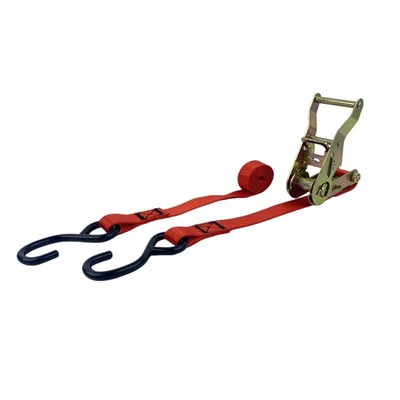
- S-Hooks: S-hooks are similar to J-hooks but have a more rounded shape. They are often used in applications where the hook needs to be easily attached and detached, such as in temporary tie-downs or for securing lightweight loads. S-hooks are also less likely to damage the anchor point compared to J-hooks. However, like J-hooks, they may not be suitable for heavy loads or for use in situations where the hook may be subjected to significant stress.
- Grab Hooks: Grab hooks have a unique design that allows them to quickly and securely grab onto an anchor point. They are typically used in applications where speed and ease of use are important, such as in emergency tie-downs or for securing loads in a hurry. Grab hooks are available in different sizes and styles, and some models feature a locking mechanism to prevent the hook from accidentally releasing.
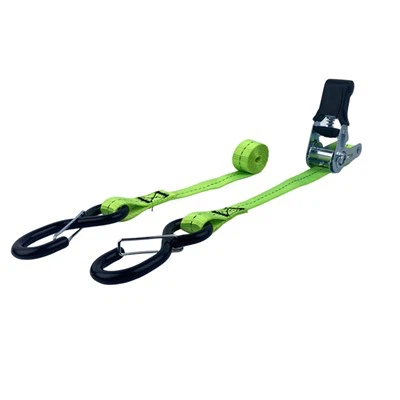
- Snap Hooks: Snap hooks are similar to grab hooks but have a spring-loaded mechanism that allows them to quickly snap onto an anchor point. They are commonly used in applications where the hook needs to be easily attached and detached, such as in camping, boating, or for securing equipment. Snap hooks are available in different sizes and strengths, and some models feature a locking mechanism for added security.
Material and Construction
The material and construction of the heavy-duty tie-down hooks are also important considerations. The hooks need to be made from high-quality materials that can withstand the stress and tension of securing heavy loads. Common materials used for tie-down hooks include steel, alloy steel, and stainless steel.
- Steel: Steel is a popular choice for tie-down hooks because it is strong, durable, and relatively inexpensive. However, steel hooks may be prone to rust and corrosion, especially if they are used in outdoor or wet environments. To prevent rust and corrosion, steel hooks can be coated with a protective finish, such as zinc plating or powder coating.
- Alloy Steel: Alloy steel is a stronger and more durable alternative to regular steel. It contains additional elements, such as chromium, nickel, and molybdenum, which enhance its strength and resistance to corrosion. Alloy steel hooks are often used in heavy-duty applications where high strength and reliability are required.
- Stainless Steel: Stainless steel is a corrosion-resistant material that is ideal for use in outdoor or wet environments. It is also strong and durable, making it a popular choice for tie-down hooks. However, stainless steel hooks are generally more expensive than steel or alloy steel hooks.
In addition to the material, the construction of the hooks also affects their performance and durability. Look for hooks that are forged or machined from solid stock rather than being made from stamped or welded parts. Forged or machined hooks are generally stronger and more reliable because they have a more uniform grain structure and fewer weak points.


Compatibility with Tie-Down Straps
Another important factor to consider when choosing heavy-duty tie-down hooks is their compatibility with tie-down straps. The hooks need to be able to securely attach to the straps and provide a reliable connection. Make sure that the hooks you choose are designed to work with the type and size of tie-down straps you'll be using.
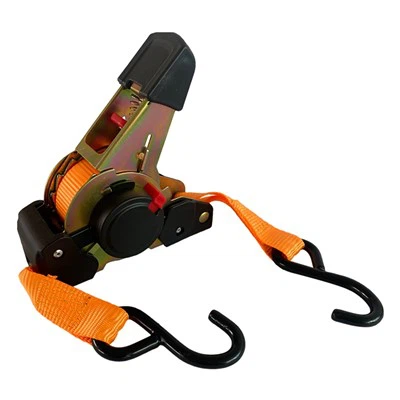
- Retractable Tie Down Strap: If you're using a Retractable Tie Down Strap, look for hooks that have a compatible attachment mechanism. Some retractable tie-down straps feature a built-in hook, while others require a separate hook to be attached. Make sure that the hook you choose can be easily attached and detached from the strap and that it provides a secure connection.
- Best Utv Tie Down Straps: For securing UTVs or other off-road vehicles, you'll need hooks that are specifically designed for use with Best Utv Tie Down Straps. These hooks typically have a larger size and a stronger load capacity to handle the weight and movement of the vehicle. Look for hooks that are compatible with the type of tie-down straps you'll be using and that can securely attach to the vehicle's frame or other anchor points.
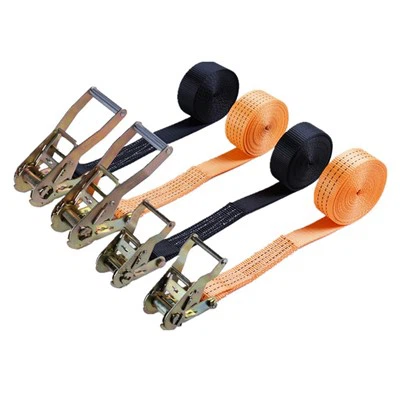
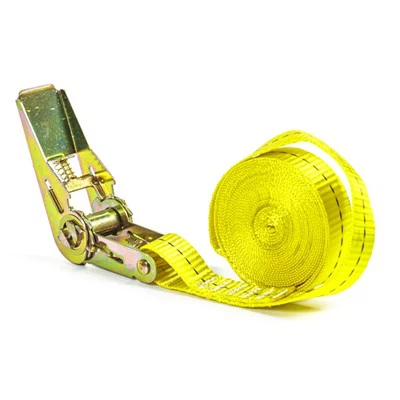
- High Quality Ratchet Straps: When using High Quality Ratchet Straps, make sure that the hooks you choose are compatible with the ratchet mechanism. The hooks need to be able to fit securely into the ratchet's end fitting and provide a reliable connection. Some ratchet straps come with pre-attached hooks, while others require you to choose and attach the hooks separately.
Additional Features
In addition to the factors mentioned above, there are several additional features that you may want to consider when choosing heavy-duty tie-down hooks. These features can enhance the performance, safety, and convenience of the hooks.
- Locking Mechanism: Some heavy-duty tie-down hooks feature a locking mechanism to prevent the hook from accidentally releasing. This is especially important in applications where the hook may be subjected to vibration, movement, or other forces that could cause it to come loose. Locking mechanisms can include a spring-loaded latch, a twist-lock, or a pin-and-collar system.
- Swivel Design: Hooks with a swivel design allow the hook to rotate freely, which can be useful in applications where the load may move or shift during transportation. A swivel hook can help to prevent the tie-down strap from becoming twisted or tangled, which can reduce the effectiveness of the tie-down and increase the risk of the load coming loose.
- Anti-Slip Coating: Some hooks are coated with an anti-slip material to provide a better grip on the anchor point. This can be especially useful in applications where the anchor point is smooth or slippery, such as on a metal rail or a plastic surface. An anti-slip coating can help to prevent the hook from sliding or shifting, which can improve the stability and security of the tie-down.
Conclusion
Choosing the right heavy-duty tie-down hooks is essential for ensuring the safe and secure transportation of heavy loads. By considering factors such as load capacity, hook design, material and construction, compatibility with tie-down straps, and additional features, you can select hooks that are suitable for your specific needs.
As a supplier of heavy-duty tie-down hooks, I'm committed to providing high-quality products that meet the highest standards of safety and performance. If you have any questions or need assistance in choosing the right hooks for your application, please don't hesitate to contact me. I'm here to help you make the best decision and ensure that your loads are safely and securely tied down.
References
- "Tie Down Straps and Hooks: A Guide to Choosing the Right Ones." Industrial Safety & Hygiene News, [Date of Publication].
- "Heavy Duty Tie Down Hooks: What You Need to Know." Equipment Today, [Date of Publication].
- "How to Choose the Right Tie Down Hooks for Your Application." Trailer Life, [Date of Publication].