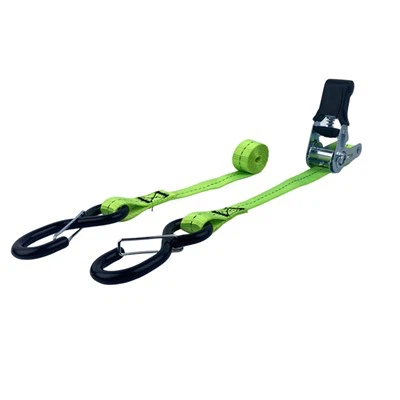
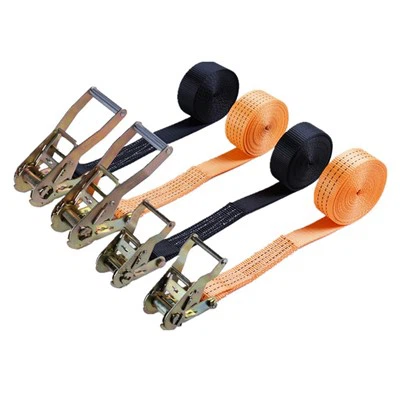
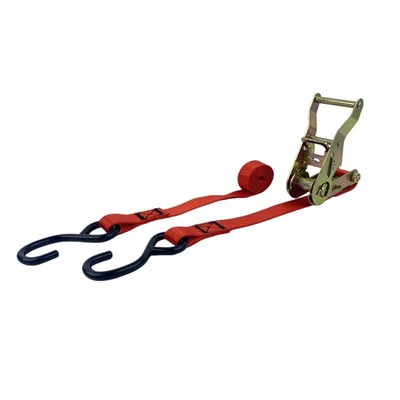
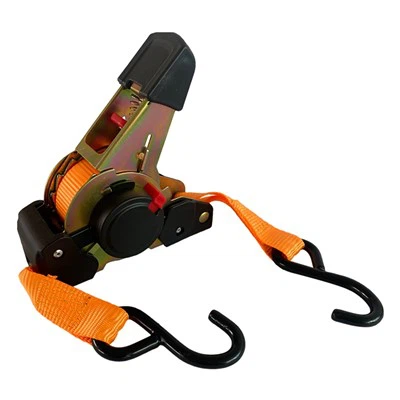
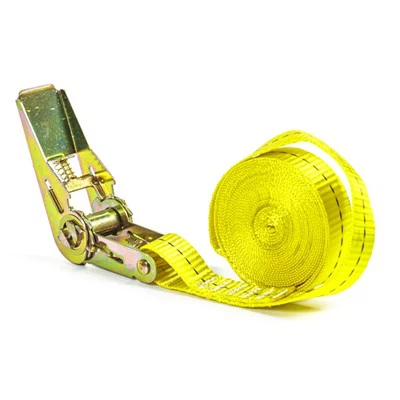
As a supplier of ratchet straps and tie - downs, I've had my fair share of experiences with these handy tools. They're super useful in securing cargo for transportation, whether it's on a truck, trailer, or even a motorcycle. But like any product, they come with their limitations. Let's dive right in and take a look at what those limitations are.
1. Limited Load Capacity
One of the most obvious limitations of ratchet straps and tie - downs is their load capacity. Each strap is rated for a specific amount of weight it can safely hold. If you try to secure a load that exceeds this capacity, the strap is likely to break. For example, if you have a small ratchet strap rated for 500 pounds and you try to use it to secure a 1000 - pound piece of machinery, it's just asking for trouble.
This limitation can be a real pain, especially when you're dealing with heavy or oversized cargo. You might have to use multiple straps in parallel to distribute the load evenly, but even then, you need to make sure that the combined capacity of the straps is sufficient. And if you miscalculate, you could end up with a dangerous situation on the road.
2. Wear and Tear
Ratchet straps and tie - downs are constantly exposed to harsh conditions. They're used outdoors, often in extreme weather, and they rub against rough surfaces. Over time, this can cause significant wear and tear. The webbing can fray, the ratchet mechanism can get stuck or break, and the hooks can become bent or damaged.
When a strap shows signs of wear, it's no longer as reliable. A frayed webbing might break under stress, and a malfunctioning ratchet won't be able to hold the tension properly. Regular inspection is crucial, but even with the best care, these straps have a limited lifespan. You can't just keep using them indefinitely, and replacing them can be costly, especially if you have a large number of straps in your inventory.
3. Limited Flexibility
These straps are designed for specific applications, and they may not be suitable for every type of cargo. For instance, if you have an oddly - shaped item, it can be challenging to find the right way to secure it with a ratchet strap. The hooks might not fit properly, or the strap might not be able to wrap around the object in a way that provides a secure hold.
Also, ratchet straps are typically straight, which means they might not be the best choice for securing items with curves or irregular shapes. In such cases, you might need to look for alternative solutions, like Rope Tie Down Straps, which can be more flexible and adaptable.
4. Environmental Sensitivity
The performance of ratchet straps and tie - downs can be affected by the environment. Extreme heat can cause the webbing to weaken and lose its strength. On the other hand, extreme cold can make the webbing brittle, increasing the risk of breakage.
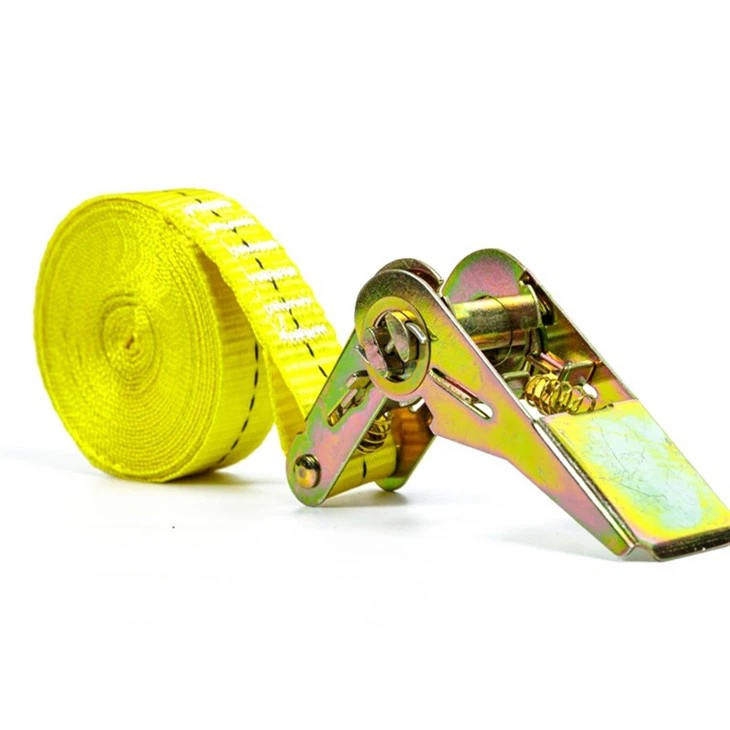

Moisture is another enemy. If the straps get wet and are not dried properly, they can rust (in the case of metal components) and develop mold or mildew. This not only affects the appearance but also the integrity of the strap. For example, if you're using these straps in a marine environment, you need to be extra careful about corrosion and saltwater damage.
5. Compatibility Issues
Not all ratchet straps and tie - downs are compatible with all types of vehicles or trailers. The hooks might not fit the tie - down points on your truck or trailer. For example, some trailers have small, specialized tie - down loops that require specific types of hooks. If you try to use a strap with the wrong hook, it won't attach securely, and your cargo could come loose during transit.
Also, different industries have different requirements for securing cargo. For example, the transportation of motorcycles has its own set of standards. You need Motorcycle Cargo Straps that are specifically designed to hold a motorcycle in place without causing damage to the bike. Using a regular ratchet strap might not provide the right level of security or protection.
6. Length Limitations
Sometimes, you might need to secure a long or large item, and the standard length of ratchet straps might not be sufficient. For these situations, you would need Extra Long Ratchet Straps. But even with extra - long straps, there are limitations. Longer straps can be more difficult to manage and may require more effort to tighten.
Moreover, if the strap is too long, it can create slack, which is a safety hazard. The slack can cause the cargo to shift during transit, increasing the risk of damage to the cargo and the vehicle. So, you need to carefully consider the length of the strap based on the size of the cargo you're securing.
7. Installation Complexity
While ratchet straps are generally easy to use, there is still a certain level of skill required for proper installation. If the strap is not installed correctly, it won't be able to provide a secure hold. For example, if the ratchet is not engaged properly, the strap might come loose. And if the strap is not routed correctly around the cargo, it can create uneven tension, which can lead to the cargo shifting.
Training your employees on how to install these straps correctly is essential, but it still takes time and effort. And even with training, there's always a risk of human error, which can compromise the safety of the cargo.
Conclusion
Despite these limitations, ratchet straps and tie - downs are still an indispensable tool for securing cargo. They offer a relatively simple and cost - effective way to keep your goods safe during transportation. However, it's important to be aware of their limitations so that you can take the necessary precautions.
If you're in the market for high - quality ratchet straps and tie - downs, or if you have any questions about our products, don't hesitate to reach out. We're here to help you find the right solutions for your cargo - securing needs. Whether you need to replace worn - out straps or are looking for specialized products, we can provide you with the best options.
References
- General knowledge from years of experience in the ratchet strap and tie - down industry.
- Industry standards and best practices for cargo securing.