As a seasoned supplier of Ratchet Tie Downs, I've witnessed firsthand the importance of correctly attaching these essential tools to anchor points. Whether you're securing cargo on a trailer, a truck bed, or any other transportation platform, the proper attachment method can make all the difference in ensuring a safe and secure journey. In this blog post, I'll share some valuable insights and best practices on how to attach ratchet tie downs to an anchor point effectively.
Understanding Ratchet Tie Downs
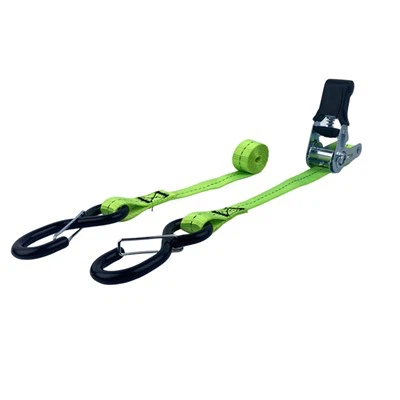
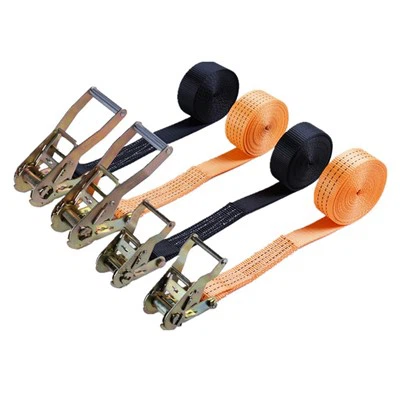
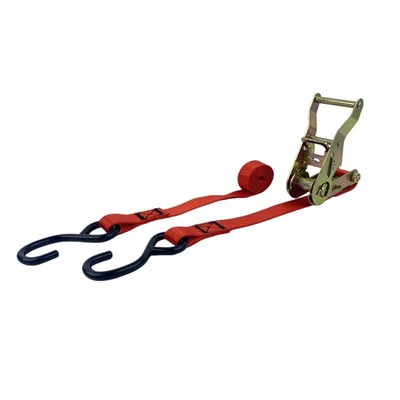
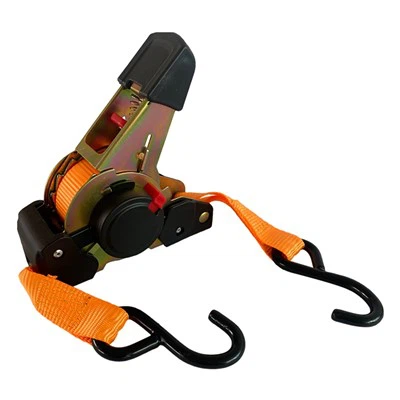
Before delving into the attachment process, it's crucial to have a basic understanding of what ratchet tie downs are and how they work. Ratchet tie downs are versatile fastening devices designed to secure various types of cargo. They consist of a strap, a ratchet mechanism, and end fittings. The ratchet mechanism allows you to tighten the strap around the cargo, creating a strong and secure hold.
Choosing the Right Anchor Point
The first step in attaching ratchet tie downs is selecting the appropriate anchor point. Anchor points are the locations where you'll attach the end fittings of the tie downs. They should be strong, stable, and capable of withstanding the tension applied by the tie downs. Here are some common types of anchor points and considerations for each:
- Trailer D-Rings: D-rings are one of the most popular anchor points for trailers. They are typically welded or bolted to the trailer frame and provide a secure attachment point for the tie downs. When using D-rings, make sure they are rated for the weight and type of cargo you're securing.
- Truck Bed Tie-Down Anchors: Many trucks come equipped with tie-down anchors in the bed. These anchors are designed to provide a convenient and secure way to attach ratchet tie downs. Check the manufacturer's specifications to ensure the anchors can handle the load.
- Floor Mounted Anchors: In some cases, you may need to use floor-mounted anchors, especially if you're securing cargo in a van or a storage unit. These anchors are typically bolted to the floor and provide a stable attachment point.
- Custom Anchor Points: If you don't have access to standard anchor points, you may need to create custom anchor points. This could involve using heavy-duty bolts, brackets, or other hardware to secure the tie downs. Make sure the custom anchor points are properly installed and rated for the intended use.
Preparing the Ratchet Tie Downs
Once you've selected the anchor points, it's time to prepare the ratchet tie downs for attachment. Here's what you need to do:


- Inspect the Tie Downs: Before using the tie downs, carefully inspect them for any signs of damage or wear. Check the strap for cuts, frays, or other defects, and make sure the ratchet mechanism operates smoothly. If you notice any issues, replace the tie downs immediately.
- Adjust the Strap Length: Most ratchet tie downs allow you to adjust the length of the strap to fit your specific needs. Measure the distance between the anchor point and the cargo, and adjust the strap accordingly. Leave some extra length to allow for tightening.
- Thread the Strap Through the Ratchet: To attach the strap to the ratchet, thread it through the ratchet mechanism according to the manufacturer's instructions. Make sure the strap is properly seated and aligned to ensure smooth operation.
Attaching the Ratchet Tie Downs to the Anchor Point
Now that the tie downs are prepared, it's time to attach them to the anchor point. Here's a step-by-step guide on how to do it:
- Open the Ratchet: Release the tension on the ratchet by pulling the release lever. This will allow you to feed the strap through the ratchet and adjust the length.
- Attach the End Fitting to the Anchor Point: Depending on the type of end fitting on the tie down, you may need to use a hook, a snap, or another type of connector to attach it to the anchor point. Make sure the connection is secure and the end fitting is properly seated.
- Feed the Strap Through the Cargo: Once the end fitting is attached to the anchor point, feed the strap through the cargo. Make sure the strap is positioned in a way that provides maximum stability and support.
- Thread the Strap Through the Ratchet Again: After feeding the strap through the cargo, thread it back through the ratchet mechanism. Make sure the strap is properly aligned and seated in the ratchet.
- Tighten the Ratchet: To tighten the ratchet, pull the handle up and down in a pumping motion. This will gradually increase the tension on the strap and secure the cargo. Keep tightening the ratchet until the strap is snug and the cargo is firmly secured.
- Check the Tension: Once the ratchet is tightened, check the tension on the strap to make sure it's sufficient. You should be able to apply some pressure to the cargo without it moving or shifting. If the tension is too loose, continue tightening the ratchet until the cargo is secure.
Additional Tips and Considerations
Here are some additional tips and considerations to keep in mind when attaching ratchet tie downs to an anchor point:
- Use Multiple Tie Downs: For larger or heavier loads, it's recommended to use multiple ratchet tie downs to distribute the tension evenly. This will help prevent the cargo from shifting or moving during transport.
- Cross the Straps: When using multiple tie downs, cross the straps to create an X pattern. This will provide additional stability and prevent the cargo from twisting or turning.
- Protect the Cargo: To prevent damage to the cargo, use padding or protective covers between the strap and the cargo. This will help prevent scratches, dents, or other damage caused by the strap.
- Inspect the Tie Downs Regularly: During transport, it's important to inspect the tie downs regularly to make sure they're still tight and secure. Check for any signs of damage or wear, and make any necessary adjustments or replacements.
- Follow the Manufacturer's Instructions: Always follow the manufacturer's instructions when using ratchet tie downs. This will ensure that you're using the tie downs correctly and safely.
Conclusion
Attaching ratchet tie downs to an anchor point is a critical step in securing cargo during transport. By following the proper procedures and best practices outlined in this blog post, you can ensure that your cargo is safe and secure. Remember to choose the right anchor point, prepare the tie downs properly, and attach them securely to the anchor point. Additionally, use multiple tie downs, cross the straps, protect the cargo, and inspect the tie downs regularly. If you have any questions or need further assistance, don't hesitate to [contact us] for more information.
We offer a wide range of high-quality ratchet tie downs, including Rope Tie Down Straps, Utv Tie Downs For Trailer, and Load Binder Straps. Our products are designed to meet the highest standards of quality and performance, and we're committed to providing our customers with the best possible service. If you're in the market for ratchet tie downs, we invite you to contact us to discuss your specific needs and requirements. We look forward to working with you!
References
- "Ratchet Tie Downs: A Comprehensive Guide." Tie Down Supply, Inc.
- "How to Use Ratchet Tie Downs." eHow.
- "Securing Cargo with Ratchet Tie Downs." The Spruce.